
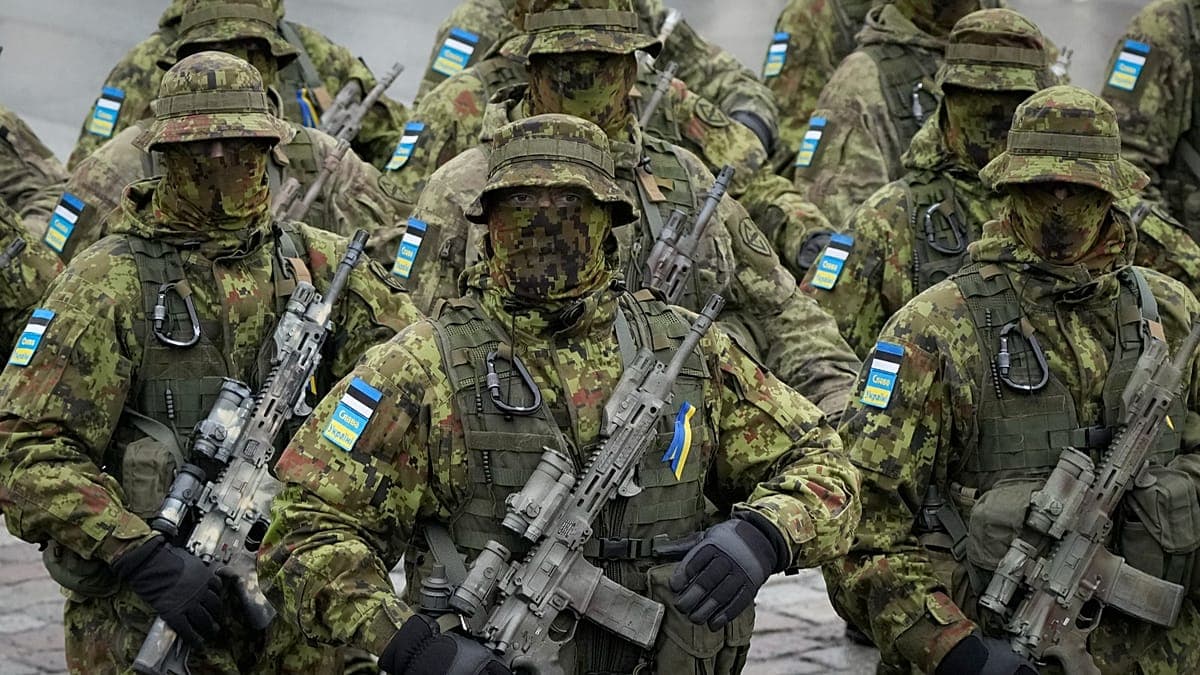
A leaked draft of the European Commission's work program warns that the European Union's goal of achieving military readiness by 2030 remains at risk despite record defense spending.
Why it matters
- Defense budgets across the EU reached 418 billion euros in 2025, yet member states have not converted this spending into forces capable of sustained field operations and effective joint action.
- The United States' decision to reduce its military presence and critical support capabilities in Europe is widening a capability gap; filling it with strategic support infrastructure could cost up to 500 billion euros.
- Intelligence assessments indicate Russia may test NATO around 2030, while hybrid threats such as drone incursions and sabotage attempts are rising; only one-third of the EU's counter-drone programs are expected to deliver results by 2030.
The Commission is proposing a new European instrument to support the rearmament of all 27 member states, covering strategic airlift, aerial refueling, space, and cyber defense. A European Security Emergency Protocol, likened by Commission President Ursula von der Leyen to NATO Article 4, and the creation of a European Security Council are also on the agenda, though the protocol has not yet secured unanimous backing from member states. While support for Ukraine continues, one billion euros of a 90 billion euro loan facility will be redirected to EU programs focused on air and missile defense and ammunition.
Why it matters for Turkey
As a NATO ally and defense industrial partner of several EU states, Turkey faces a shifting European security environment in which the EU is seeking greater strategic autonomy and reduced reliance on U.S. security guarantees. Ankara's own defense exports, joint production talks, and regional security calculations will be affected by how quickly Brussels closes capability gaps in air and missile defense, drones, and strategic mobility.
Source: tr.euronews.com