
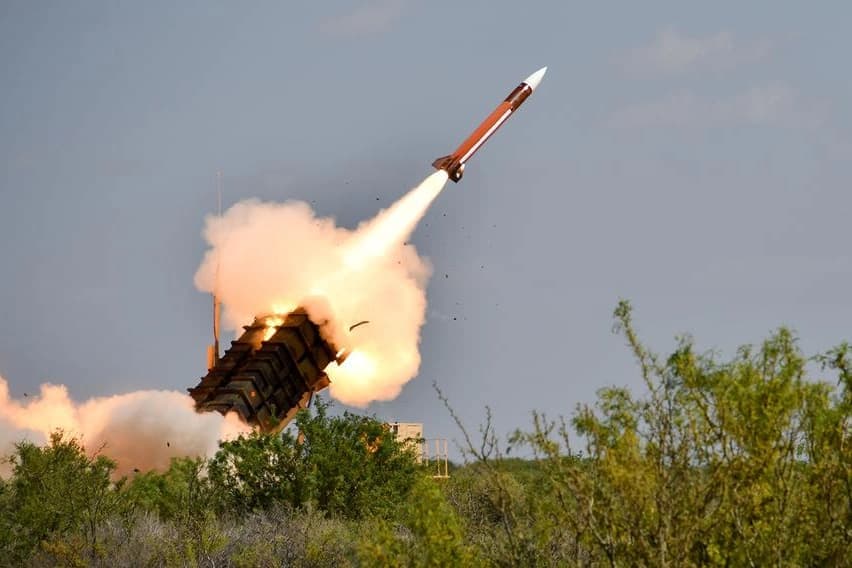
Lockheed Martin is exploring overseas production of Patriot PAC-3 missiles in response to a tripling of global demand for the air defense system. The company aims to scale annual production capacity from approximately 600 units to 2,000 by the end of 2030, driven by record deliveries in 2025 and a over 60% increase in output across the past two years.
Why it matters
- Dan Tenney confirmed discussions involve multiple allied countries, though no production agreements have been signed yet.
- Lockheed Martin delivered a record 620 PAC-3 Missiles Segment Enhancement (MSE) units in 2025, marking a significant production ramp-up.
- The company plans to invest up to $9 billion by 2030 to expand missile production, supply chains, and manufacturing infrastructure, with ongoing work at no fewer than 20 facilities across the United States.
The PAC-3 MSE is a hit-to-kill interceptor designed to destroy ballistic and cruise missiles as well as advanced aircraft through direct impact. While the specific countries involved in the talks have not been disclosed, establishing offshore production would require certification, technology transfer, and security approvals. Domestic U.S. production lines are expected to continue expanding alongside any international efforts.
This move is significant for Turkey as a long-term Patriot system operator and NATO ally. Localized or allied-nation production could improve supply chain resilience, reduce delivery lead times, and enhance interoperability among NATO forces. For Turkey, which relies on Patriot batteries for layered air defense, a more distributed manufacturing base strengthens alliance-wide deterrence and ensures sustained access to critical air defense munitions amid growing regional security pressures.
Source: Armyrecognition