
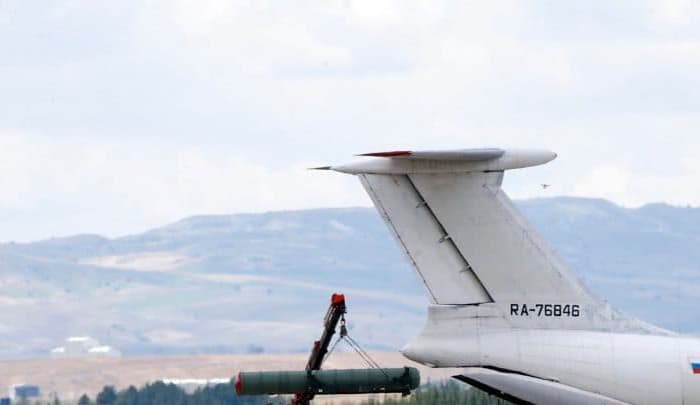
Russian Foreign Minister Sergey Lavrov said Turkey can only transfer its S-400 air defense systems to another country with Moscow's explicit approval and a guarantee that the systems will not be transferred to Ukraine.
Why it matters
- Lavrov cited multiple cases where weapons sold to European nations with non-re-export assurances were later sent to Ukraine, which Russia says will not be tolerated.
- Russia's position is not a blanket refusal but a conditional approval requiring legal and political safeguards.
- The S-400s' fate is directly linked to Turkey's ongoing tensions with the U.S. over CAATSA sanctions and exclusion from the F-35 program.
Lavrov stated Russia is not currently assessing transfer options and will wait for a formal request from Ankara. Kremlin spokesperson Dmitry Peskov confirmed active communication with Turkey, calling the matter 'super sensitive.' He also emphasized that, since September 2024, transferring S-400s without Russia's end-user certificate approval is legally impossible under Russian law.
Why it matters for Turkey
For Turkey, the S-400 issue remains a key lever in its strained relations with NATO and the U.S. A transfer to a third party—conditional on Russian approval—could ease pressure from Washington and potentially create space for re-engagement with Western defense programs. However, without a clear Turkish strategy and Moscow's conditional consent, the process remains uncertain. Analysts should watch this closely, as any shift in S-400 status could significantly affect Turkey's defense autonomy and its balancing act between East and West.
Source: SavunmaSanayiST.com