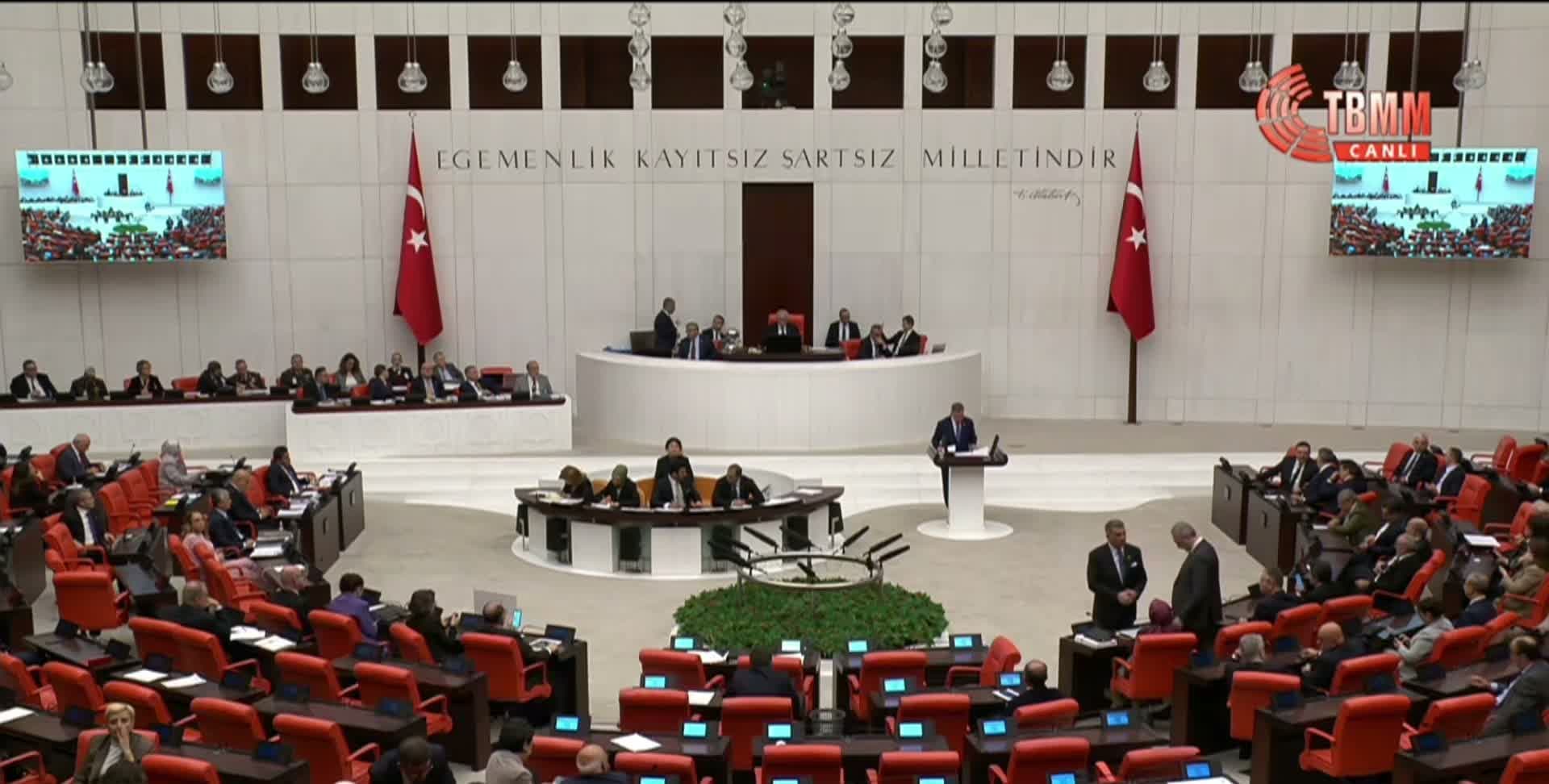
Turkey's Grand National Assembly (TBMM) ratified the Mecca Agreement on Joint Defense, a trilateral pact signed on August 7, 2026, between Turkey, Saudi Arabia, and Pakistan. The agreement entered into force following parliamentary approval.
Why it matters
- Opposition lawmakers warned the pact could legitimize Saudi Arabia's policy toward the Houthis and potential normalization with Israel.
- Critics argued that Turkey's lack of strategic autonomy and democratic deficits hinder an independent defense policy.
- The deal positions Turkey's role in regional Houthi-Saudi tensions and the Israel normalization process.
During the debate, IYI Party Deputy Group Chairman Turhan Çömez asked the government whether Ankara would follow the same path if Saudi Arabia signs the Abraham Accords with Israel. New Path Party Deputy Group Chairman Selçuk Özdağ accused the government of failing to aid Palestine while serving Israel through trade, describing the agreement as Houthi-oriented and claiming Turkey is being treated as a mercenary to benefit from Pakistan's nuclear power and Saudi petrodollars.
Why it matters for Turkey
The Presidency of Defense Industries (SSB) oversees Turkey's defense procurement and industrial policy, while the General Staff of the Turkish Armed Forces (TSKGV) shapes military doctrine. For foreign analysts, this ratification signals Ankara's intent to deepen military-industrial ties with Riyadh and Islamabad, but it also exposes internal political friction over how Turkey balances Gulf partnerships, its stance on Israel, and its strategic independence in an unstable Middle East.
Source: ankahaber.net