Turkish Navy Showcases Indigenous Weapons During Denizkurdu-II/2026 Exercise
 Burak Seletuz /
15.06.2026 16:55
Burak Seletuz /
15.06.2026 16:55

Turkish Navy Showcases Indigenous Weapons During Denizkurdu-II/2026 Exercise Cem Devrim Yaylalı
The Turkish Navy demonstrated a broad range of indigenous weapons systems and operational capabilities during the distinguished visitors' day of the Denizkurdu-II/2026 naval exercise, highlighting advances in underwater warfare, long-range strike, air defence, and unmanned systems. Conducted between 4 and 14 June 2026, Denizkurdu-II/2026 took place across the Black Sea, Aegean Sea, and Eastern Mediterranean under the coordination of the Turkish Fleet Command. The exercise involved 125 naval vessels, 60 aircraft, and approximately 18,000 personnel.
According to the Turkish Navy, the exercise was designed to evaluate command-and-control effectiveness, improve the decision-making capabilities of headquarters personnel and operational units in a multi-threat environment, and test interoperability procedures with other branches of the Turkish Armed Forces.
The naval component included the amphibious assault ship TCG Anadolu, 11 frigates, four corvettes, 14 fast attack craft, 18 patrol vessels, six mine countermeasures vessels, and nine submarines. Additional participants included four tank landing ships, 15 landing craft, one unmanned surface vessel (USV), and 32 auxiliary vessels. Security around the exercise area was provided by one Coast Guard ship and six Coast Guard boats.
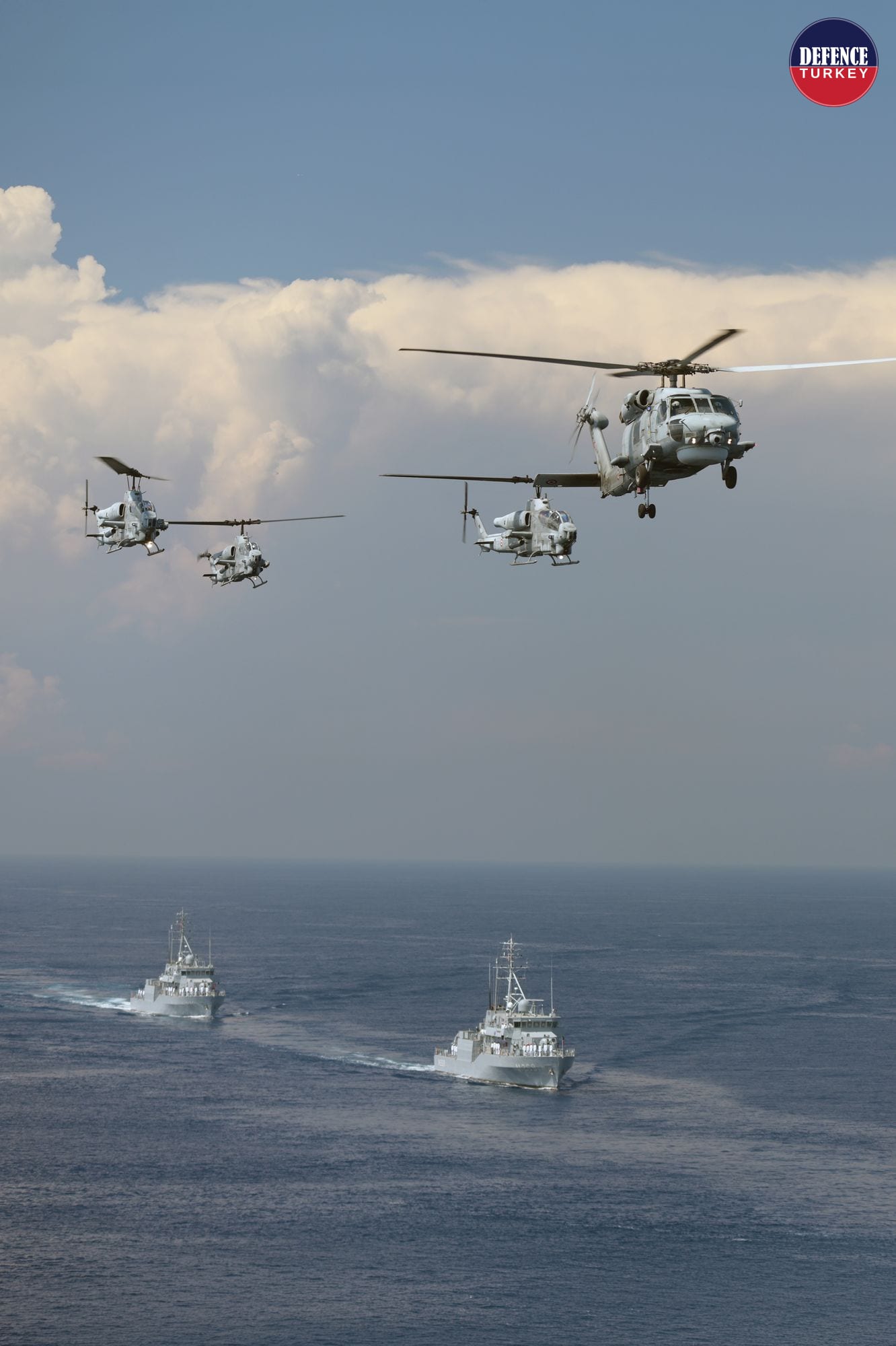
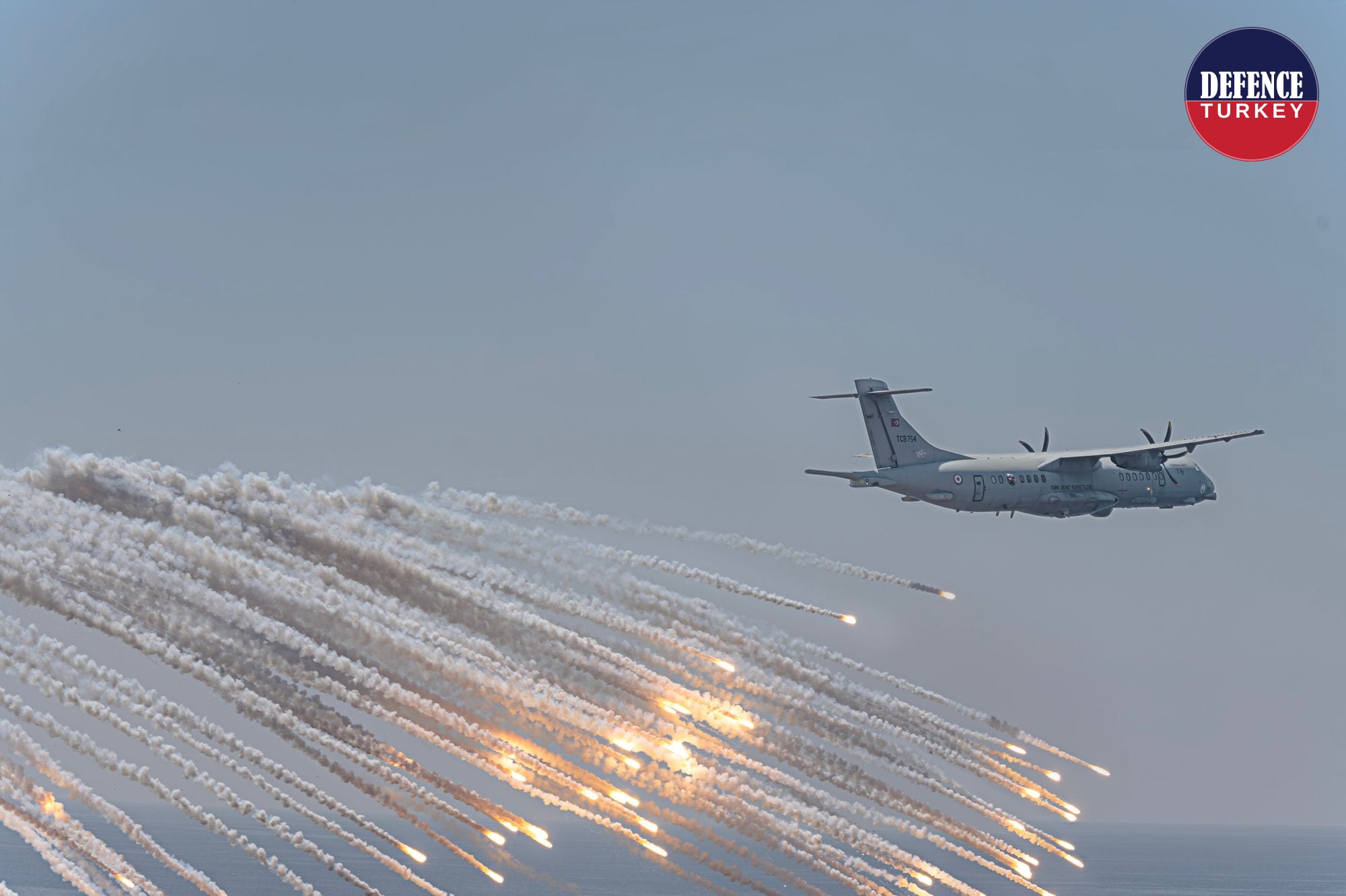
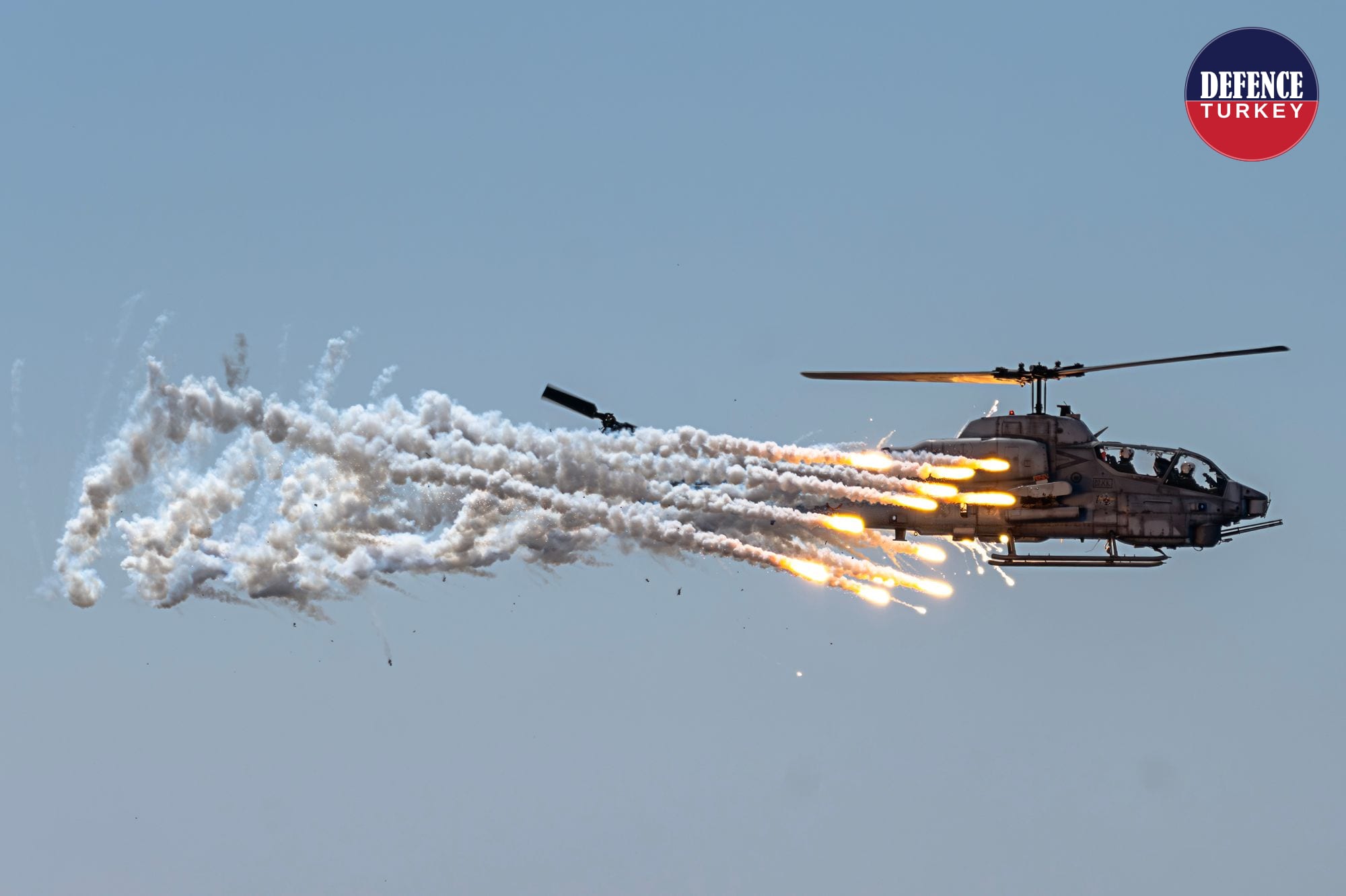
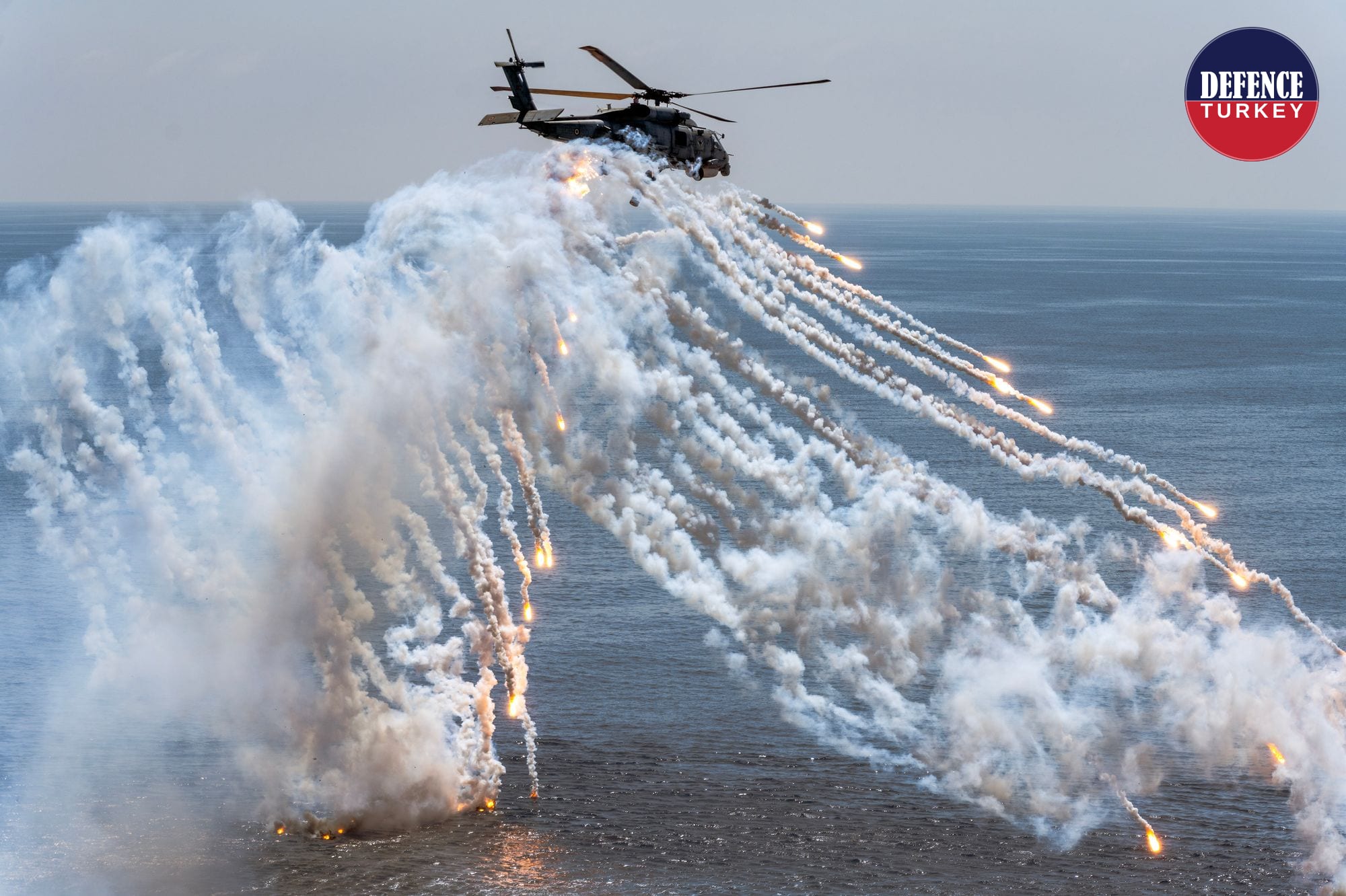
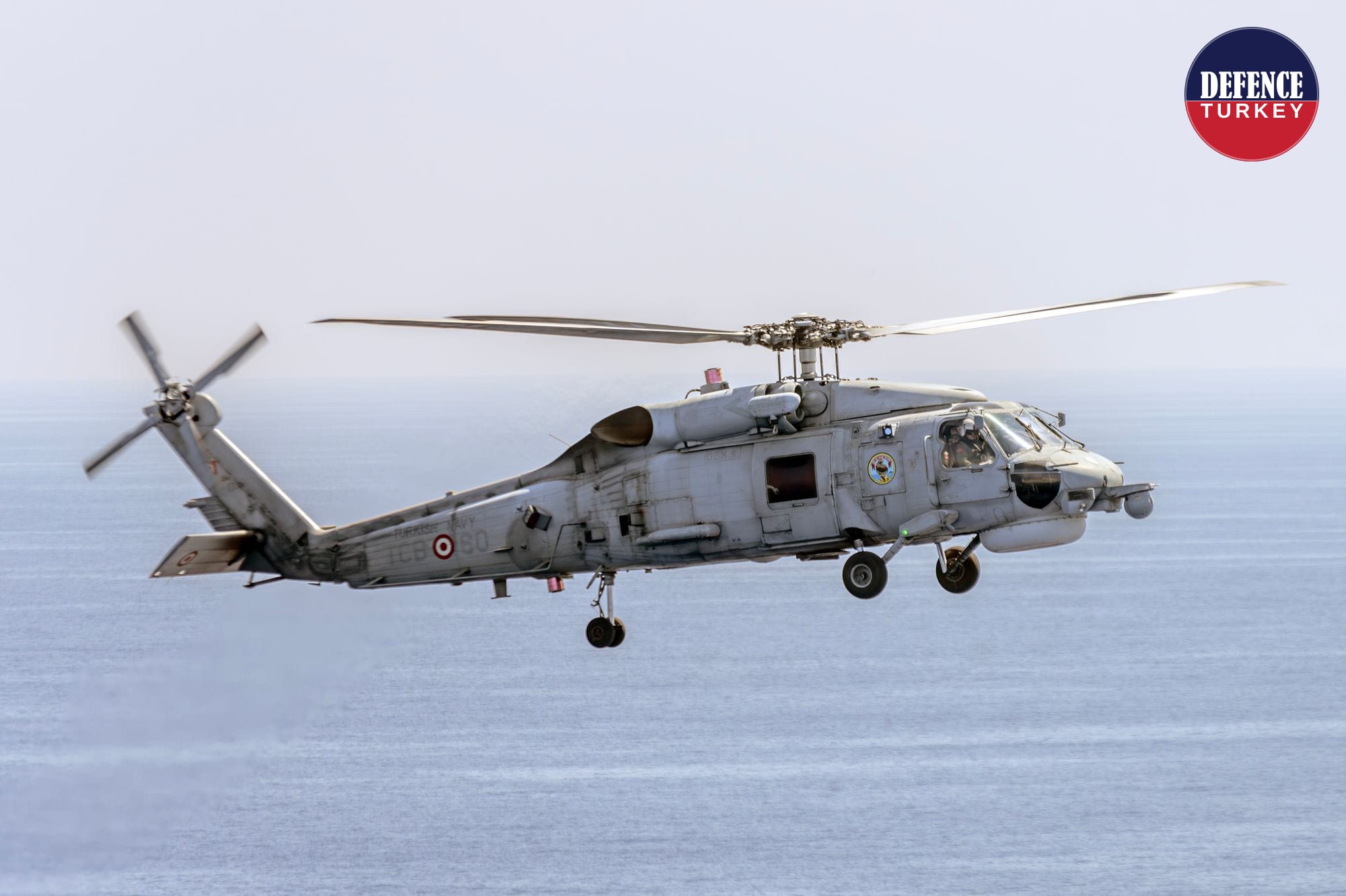
Naval aviation contributed five maritime patrol and anti-submarine warfare aircraft, three utility aircraft, eight SH-70 Seahawk helicopters, two AB-212 helicopters, three AH-1W Super Cobra attack helicopters, four utility helicopters, and 23 Armed UAVs. The Turkish Air Force supported the exercise with ten combat aircraft, two airborne early warning and control (AEW&C) aircraft, two electronic calibration aircraft, and five target-towing aircraft.
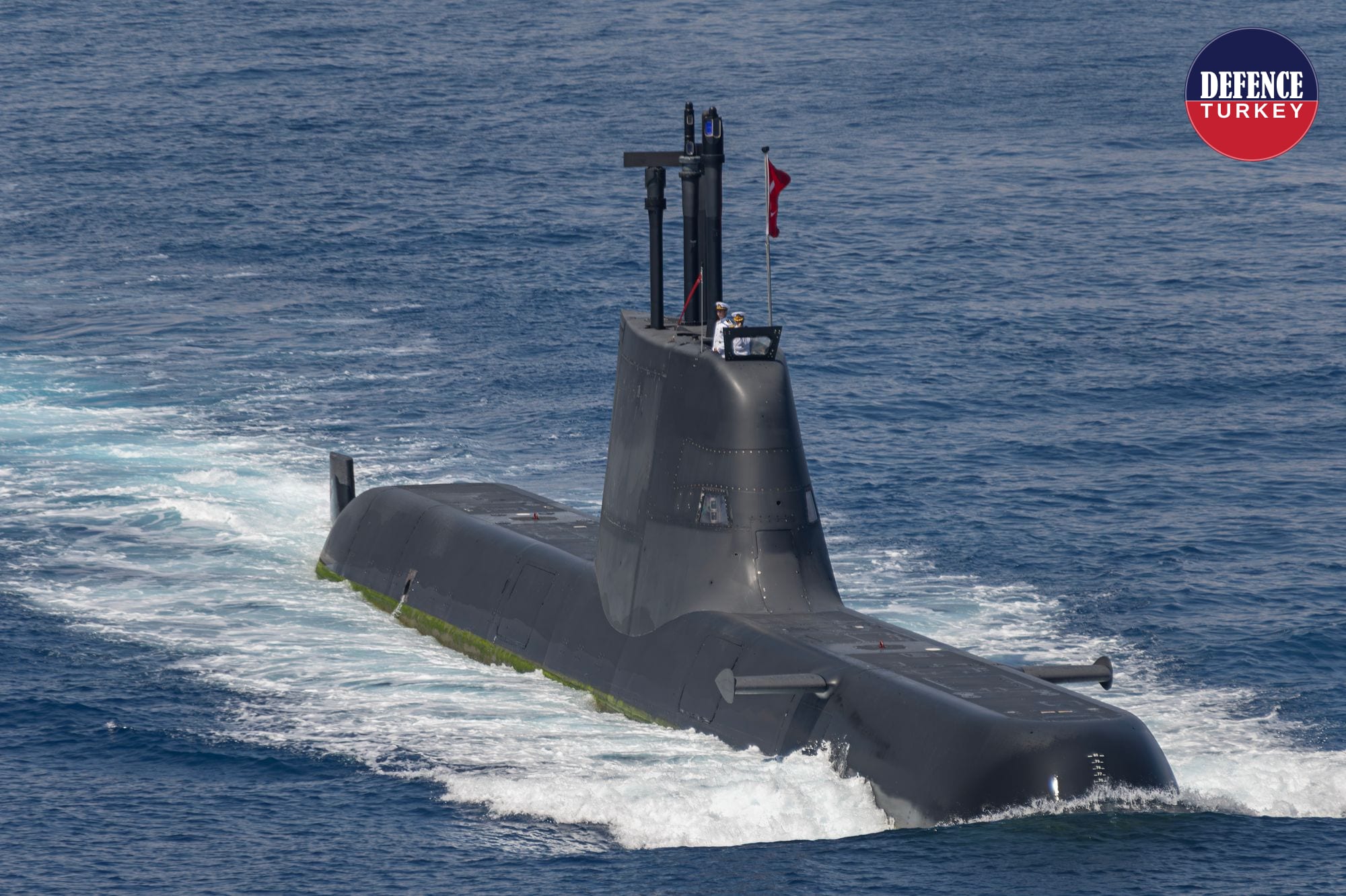
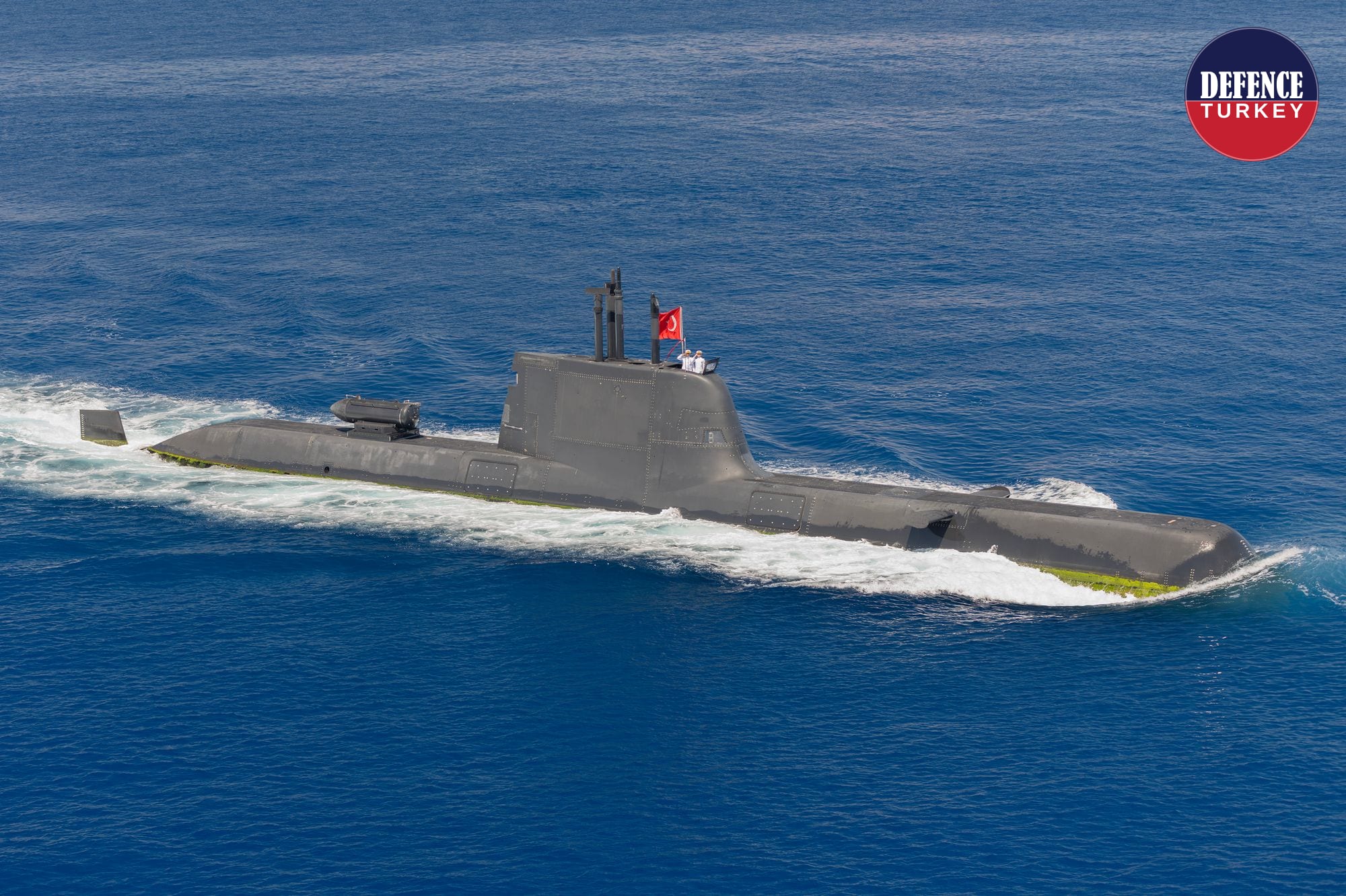
The live-fire phase featured several missile and torpedo engagements against decommissioned vessels and aerial targets. The most notable demonstration involved the launch of an Akya heavyweight torpedo from the Preveze (Type 209/1400) class submarine TCG Sakarya against the decommissioned Rhein-class training ship ex-Sokullu Mehmet Paşa. According to the Turkish Navy, the submarine fired from a distance of approximately five nautical miles. The torpedo struck the target, breaking its keel and sinking the vessel.
Surface strike capabilities were demonstrated by the Ada (MILGEM) class corvette TCG Burgazada, which launched a Roketsan-developed Atmaca anti-ship missile against the retired Project 1454-class rescue tug ex-Akbaş. The target was located approximately 102 km (55 nautical miles) from the firing ship. Video footage released by the Ministry of National Defence showed the missile approaching at sea-skimming altitude before striking the vessel from astern.
Another retired tug, ex-Söndüren 2, served as a target for a series of air-launched weapons. The vessel was engaged by a Penguin Mk 2 Mod 7 anti-ship missile and a Roketsan Temren missile, both launched from SH-70B Seahawk helicopters. It was also struck by a MAM-T precision-guided munition fired from an Aksungur unmanned aerial vehicle.
The exercise also showcased the Turkish Navy's growing focus on unmanned systems. A Bayraktar TB3 unmanned combat aerial vehicle launched from TCG Anadolu engaged and sank an Aselsan-developed Albatros unmanned surface vessel that was simulating a kamikaze attack against the amphibious assault ship. The target was destroyed using a MAM-L precision-guided munition.
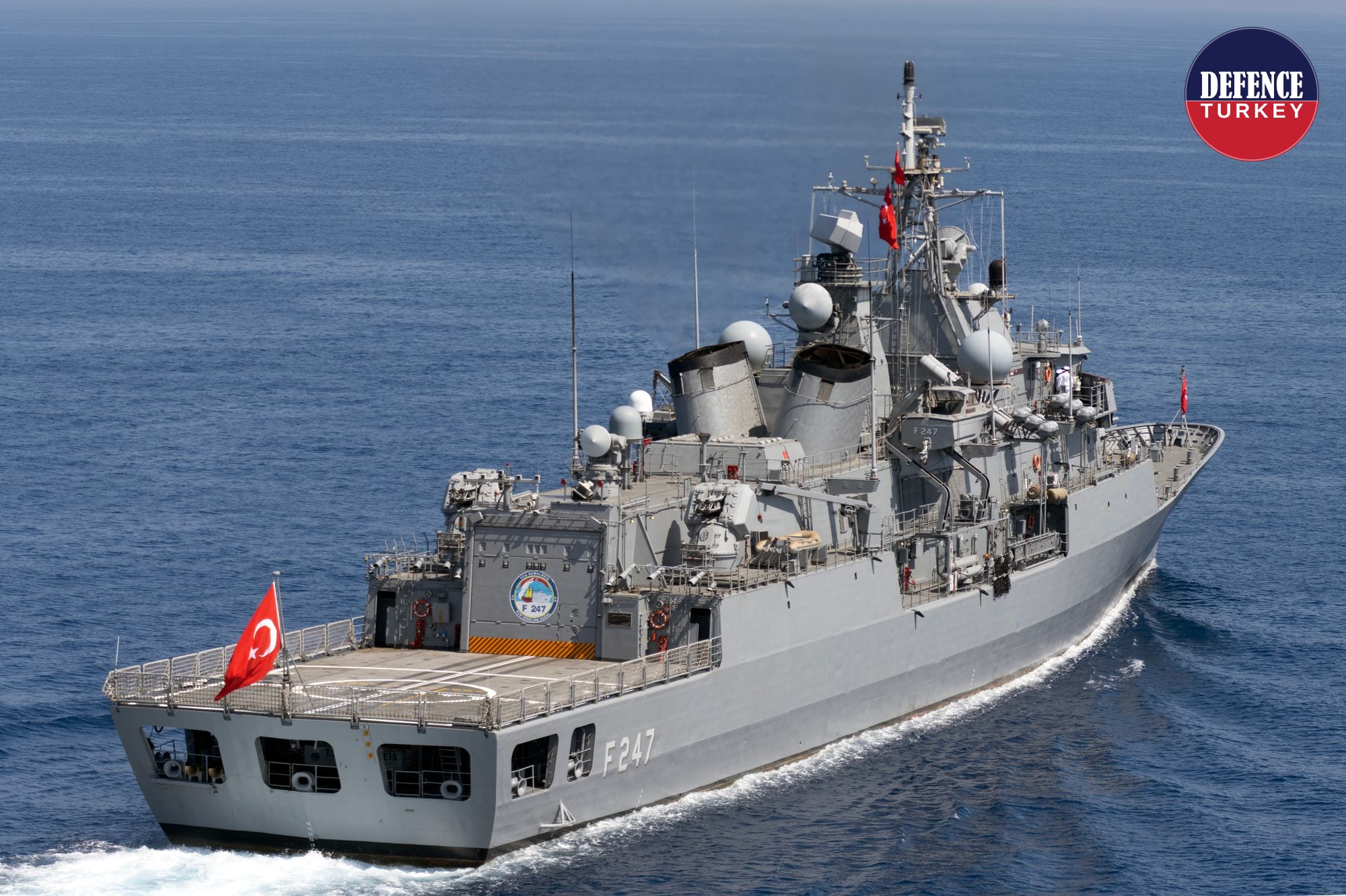
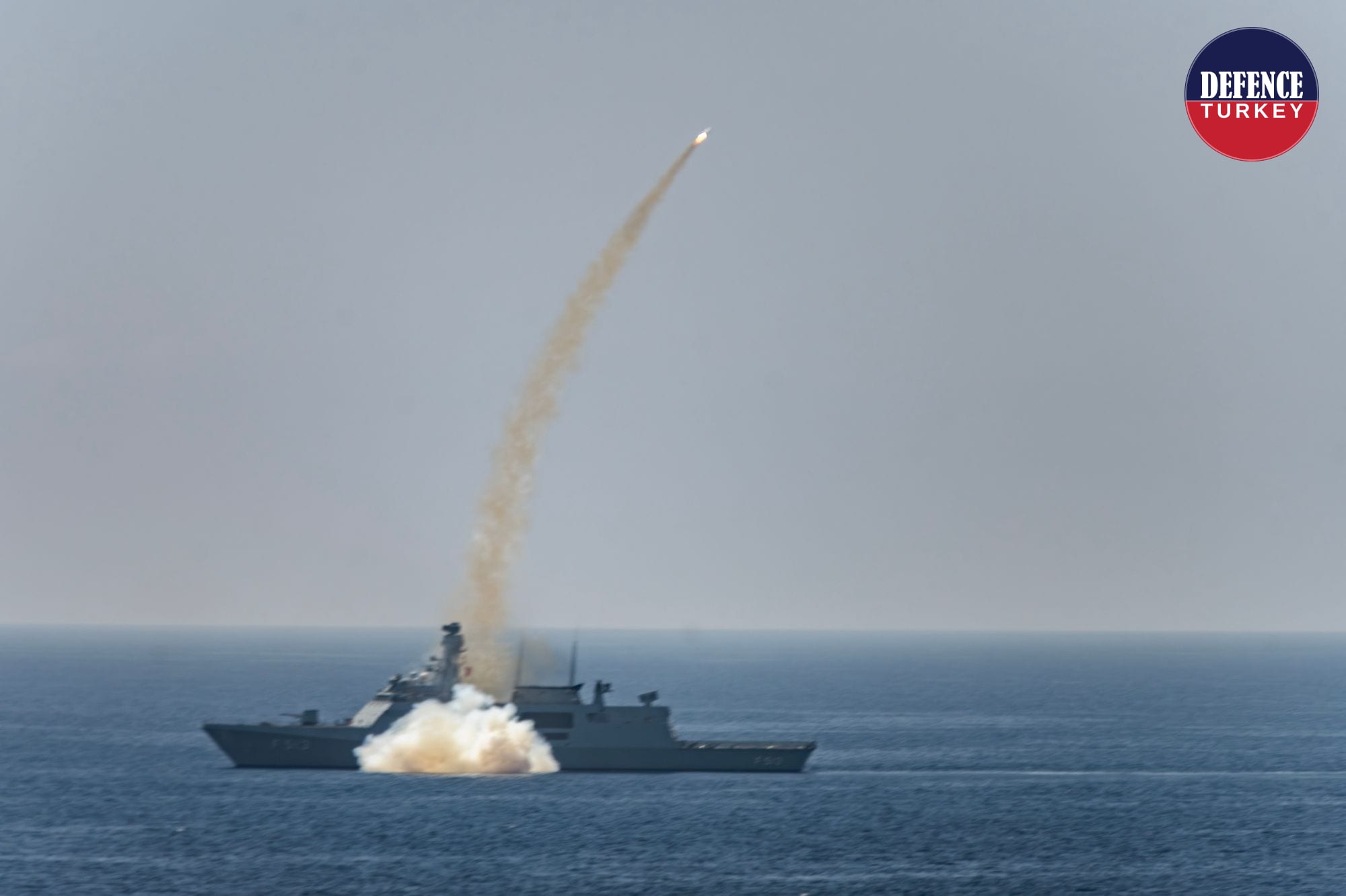
Air-defence capabilities were demonstrated through several engagements. The Barbaros-class frigate TCG Kemalreis conducted a firing of its Sea Zenith close-in weapon system, while the Ada-class corvette TCG Kınalıada launched a RIM-116A/B RAM Block 0/1 missile against a high-speed Şimşek target drone developed by Turkish Aerospace.
In a separate event conducted simultaneously in the Black Sea, the İstanbul-class frigate TCG İstanbul carried out the first publicly demonstrated firing of the Hisar-D naval air-defence missile. The firing formed part of Turkey's developing "Steel Dome" integrated air-defence architecture and represented another step in the country's efforts to expand indigenous naval air-defence capabilities.
Beyond the live-fire demonstrations, the programme included naval gunfire support missions against simulated shore targets, mine-disposal operations, anti-submarine warfare activities involving shipborne helicopters, medical evacuation drills, electronic warfare demonstrations, and amphibious raid operations.
The exercise provided one of the most comprehensive public demonstrations to date of Turkey's indigenous naval weapons portfolio, while also highlighting the increasing integration of manned and unmanned systems across surface, subsurface, and aerial domains. The successful employment of the Akya torpedo, Atmaca anti-ship missile, Hisar-D air-defence missile, and TB3 unmanned combat aerial vehicle underscored the Turkish Navy's ongoing effort to reduce dependence on foreign systems and expand its operational capabilities across the maritime battlespace.
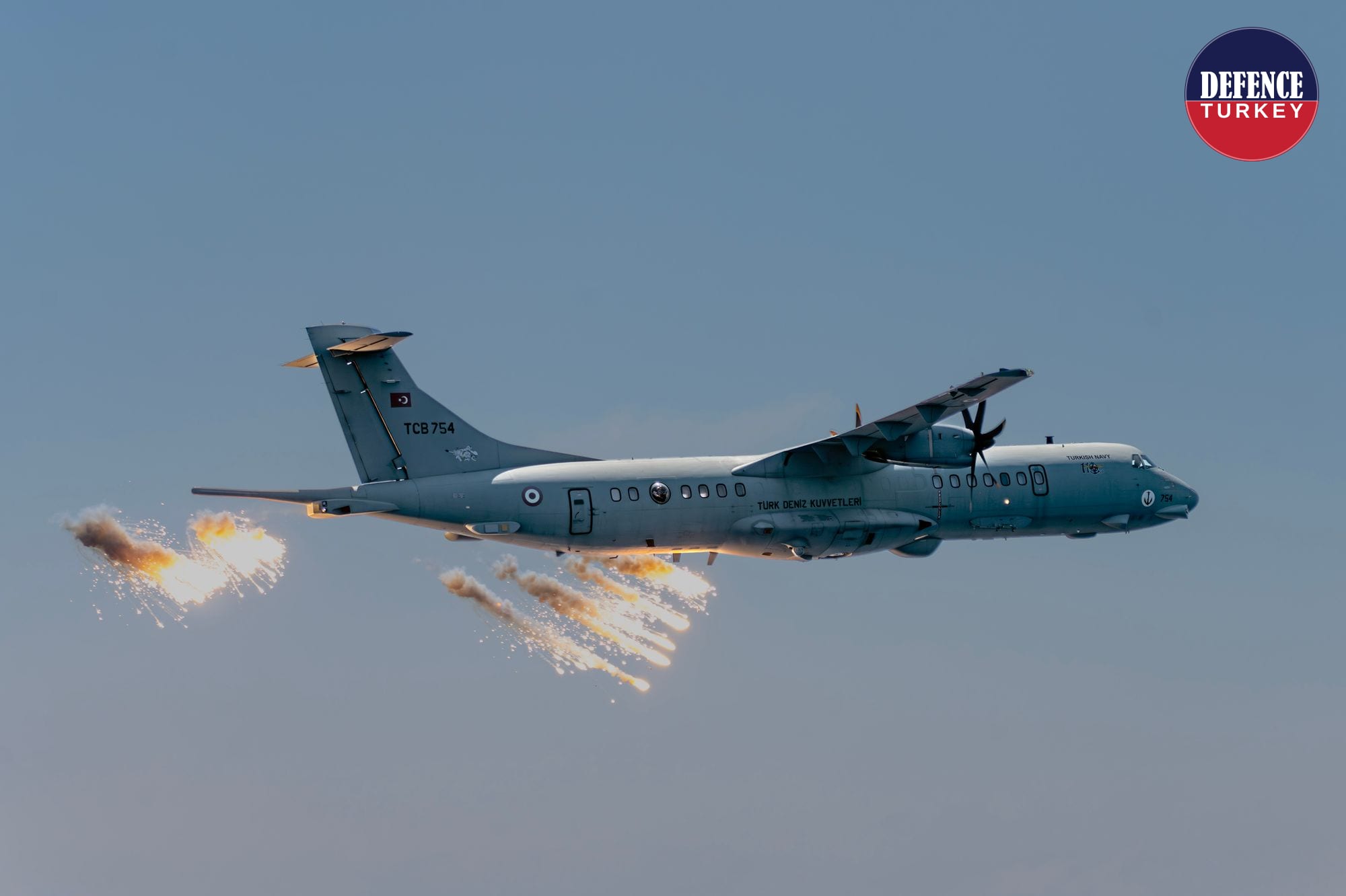
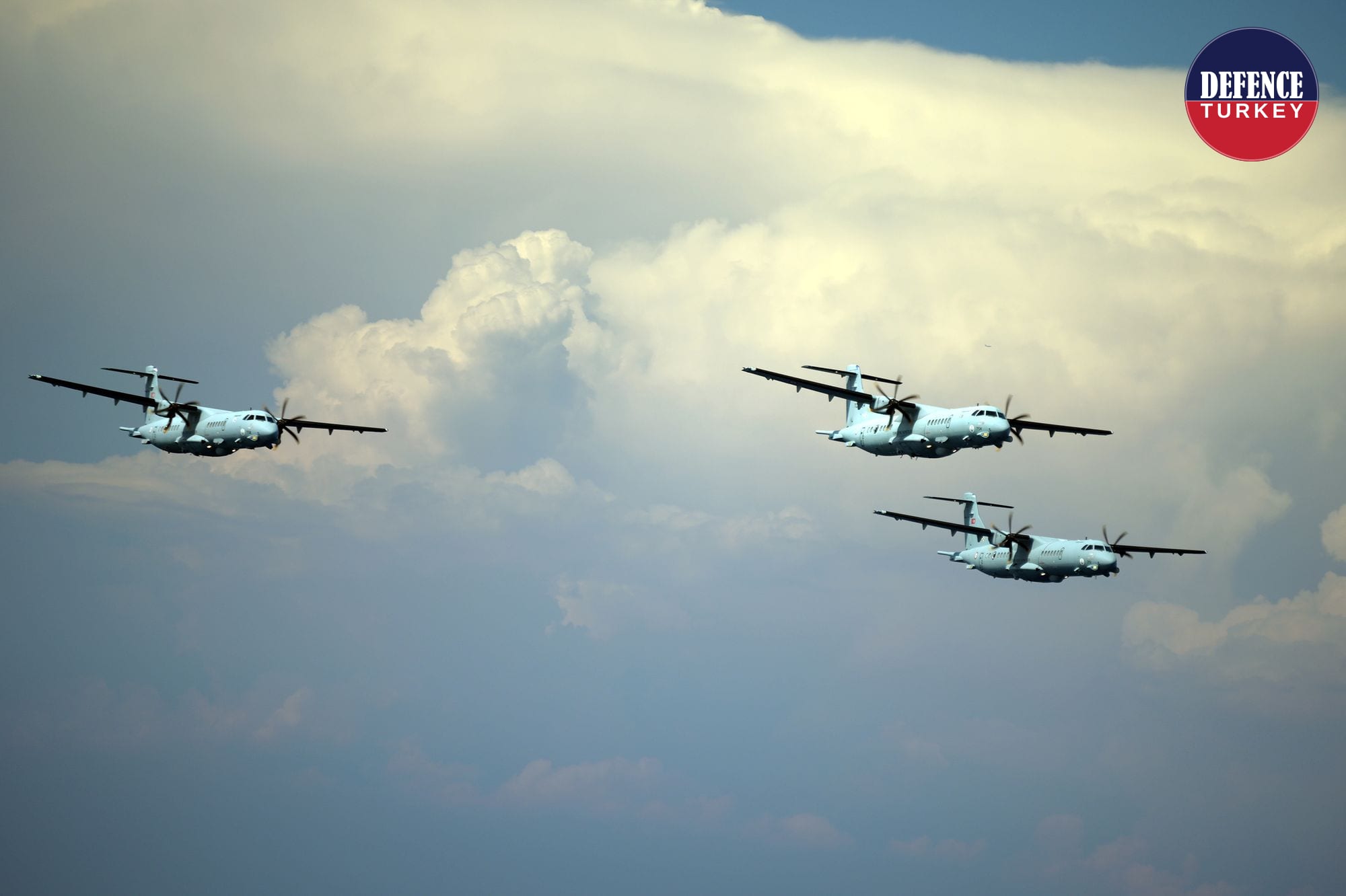
The exercise also included a demonstration of the Antidot electronic support pod carried by a Bayraktar TB3 unmanned combat aerial vehicle. Developed by Aselsan, Antidot is an electronic support measures (ESM) system designed to detect, classify, identify, and geolocate hostile radar emissions. The demonstration highlighted the Turkish Navy's growing emphasis on integrating unmanned aerial platforms into the electromagnetic battlespace, enabling TB3s not only to conduct strike missions but also to contribute to intelligence gathering, electronic warfare, and situational awareness in support of naval operations.
At the end of the Distinguished Visitor and Press Day, the Commander of the Turkish Naval Forces, Admiral Ercüment Tatlıoğlu, made the following speech:
The Denizkurdu-II Exercise is being conducted with great success between 4–14 June 2026, with the participation of 125 ships, 60 aircraft, and a total of 18,000 personnel, across the Black Sea, the Sea of Marmara, the Aegean Sea, and the Mediterranean.
During the Denizkurdu Exercise:
- Surface warfare, shore bombardment, and air defence firings were conducted by our ships;
- Drifting mine destruction activities were carried out by our mine hunters;
- Amphibious raid and amphibious assault activities were conducted by our amphibious and Naval Special Forces (SAT) elements;
- A national AKYA war torpedo was successfully fired from our submarine TCG Sakarya at a decommissioned vessel;
- A national ATMACA guided missile was successfully fired from our national corvette TCG Burgazada at a decommissioned vessel;
- A national HİSAR-D air defence guided missile was successfully fired from our national frigate TCG İstanbul at a high-speed aerial target;
- A RAM air defence guided missile was successfully fired from our national corvette TCG Kınalıada at a high-speed aerial target;
- PENGUIN and national TEMREN guided missiles were successfully fired from ship-borne helicopters at a decommissioned vessel;
- A national MAM-T munition was successfully fired from an AKSUNGUR UAV at a decommissioned vessel;
- A national MAM-L munition was successfully fired from a TB-3 UCAV launched from TCG Anadolu at a moving unmanned surface vehicle target.
All targets were sunk. Today, one torpedo and eight guided missiles were fired.
During this critical period in which we are conducting our exercise, we are closely and sensitively following developments around the world and the situation in our region. These developments confirm the correctness of our goal of possessing a strong, effective, and deterrent naval force, and confirm the importance of the steps we are taking on this path.
Today, as TCG Sakarya sank its target with the AKYA war torpedo, we feel justified pride in having nationalised the torpedo, the principal weapon of our submarines, which form the backbone of our deterrence.
In the Eastern Mediterranean, we are testing our weapons at the furthest distances by conducting the longest-range ATMACA guided missile firing to date.
Against the evolving and diversifying air threat, we are trialling the HİSAR-D guided missile, which has ended our foreign dependency in the field of air defence, in various scenarios.
Through the PENGUIN, TEMREN, and MAM-T guided missile firings conducted from our naval aviation assets, we are demonstrating our precision strike capabilities in the field.
In addition, with the TB-3 UCAVs launched from TCG Anadolu, while on one hand we are destroying moving unmanned surface vehicles with MAM-L, on the other hand we are applying electronic warfare procedures using the national pod integrated onto the TB-3; in this way, we are combining the superior level our defence industry has reached with the new doctrines and tactics we have developed.
In the field of unmanned systems, which will determine the fate of future battles, our country holds a leading position globally in UAVs, and we are now adding UCAVs that will operate across every dimension of naval warfare, as well as Kamikaze UCAVs, to our inventory, while developing our tactics to use these assets in the most effective manner.
In addition, with the support of our national defence industry companies, we have intensified our efforts in the field of unmanned underwater systems, a field that will be a game-changer in the future and in which very few countries in the world currently possess the capability.
We are working with all our strength to bring these capabilities to the Turkish Naval Forces as well, in order to achieve a stronger and more deterrent structure.
Indeed, with the realisation of our TEPE-Class air defence destroyer KOCATEPE, our national submarine ATILAY, and our national aircraft carrier projects, all of which we are following closely, our Naval Forces will take the capability and capacity to defend the homeland against any threat that may come from the sea, in the Blue Homeland and beyond, to a much higher level; and to protect the political, military, and economic interests of the Republic of Turkey, to support peace, and to carry out tasks such as humanitarian assistance and evacuation.
Thank you for the interest you have shown in our exercise, in which we have conducted one torpedo and eight guided missile firings today.
Kaynak: defenceTurkey
Son Haberler

TUSAŞ, “En Gözde Şirketler” araştırmasında lider oldu

ABD Ukrayna İçin 7 Yıl Sonra Üretim Hattını Açtı

Türkiye, Malezya’ya Komuta Kontrol gemisi satacak

ROKETSAN, ileri teknoloji savunma sistemleriyle Paris’te sahneye çıktı
