


Cem Doğut
3 June 2026 · 09:46Updated: 4 June 2026 · 20:18ArticleEstablished in 1952, the 161st “Kartal (Eagle)” Squadron was among the first Turkish Air Force units to transition to the jet age. Initially equipped with the F-84G Thunderjet, the Squadron entered the jet era in the early years of the Turkish Air Force’s modernization program.
On December 25, 1965, the Squadron transitioned to the F-5 Freedom Fighter, receiving the first batch of 21 aircraft procured from the United States. Less than a year later, on November 26, 1966, six additional F-5 aircraft from a second procurement batch were assigned to the Squadron. These aircraft were ferried from the United States to Türkiye by six Squadron pilots. Covering a distance of 15,348 kilometers in just 21 hours, they became the first Turkish aviators to successfully ferry combat aircraft across the Atlantic Ocean.
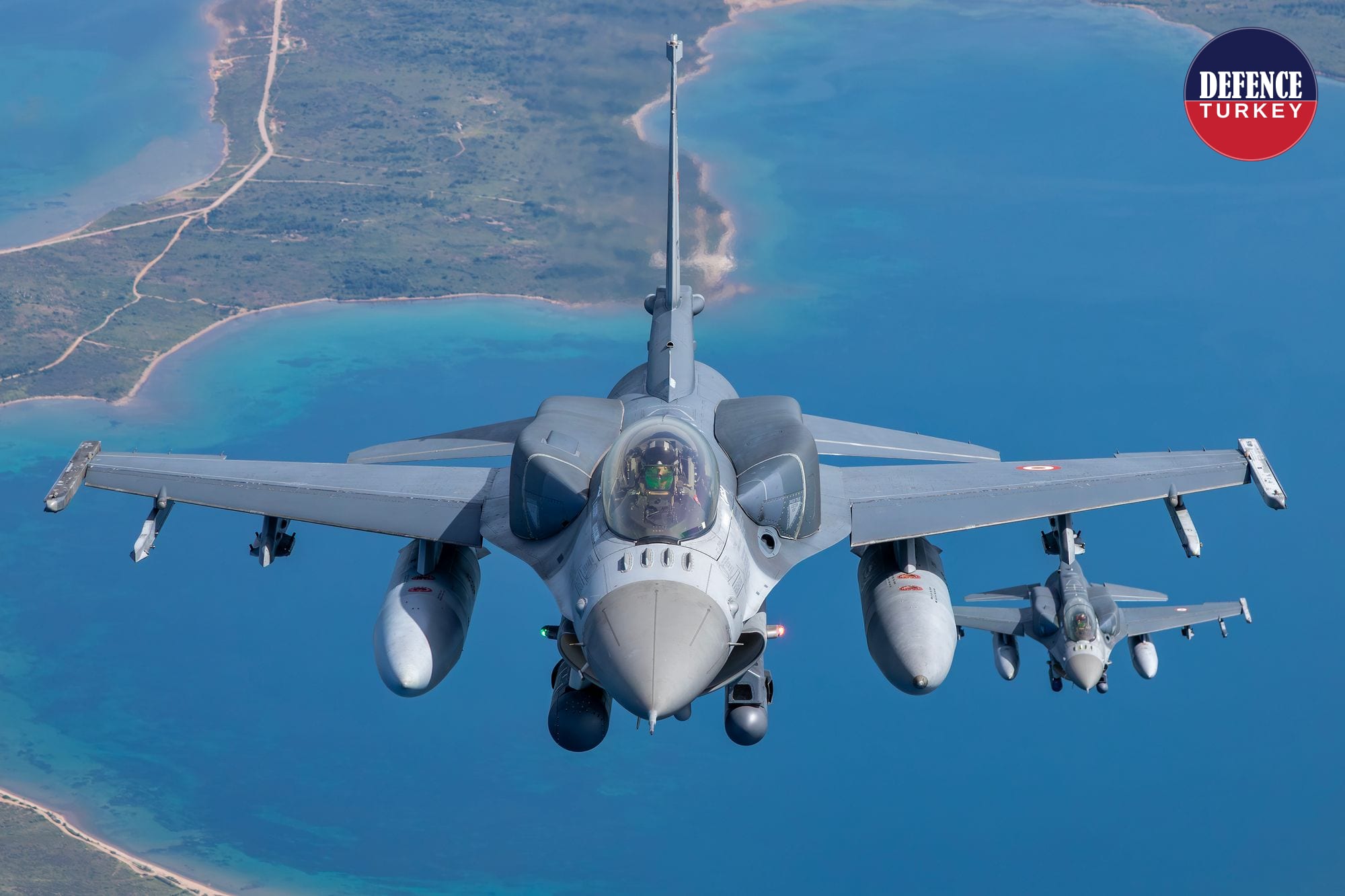
The Squadron underwent another major modernization effort in 1983 with the introduction of the F-104G Starfighter. Nearly a decade later, on June 19, 1992, it entered a new era by converting to the F-16 Fighting Falcon, which remains its primary combat platform today.
From Eagle to Bat: Mastering the Night
The introduction of the LANTIRN system, which would provide the Turkish Air Force with a true all-weather, day-and-night precision strike capability, began within the 161st Squadron in 1993. Following the completion of training on July 1, 1994, the Squadron became the first operational LANTIRN-equipped unit in the Turkish Air Force. The Turkish Air Force was also the first operator of the LANTIRN system outside the United States.
With the introduction of LANTIRN, the Squadron's traditional call sign, Kartal (Eagle), gained a new counterpart: Yarasa (Bat). As a result, the Squadron came to be known as “Eagle” by day and “Bat” by night, making it the only squadron in the Turkish Air Force to operate under two distinct identities.
The Turkish Air Force acquired the LANTIRN (Low-Altitude Navigation and Targeting Infrared for Night) system through the Foreign Military Sales (FMS) program under the US$183 million Peace Moon project. The contract covered the delivery of 40 AN/AAQ-13 Navigation Pods and 20 AN/AAQ-14 Targeting Pods, along with comprehensive technical and tactical training, logistics support, and maintenance infrastructure.
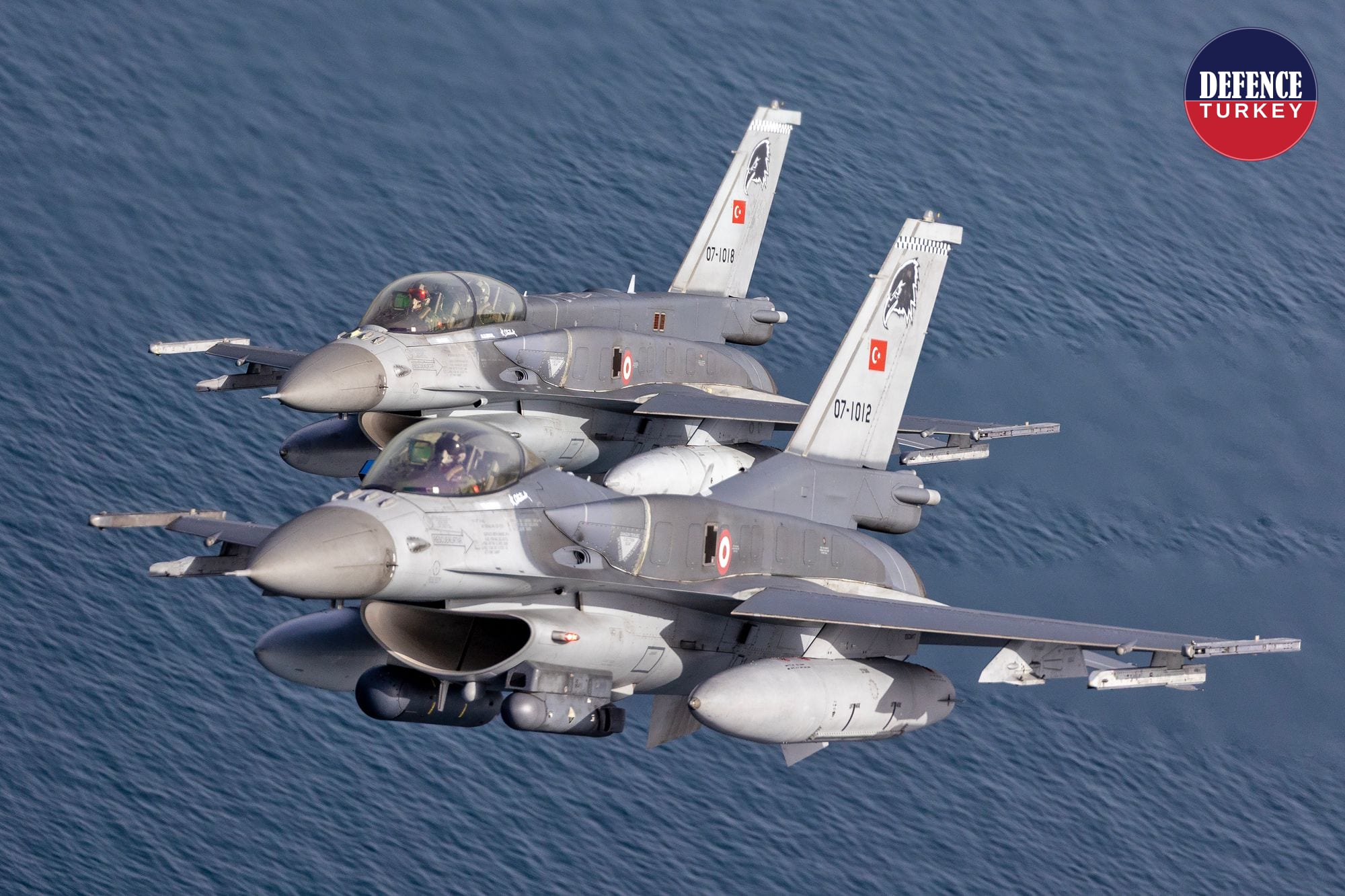
The first LANTIRN pods and support equipment arrived in Türkiye in June 1993. Six Turkish Air Force pilots completed their operational conversion training in the United States before returning home to establish the new capability. On January 6, 1994, the “Yarasa (Bat)” LANTIRN Squadron was formally activated with the support of two U.S. instructor pilots and six additional pilot trainees. During this period, extensive training was conducted in precision strike tactics, including employment of AGM-65G Maverick missiles and GBU-10 laser-guided bombs. In 1997, a follow-on procurement added 20 more targeting pods to the inventory.
LANTIRN consists of two externally mounted pods: the AN/AAQ-13 Navigation Pod and the AN/AAQ-14 Targeting Pod. Integrated with the F-16’s radar and inertial navigation systems, these pods allow pilots to conduct low-level navigation and precision strike missions in both day and night conditions. The system provides daylight-like situational awareness during darkness, enabling low-level penetration missions and highly accurate engagement of designated targets.
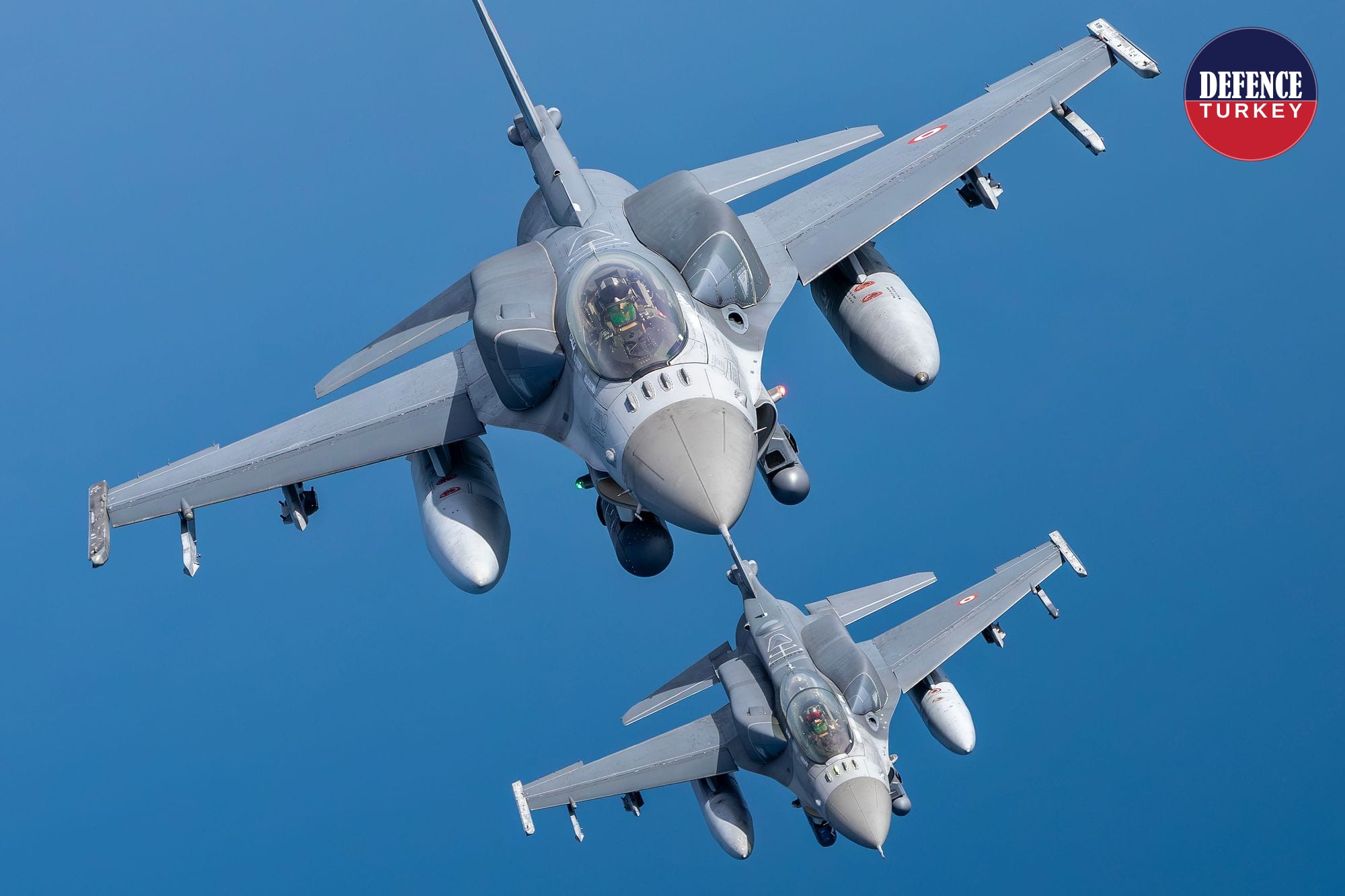
Through its terrain-following capability, pilots can safely navigate at altitudes ranging from 100 to 1,000 feet above ground level. Depending on mission requirements and terrain conditions, the pilot may select 100, 200, 300, 500, or 1,000 feet through the aircraft’s Multi-Function Display (MFD). During night operations, Forward Looking Infrared (FLIR) imagery from the navigation pod is projected directly onto the Head-Up Display (HUD), significantly enhancing situational awareness.
Under Project Onyx IV, the Turkish Air Force further enhanced its precision targeting capability through the procurement of 30 AN/AAQ-33 Sniper Advanced Targeting Pods and 30 Enhanced LANTIRN-ER Navigation Pods. These acquisitions substantially improved the effectiveness of the original LANTIRN architecture. Today, the AN/AAQ-14 Targeting Pod is gradually being replaced by both the AN/AAQ-33 Sniper and the indigenous ASELPOD targeting system.
Developed by ASELSAN, ASELPOD incorporates a domestically developed Mid-Wave Infrared (MWIR) thermal imaging sensor featuring a 640×512 Focal Plane Array (FPA) detector, representing a significant improvement over earlier-generation systems. The pod also includes a high-resolution CCD-TV camera, laser designation and tracking systems, and a highly stable four-axis gimbal assembly.
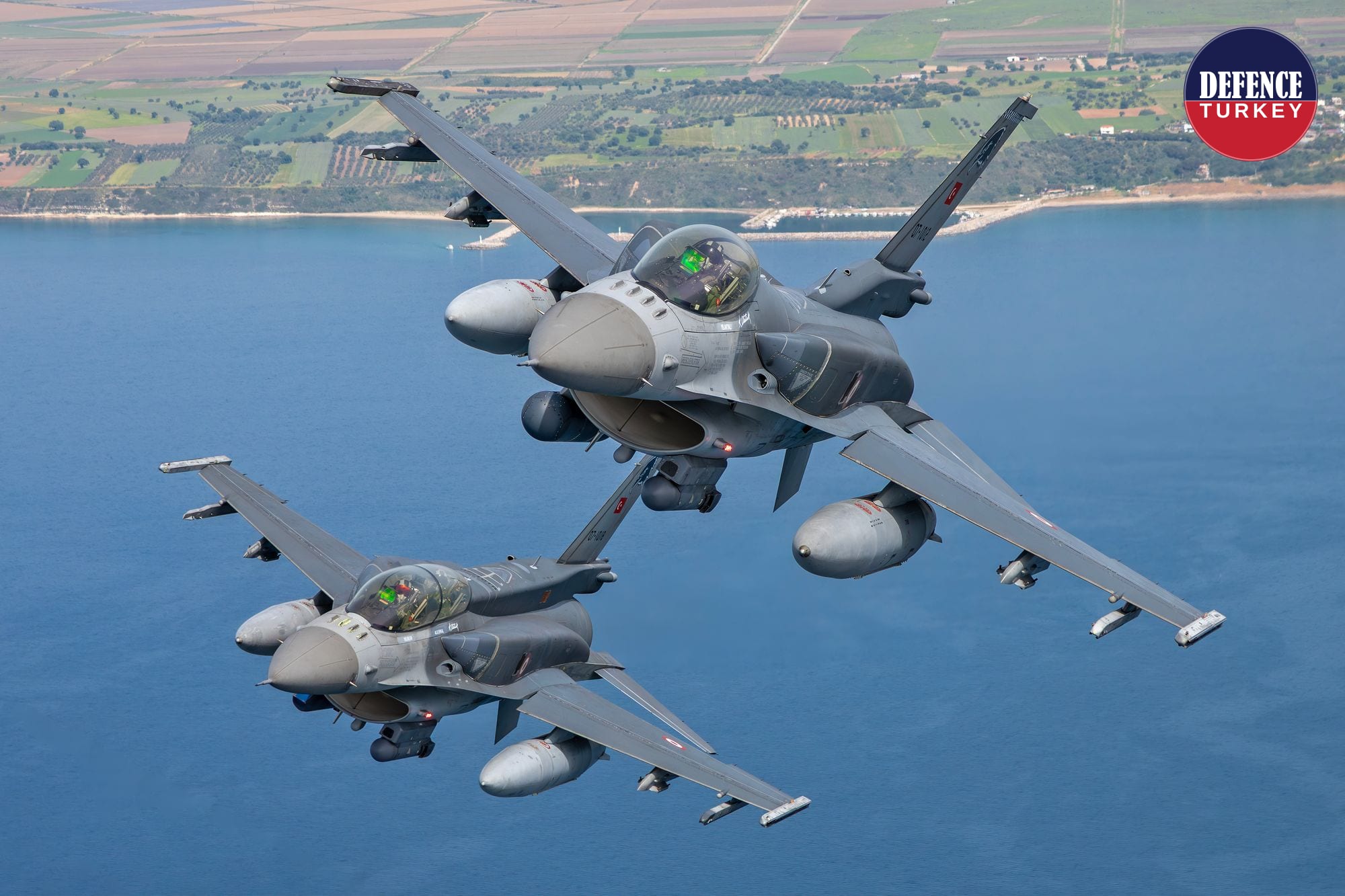
Although primarily designed as a targeting pod, ASELPOD can also support nighttime navigation through its Super Wide Field of View mode, providing a capability similar to that of the AN/AAQ-13 Navigation Pod. Thermal imagery generated by ASELPOD can be projected onto the aircraft’s HUD, allowing pilots to maintain enhanced situational awareness during demanding low-level operations.
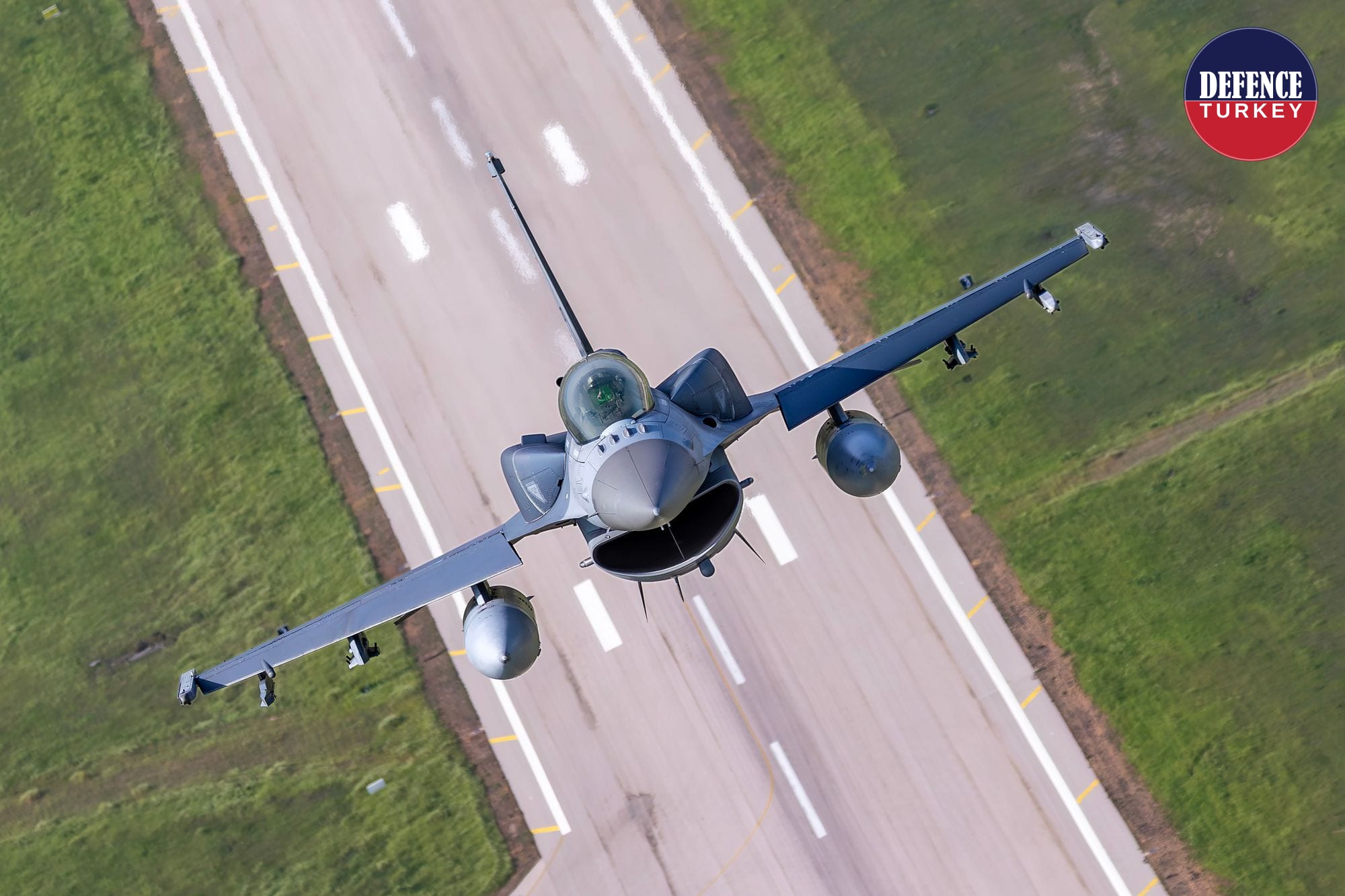
On September 27, 1994, F-16 aircraft of the 161st Squadron achieved another milestone when they successfully released six Mk-82 general-purpose bombs against unlit targets during a night exercise, achieving direct hits. This marked the first successful night precision bombing event in a Turkish Air Force exercise.
In 2000, the Squadron began providing LANTIRN Combat Readiness Training to pilots of the 181st Squadron. Four years later, on June 8, 2004, the first Night Vision Goggle (NVG) flight in Turkish Air Force F-16 history was conducted by a pilot of the 161st Squadron. Since 2005, the Squadron has continued to provide NVG Combat Readiness Training for both F-16 and F-4E/2020 units across the Turkish Air Force.
Operations and Exercises
Throughout its history, the 161st Squadron has played a prominent role in both national and international operations, accumulating extensive combat and operational experience across a wide spectrum of missions.
Between 1994 and 1999, the Squadron deployed to Ghedi Air Base in Italy on several occasions in support of NATO operations over the Balkans, including Operation Deny Flight and later Operation Decisive Endeavour. During these deployments, the Squadron accumulated approximately 4,600 operational flight hours, making it one of the most active Turkish Air Force units participating in the mission.
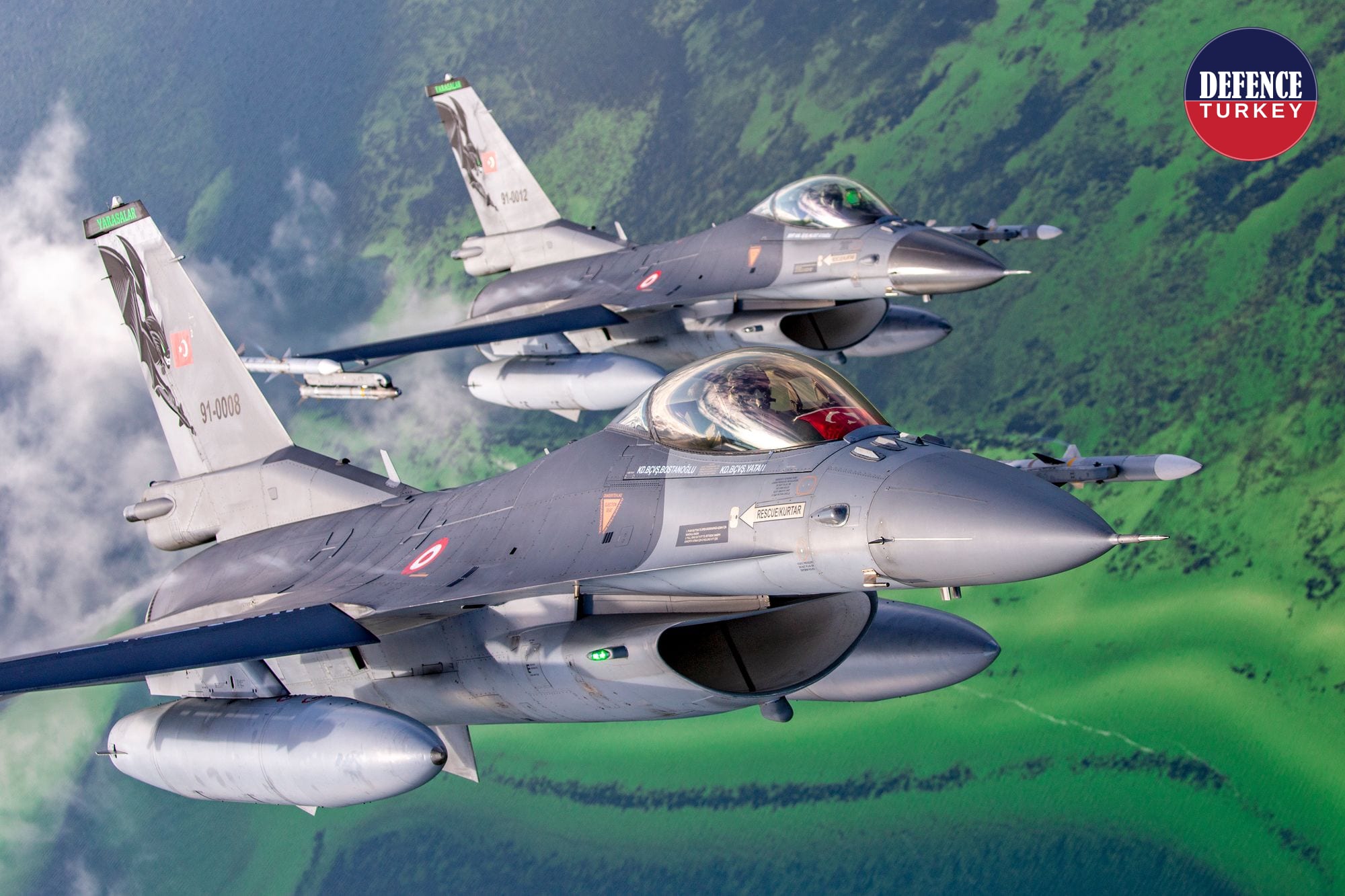
As part of Operation Deny Flight, the 161st Squadron achieved another significant milestone in March 1994 by conducting the first night-time air-to-air refueling mission in Turkish Air Force history. The Turkish Air Force initially joined NATO operations over Bosnia-Herzegovina on April 19, 1993, deploying 18 F-16 aircraft. Over the following years, various Turkish F-16 squadrons participated in operations from Ghedi Air Base in Italy, supporting missions over Bosnia-Herzegovina and later Kosovo. Turkish participation continued until August 7, 2001, when the final sortie was flown by the 182nd Squadron. During this eight-year commitment, the Turkish Air Force accumulated approximately 34,000 flight hours in support of NATO operations in the Balkans.
Between 1993 and 1996, the 161st Squadron actively participated in counter-terrorism operations against the PKK terrorist organization. During this period, the Squadron was frequently deployed to the 8th Main Jet Base Command in Diyarbakır, which served as a forward operating location for both domestic and cross-border missions.
The Squadron also contributed to multinational security operations in Northern Iraq. Between 1993 and 1999, it was deployed to Incirlik Air Base on several occasions in support of Operations Provide Comfort and Northern Watch, enforcing coalition objectives and maintaining regional stability.
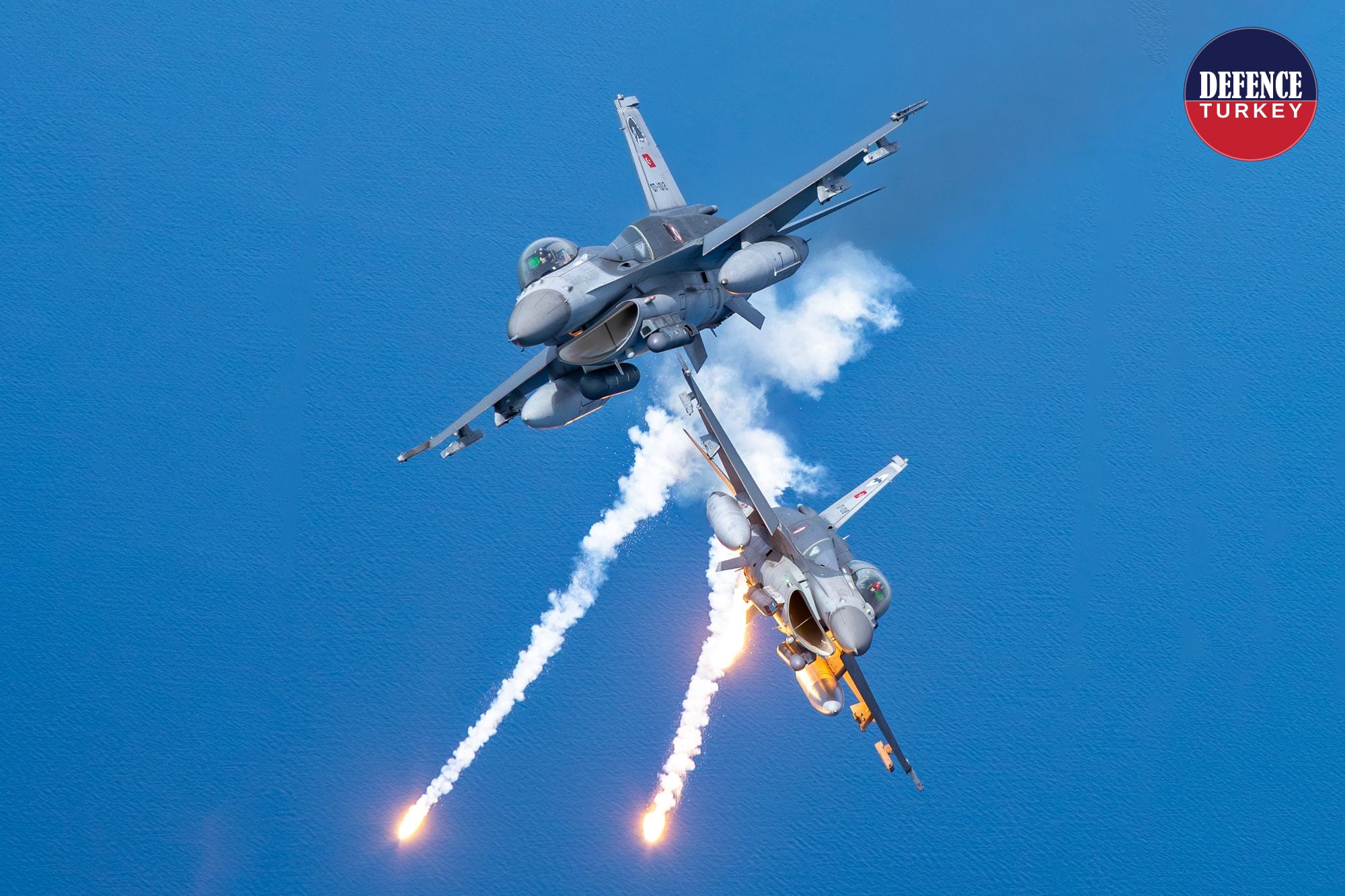
One of the Squadron’s most specialized mission areas is Tactical Air Support for Maritime Operations (TASMO). As the Turkish Air Force’s primary maritime strike squadron, the 161st has developed extensive expertise in engaging naval targets and supporting joint maritime operations.
A major demonstration of this capability took place during the Sea Wolf 2001 exercise, when aircraft from the Squadron successfully attacked and sank a designated target vessel using precision-guided munitions. The exercise highlighted the effectiveness of the Squadron’s maritime strike doctrine and its ability to conduct coordinated operations with naval forces.
Today, the Squadron maintains a robust anti-surface warfare capability employing a variety of advanced stand-off and precision-guided weapons, including the AGM-65G Maverick missile, the SOM stand-off cruise missile, and AGM-84H/K SLAM-ER.
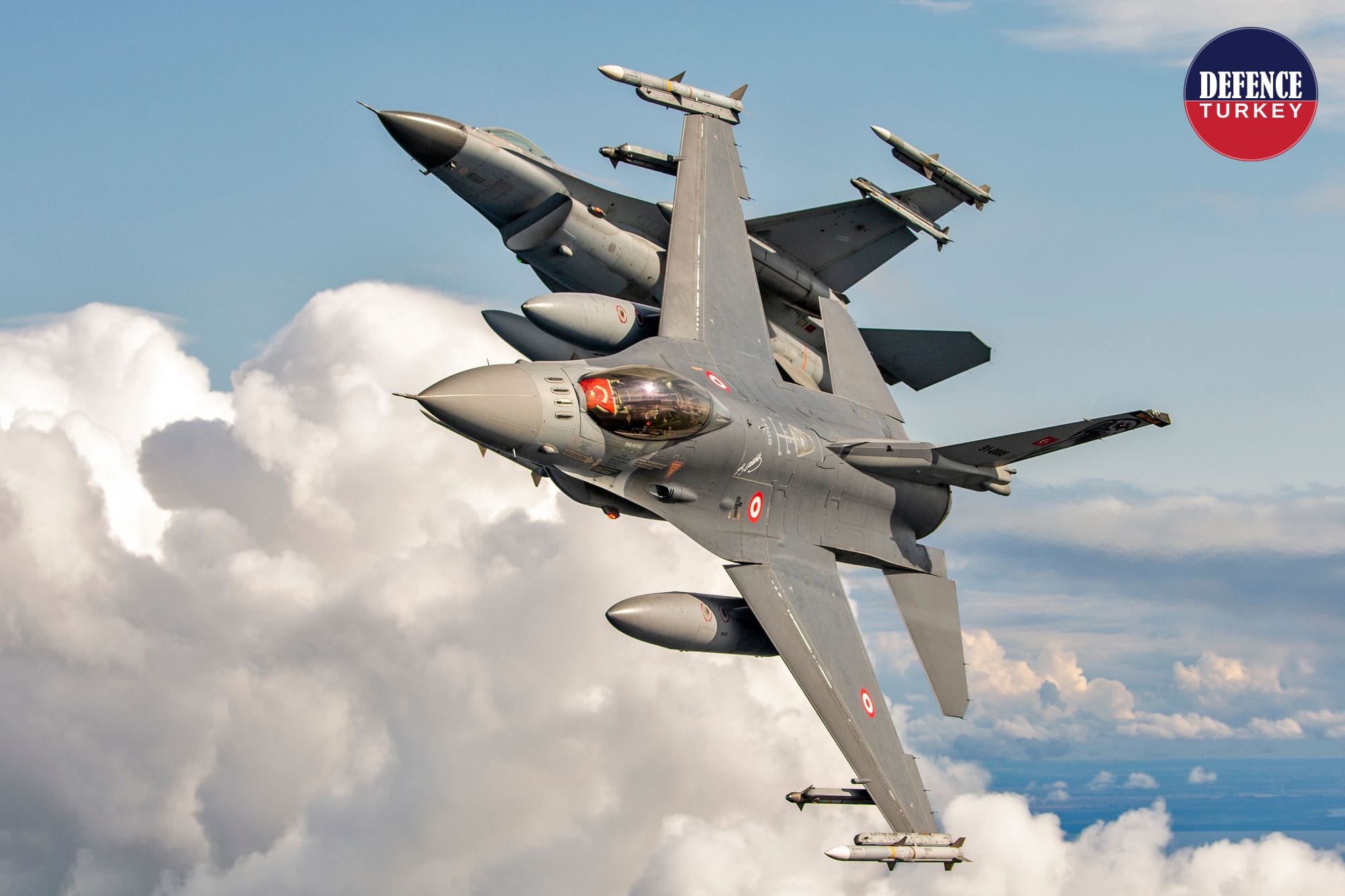
More recently, the 161st Squadron has continued to contribute to NATO’s collective defence posture. As part of NATO’s Enhanced Air Policing mission, four F-16 Fighting Falcon aircraft from the Squadron were deployed to Malbork Air Base in Poland. The detachment commenced operations on July 6, 2021, conducting air policing and deterrence missions along NATO’s eastern flank before returning to Türkiye on September 15, 2021.
Today, equipped with advanced precision-strike capabilities, extensive night-attack expertise, and decades of operational experience, the 161st “Eagle” Squadron remains one of the Turkish Air Force’s premier fighter-bomber units. Whether supporting national security objectives, contributing to NATO operations, or conducting complex maritime strike missions, the Squadron continues to uphold its distinguished legacy as one of the most capable and combat-proven units within the Turkish Air Force.