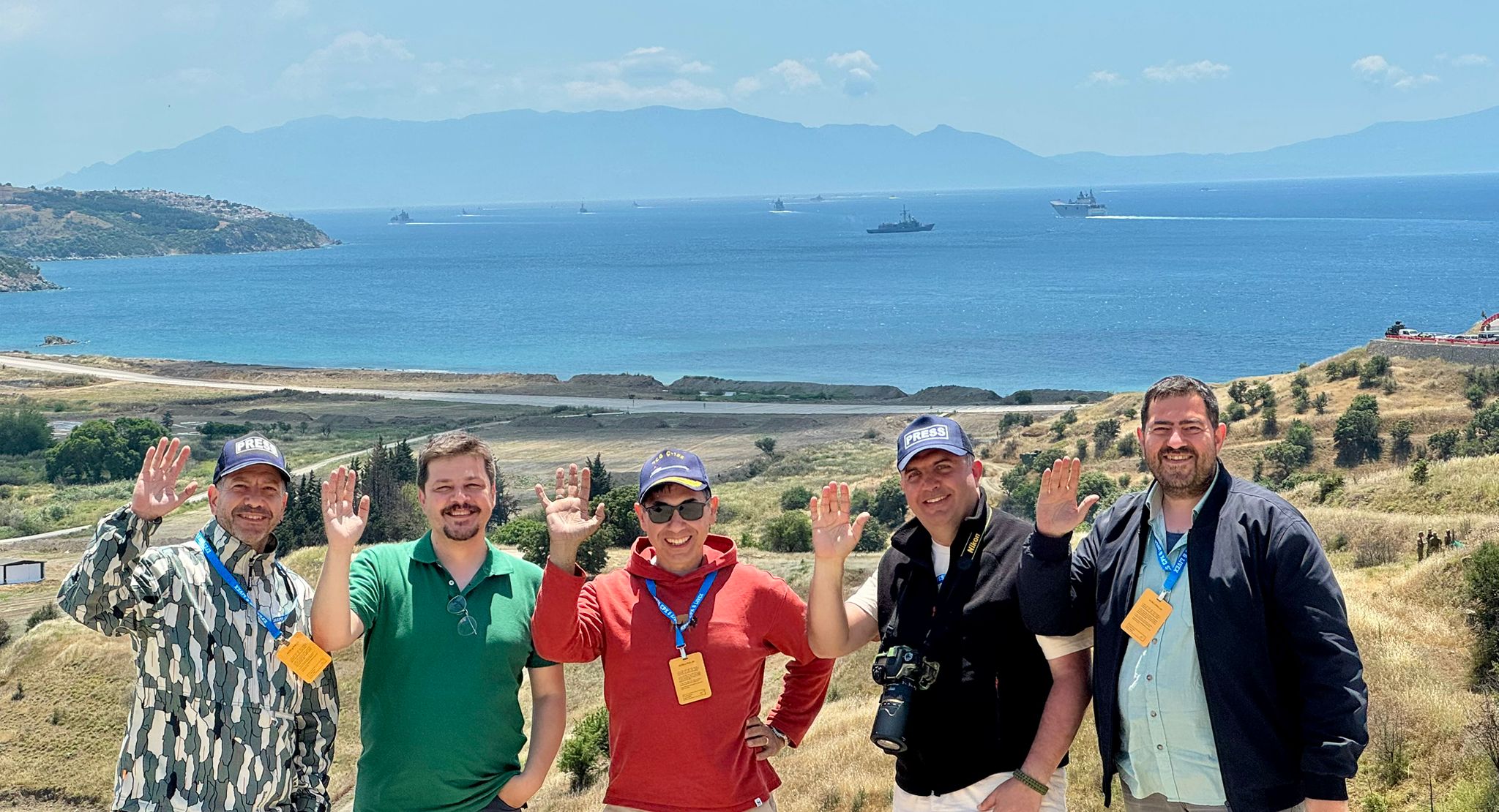


The EFES-2026 Combined Joint Live-Fire Exercise, one of the largest planned exercises of the Turkish Armed Forces, was conducted between April 11 and May 22 in the Gulf of İzmir and Doğanbey Live-Fire Exercise Area.
The EFES-2026 Combined Joint Live-Fire Exercise was held with the participation of the Ministry of National Defence, the Turkish General Staff, the Turkish Land, Naval, and Air Forces, the Gendarmerie General Command, the Coast Guard Command, the Special Forces Command, various ministries, public institutions, and organizations. Additionally, 10,388 personnel, including a total of 1305 guest personnel from 50 countries; Albania, Azerbaijan, Bahrain, Bangladesh, Bosnia and Herzegovina, Brazil, Bulgaria, Canada, Croatia, Czechia, Egypt, France, Georgia, Germany, Guinea, Hungary, Italy, Japan, Kazakhstan, Kyrgyzstan, Latvia, Libya, Lithuania, Malaysia, Mongolia, Netherlands, Niger, North Macedonia, Pakistan, Poland, Portugal, Romania, Rwanda, Senegal, Slovakia, Slovenia, Somalia, Syria, Tanzania, Tunisia, Uganda, the United Arab Emirates, the United Kingdom, the United States of America, Uzbekistan, Vietnam, Zambia, and Zimbabwe participated in the exercise.
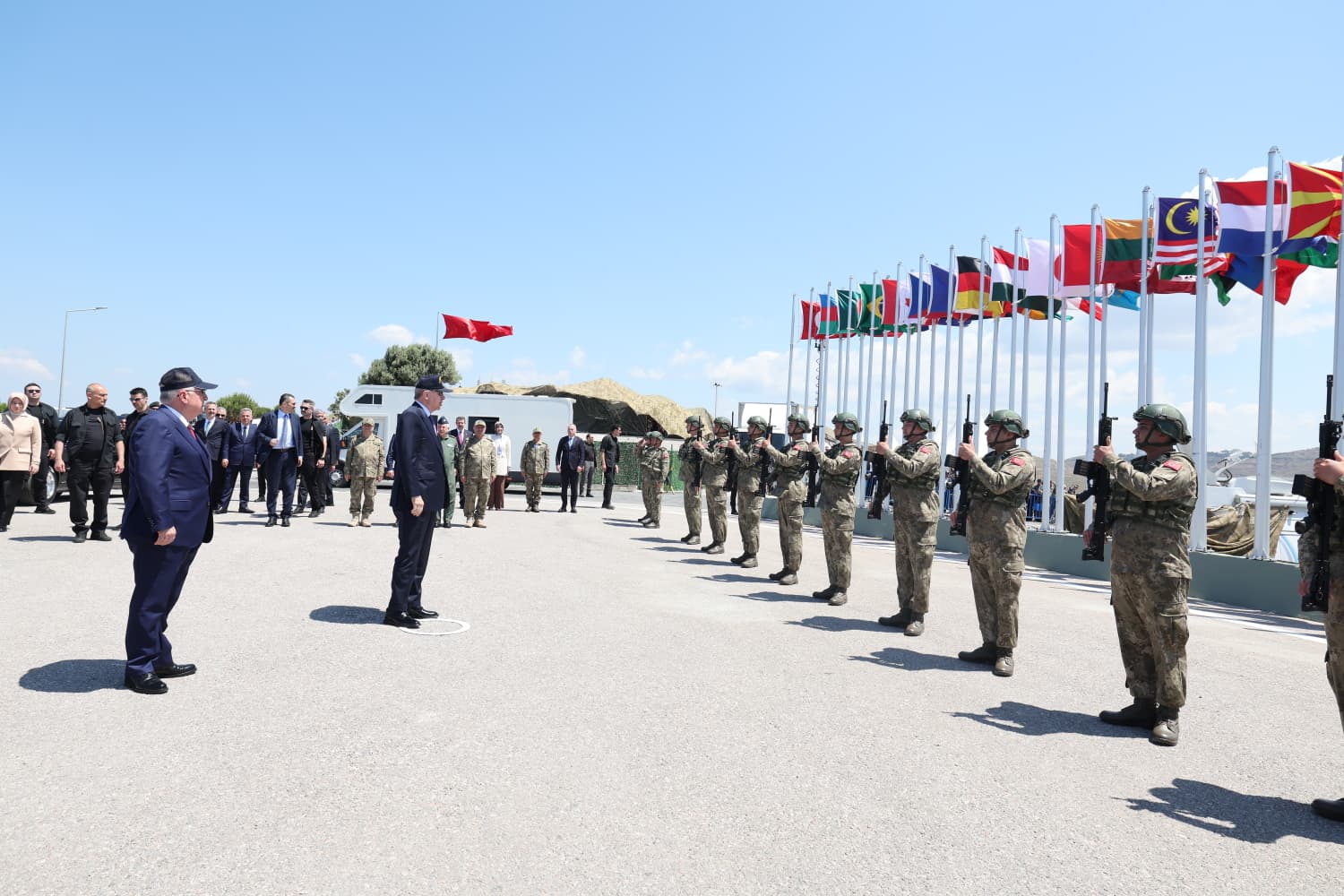
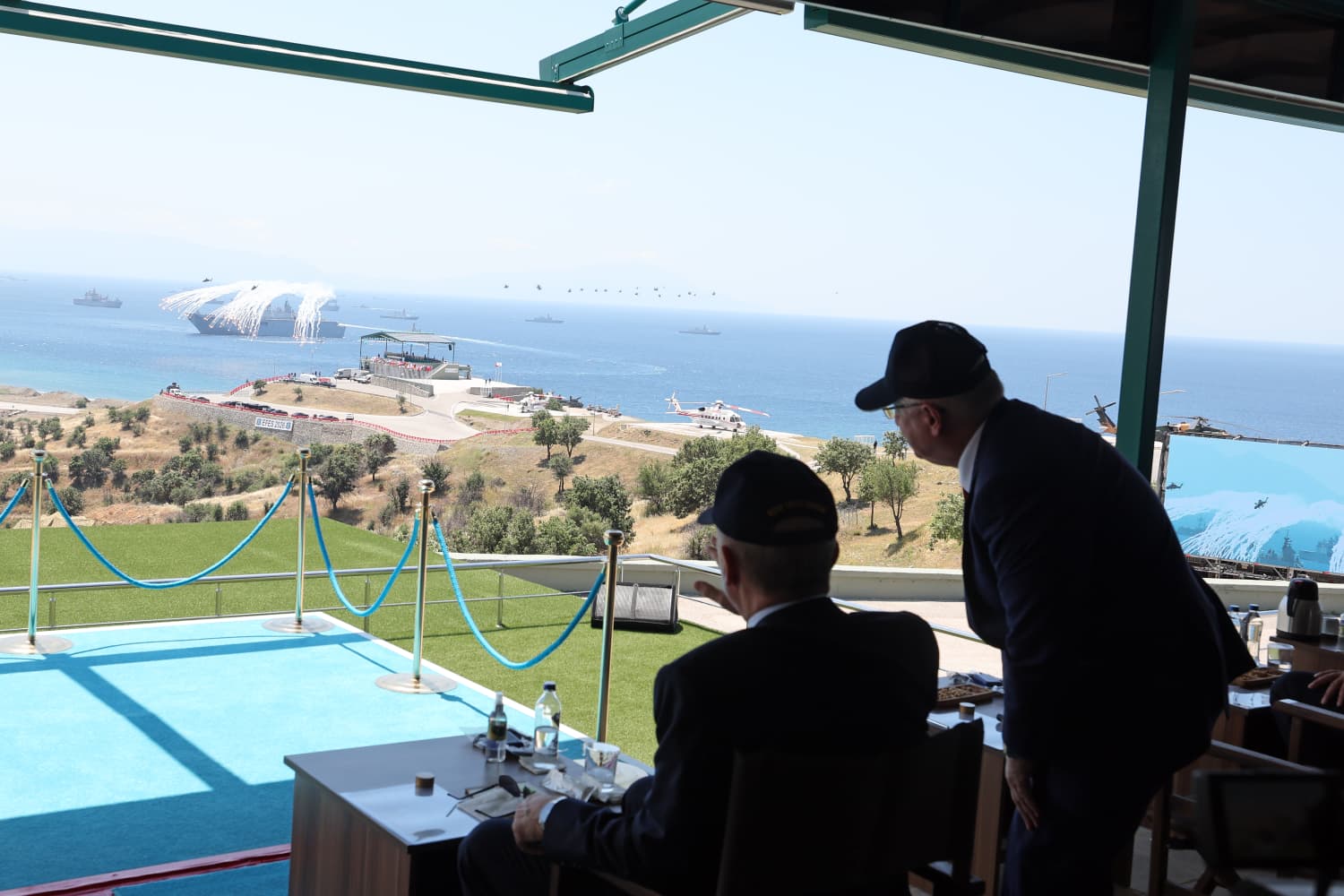
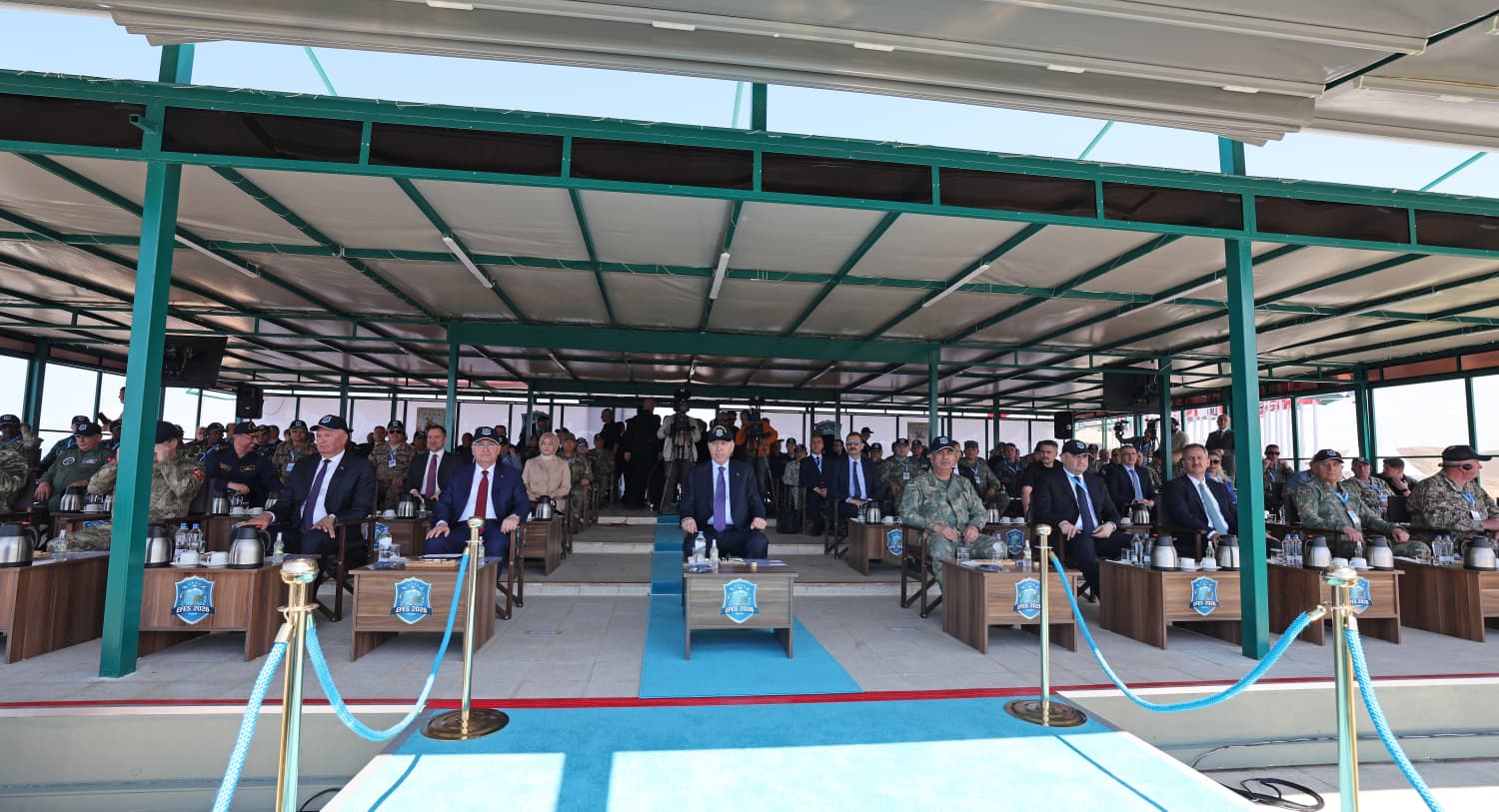
The Distinguished Observer Day of the exercise was conducted with the participation of President of the Republic of Türkiye Recep Tayyip Erdoğan, the Minister of National Defence Yaşar GÜLER, Chief of the Turkish General Staff General Selçuk Bayraktaroğlu, Turkish Land Forces Commander General Metin Tokel, Turkish Air Force Commander General Ziya Kadıoğlu, and Turkish Naval Forces Commander Admiral Ercüment Tatlıoğlu. Distinguished Observer Day was also attended by several high-ranking officials of the Turkish Armed Forces & Allied Countries. In addition, Chiefs of General Staffs from friendly and allied countries were also present to observe the exercise.
The exercise, which was conducted in two phases, began with the first phase taking place from April 11 to April 17 as a Computer-Aided Command Post Exercise, followed by the second phase from April 20 to May 21 as the Live-Fire Field Exercise. The exercise has been held in Western Anatolia, Central Aegean, İstanbul, the Gulf of İzmir, and the Doğanbey Live-Fire Exercise Area. The objectives of the exercise included several critical components, such as enhancing the combat readiness of the land, naval, and air forces in joint operations, raising cyber defence awareness, and improving capabilities to counter asymmetric threats.
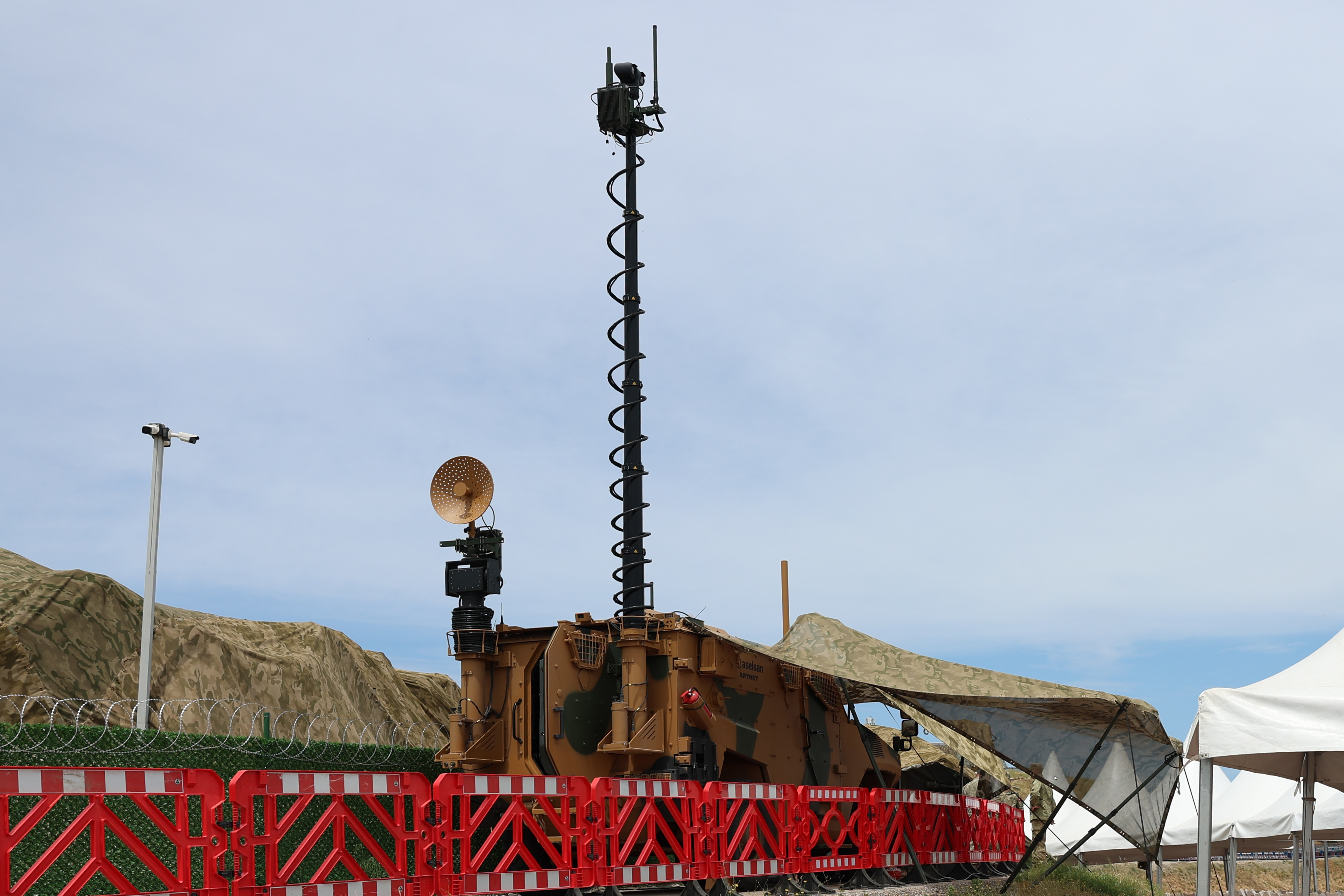
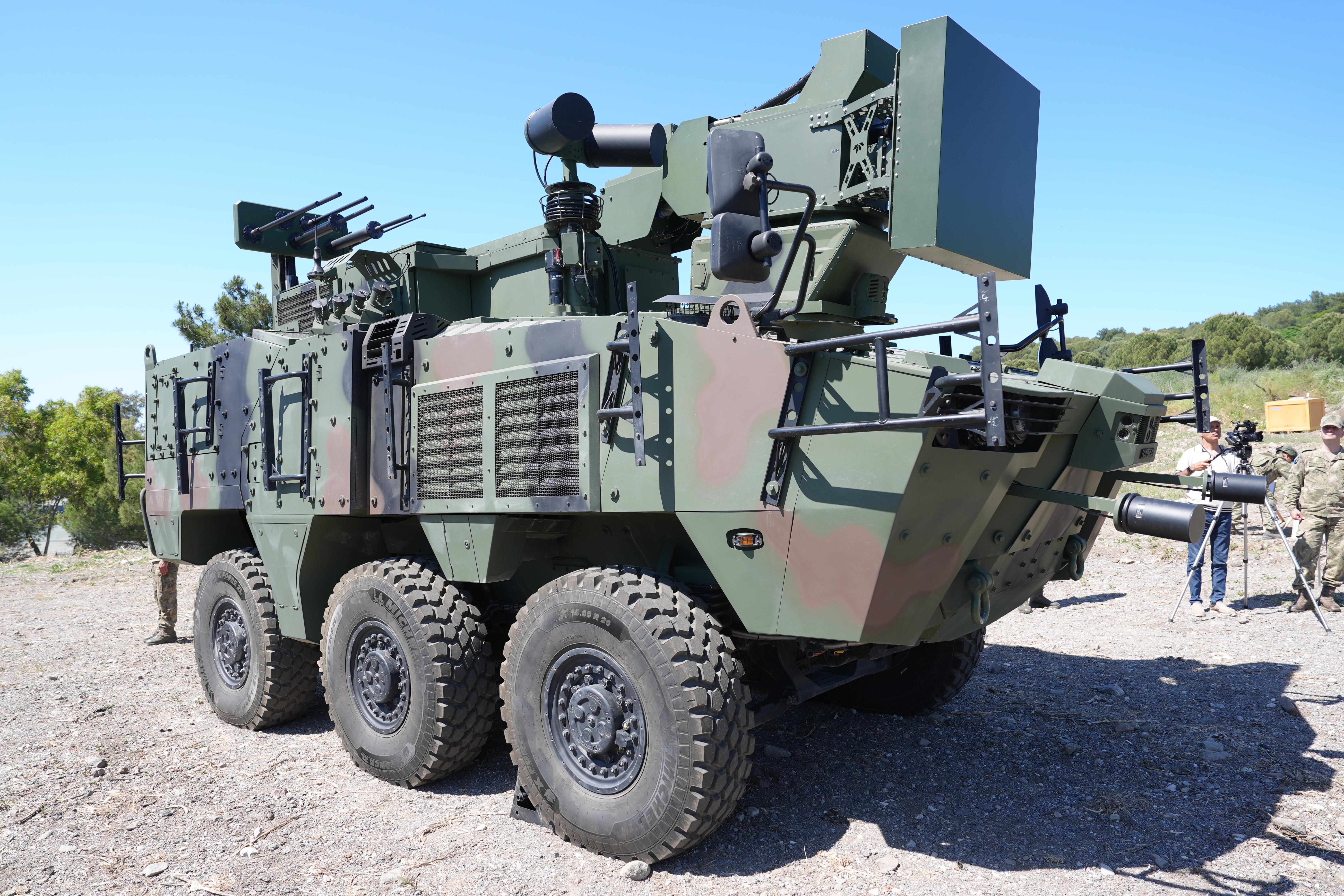
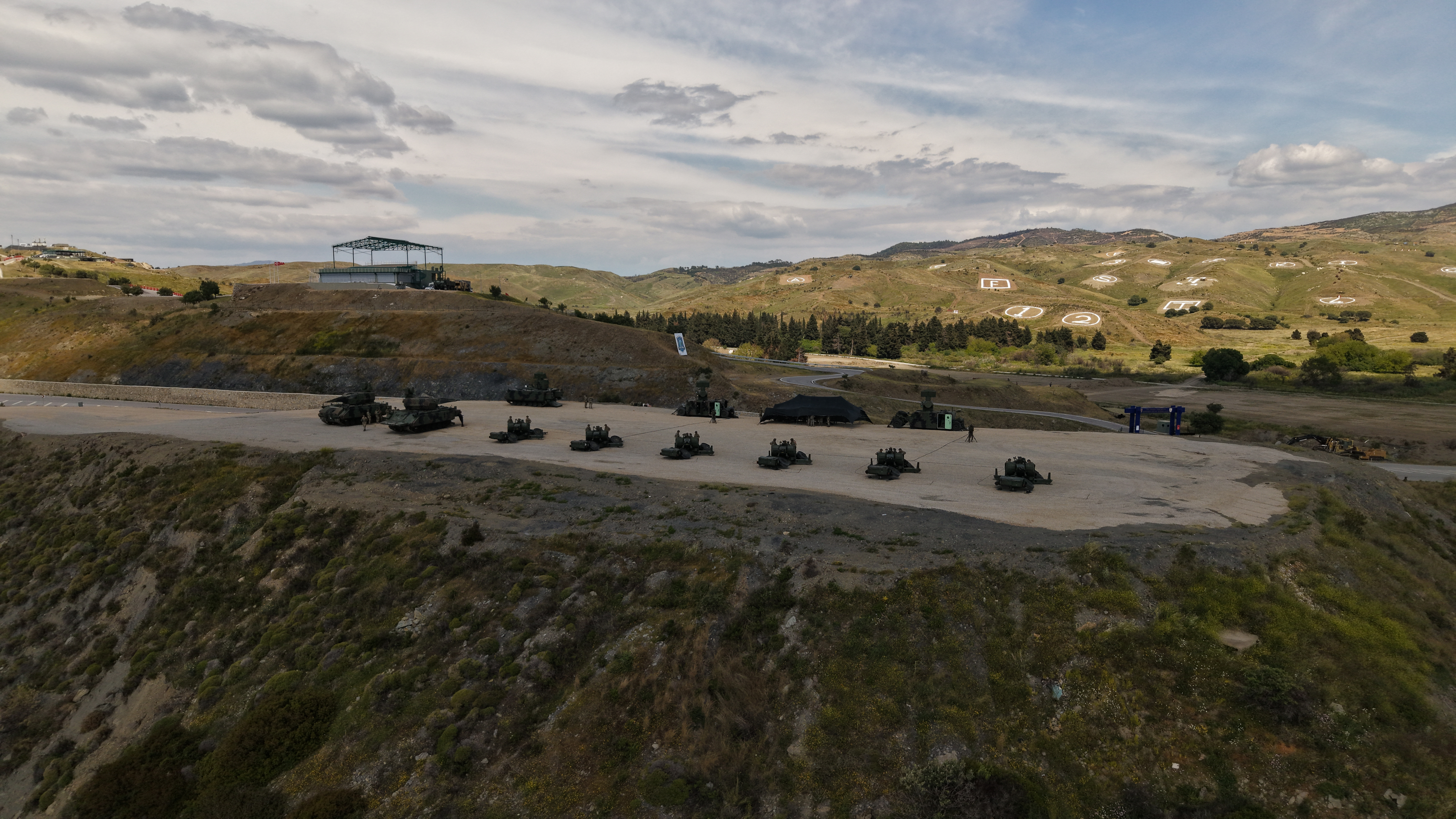
Several indigenous solutions provided by the Turkish defence industry used in the exercise, including GÖKBEY Utility Helicopter, M60T1 Main Battle Tank, 155 mm Panter and 105 mm Boran howitzers, TRLG-230 Laser Guided Missile, SUNGUR MANPADS (Man-Portable Air-Defence Systems), HİSAR-A and HİSAR-O Air & Missile Defence Systems, KORKUT Self-Propelled Anti-Aircraft Gun (SPAAG), 35 mm Modern Towed Anti-Aircraft Gun, KALKAN Air Defence Radar, İHTAR Counter-UAV System, KAPLAN-10 Armored Anti-Tank Vehicle (ZTA-UC), KARAOK Short-Range Anti-Tank Weapon System, OMTAS Medium-Range Anti-Tank Missile, UMTAS Long-Range Anti-Tank Missile, Improved Armored Personnel Carrier, KARAYEL Rigid-Hulled Inflatable Boat (RHIB), Mechanical Mine Clearing Vehicle (MEMATT), Vehicle-Mounted Mine/IED Detection System (AMMTS), robotic arm equipped KİRPİ EOD vehicle, ALKAR 120 mm Mortar System, GEZGİN Satellite Terminal, Fire Support Systems, TARAS-II Radio link System, EJDERHA IED Detection and Neutralization System, Armored Fuel Tanker, CBRN Decontamination Drone, ASLAN Unmanned Ground Vehicle (UGV), paramotor, Dragoneye-2 Electro-Optic Sensor System, DORUK-2 Handheld Electro-Optical Sensor Systems, Urban Search and Rescue Vehicle, Explosive Ordnance Detection and Disposal Vehicle, Mobile Field Units, TEBER and MAM-T UAV munitions, MİLKAR-A Electronic Attack (EA) System, ALKA Laser Weapon System, TOLGA Short-Range Air Defence System, GÖKBERK Laser Weapon System and various types of Kamikaze Drones.
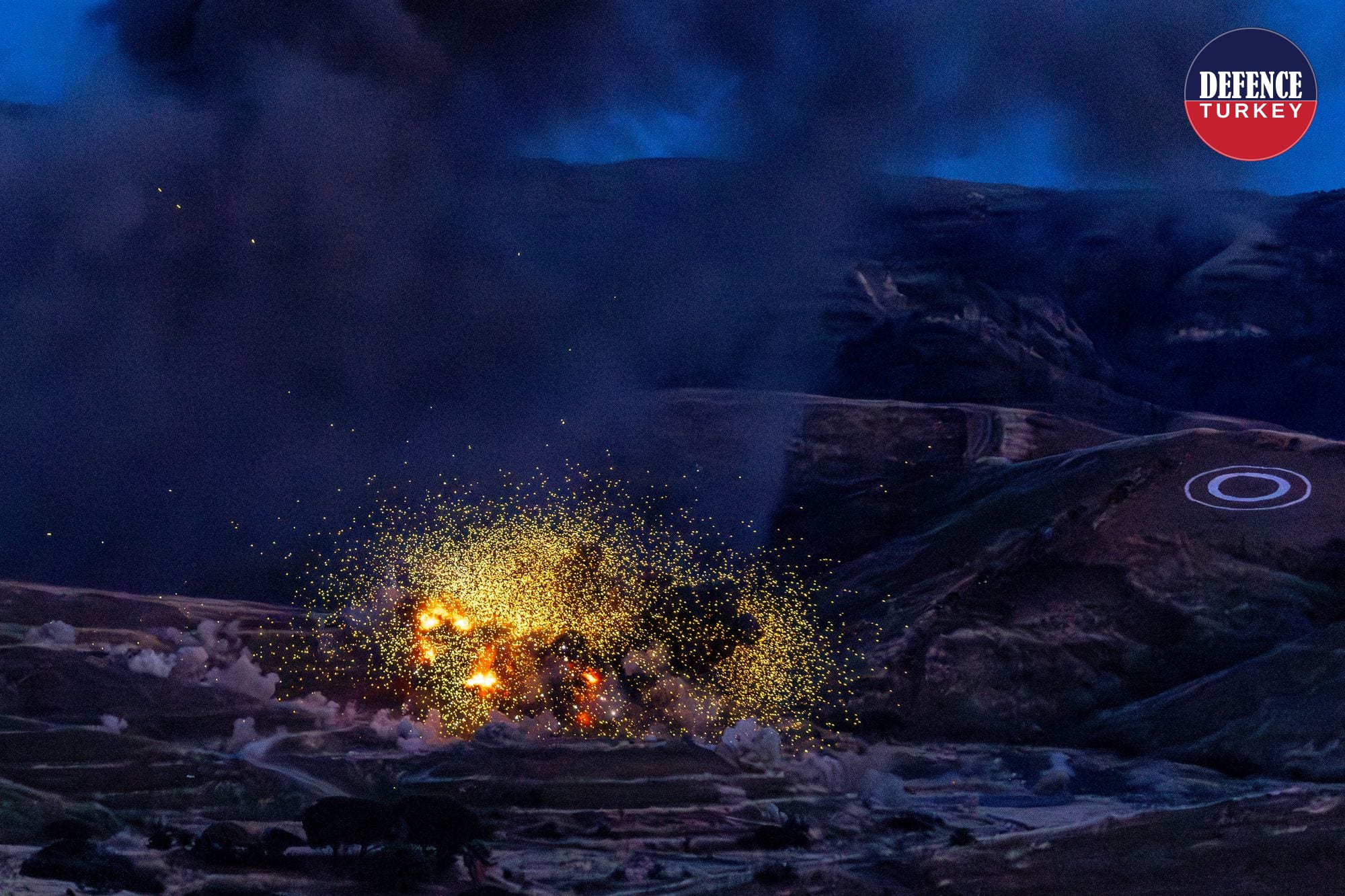
The Night Phase of EFES-2026 Exercise
The night phase of the EFES-2026 Exercise commenced with the neutralization of the opposing force’s mobile communications center equipped with electronic warfare systems through the coordinated employment of swarm drones. Within the scenario, the hostile mobile communications node was first detected by a Bayraktar AKINCI Armed UAV equipped with the ASELSAN ANTIDOT Electronic Warfare Pod alongside other supporting systems. Following target detection, multiple kamikaze swarm drones approached the target simultaneously from different altitudes and directions before striking the designated objective. The attack package included domestically developed SKYDAGGER, SİVRİSİNEK, KALKAN and K-2 swarm drones. Subsequently, a second wave of swarm drones, including STM-produced KARGU loitering munitions operating in swarm configuration, was employed to neutralize surviving elements and mobile systems within the target area. Battle damage assessment activities were conducted through data transferred to the KOCATEPE Command and Control System.
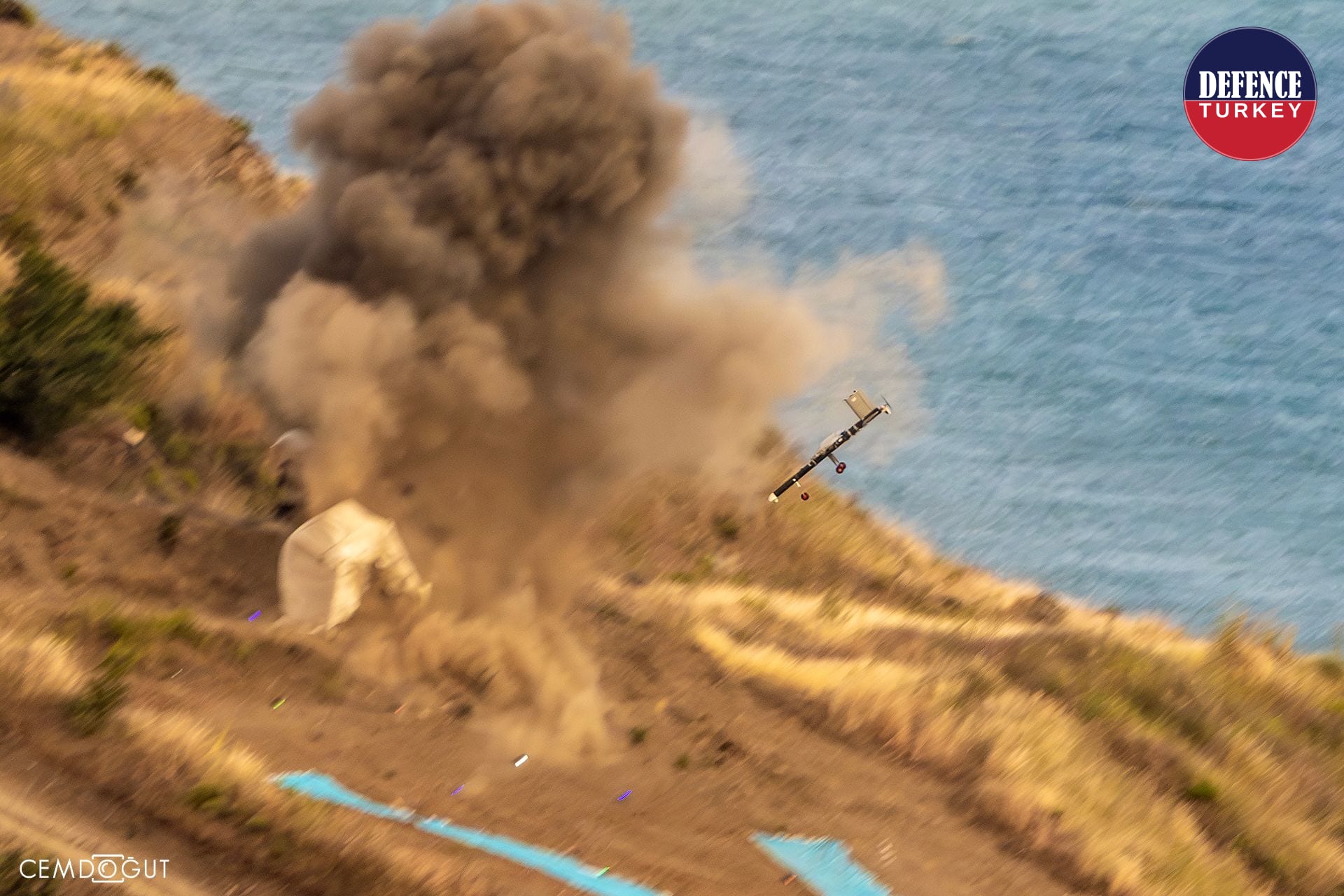
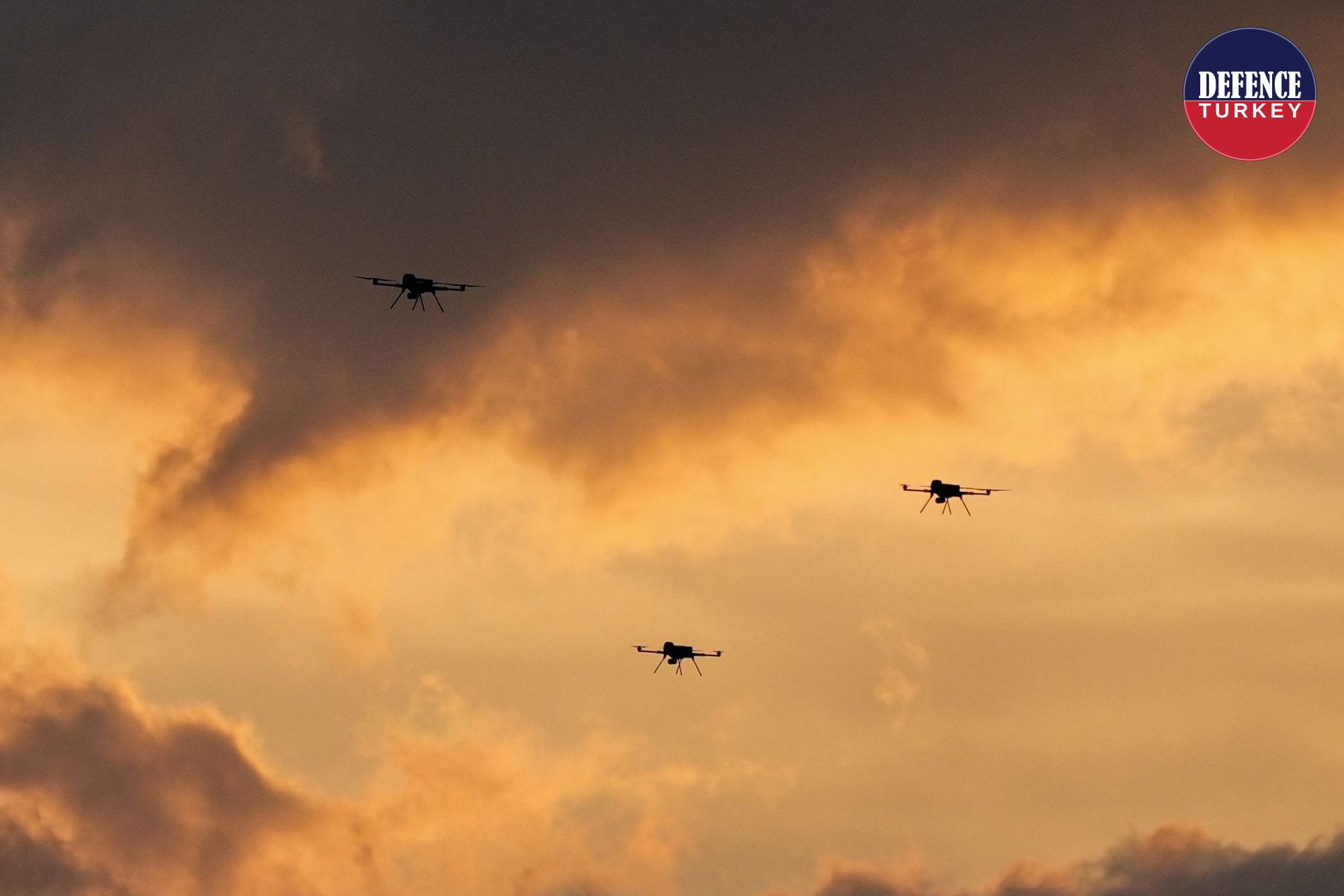
Following the suppression of the opposing force’s electronic warfare infrastructure, Special Operations Forces infiltration activities were initiated under the coordination of the Turkish Special Forces Command. Within the scenario, Combined Special Forces Teams infiltrated from the sea using fast boats. The operation was conducted together with personnel from Azerbaijan, Libya, Mongolia and Romania. During the infiltration phase, hostile air and coastal surveillance radars were blinded through the use of ASELSAN’s MILKAR-2A2 Radar Electronic Attack System.
While the radar suppression activities continued, Combined Special Forces sniper teams engaged hostile elements with KSR-50 anti-materiel sniper rifles. The teams conducting maritime infiltration silenced their boat engines at a certain distance from the shore in order to avoid acoustic detection before dispatching reconnaissance personnel toward the beachhead. Following the successful securing of the coastline, the infiltrating units concealed their boats and advanced inland toward their assigned targets. In the meantime, the designated radar installation was subsequently destroyed as part of the scenario. Shortly afterwards, the hostile coastal surveillance radar positioned near the amphibious landing zone was also neutralized.
As part of the Advance Force Operation (AFO), Combined Underwater Assault (SAT) and Underwater Defence (SAS) Teams were deployed toward the landing beaches using ATAK boats and high-speed craft in order to clear the approach corridors designated for the amphibious assault. Reconnaissance operations were conducted in waters extending up to 10 meters in depth. During the operation, SAT teams carried out underwater reconnaissance activities between the wet sand line and shallow water zones while SAS teams searched for possible underwater obstacles and shallow-water mines between 5 and 10-meter depth lines. Mines and obstacles detected underwater were marked and subsequently destroyed using pre-positioned explosive charges.
Meanwhile, hostile mini and micro-UAV threats approaching friendly loading and embarkation zones were neutralized through the ASELSAN İHTAR Counter-UAV System, consisting of the ACAR 4030 UAV Detection Radar and the KANGAL Electronic Jamming System. During the same phase, a hostile kamikaze drone target was engaged and neutralized by the MKE-developed TOLGA Close-in Air Defence System. Later in the night phase, hostile air targets threatening friendly elements in the embarkation and loading zones were also engaged by air defence systems, including the KORKUT 35 mm Air Defence Weapon System.
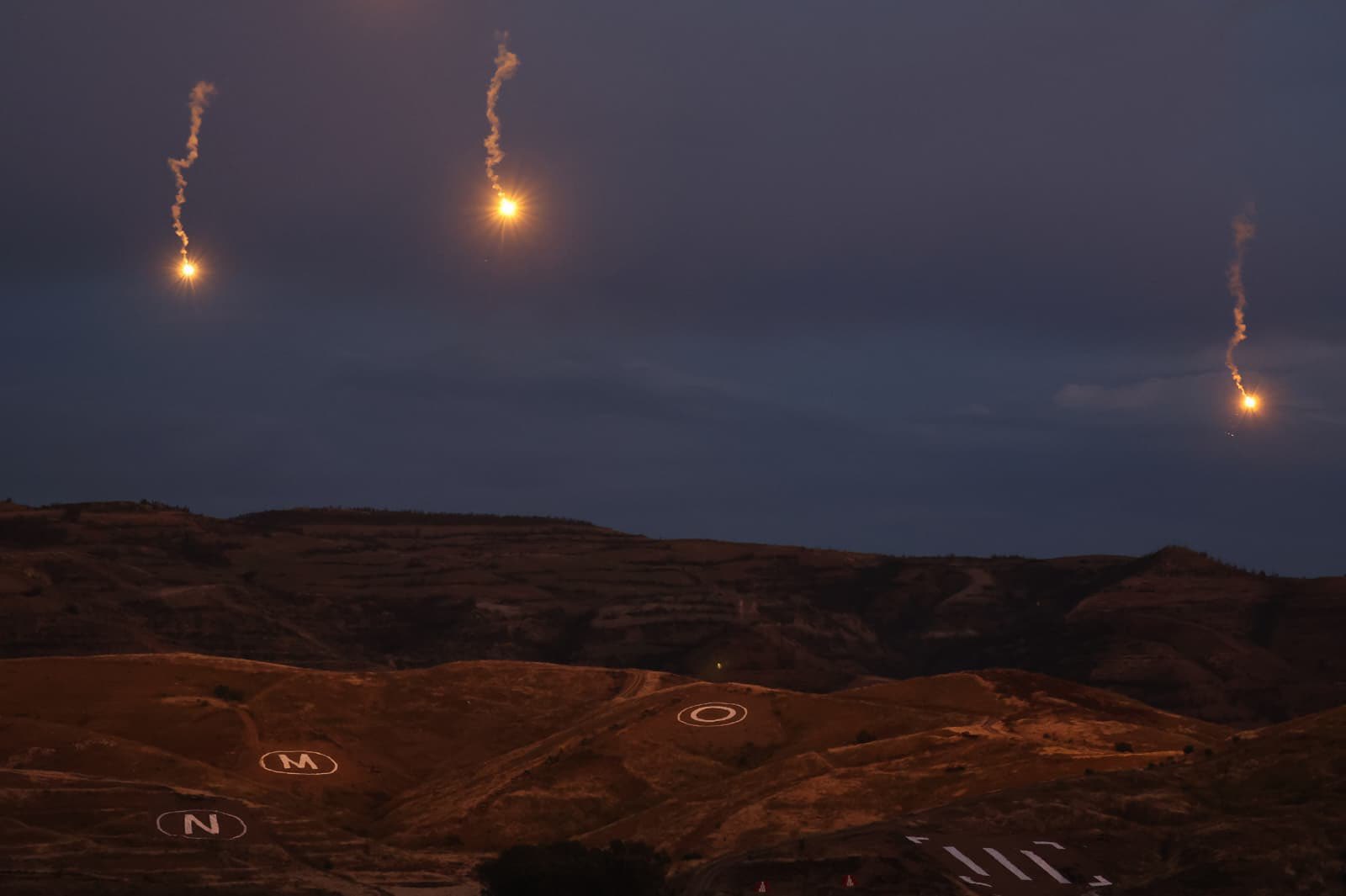
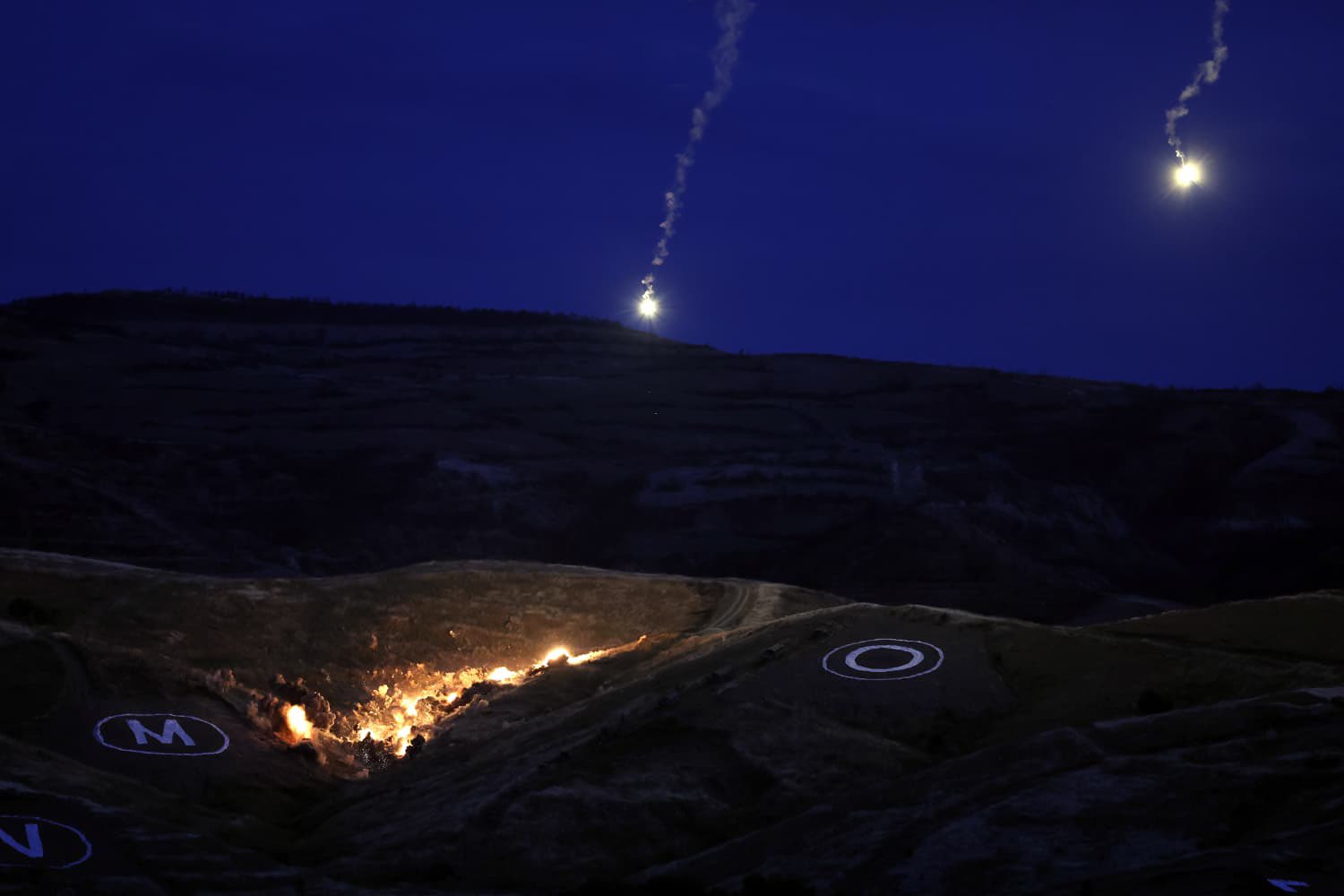
(Ministry of National Defence)
Intelligence reports indicated that a vessel carrying weapons and logistical supplies to the opposing force was operating in the area. Within the scope of the maritime interdiction operation, Combined Navy Special Operations Forces teams were deployed to seize the vessel. During the operation, AH-1W Super Cobra attack helicopters provided close air support and overwatch for the boarding teams, while naval elements, including the TCG KINALIADA and LNS ŞAFAK, supported the operation at sea. Following the successful boarding operation, the hostile supply vessel was seized and secured by the Special Operations Forces teams.
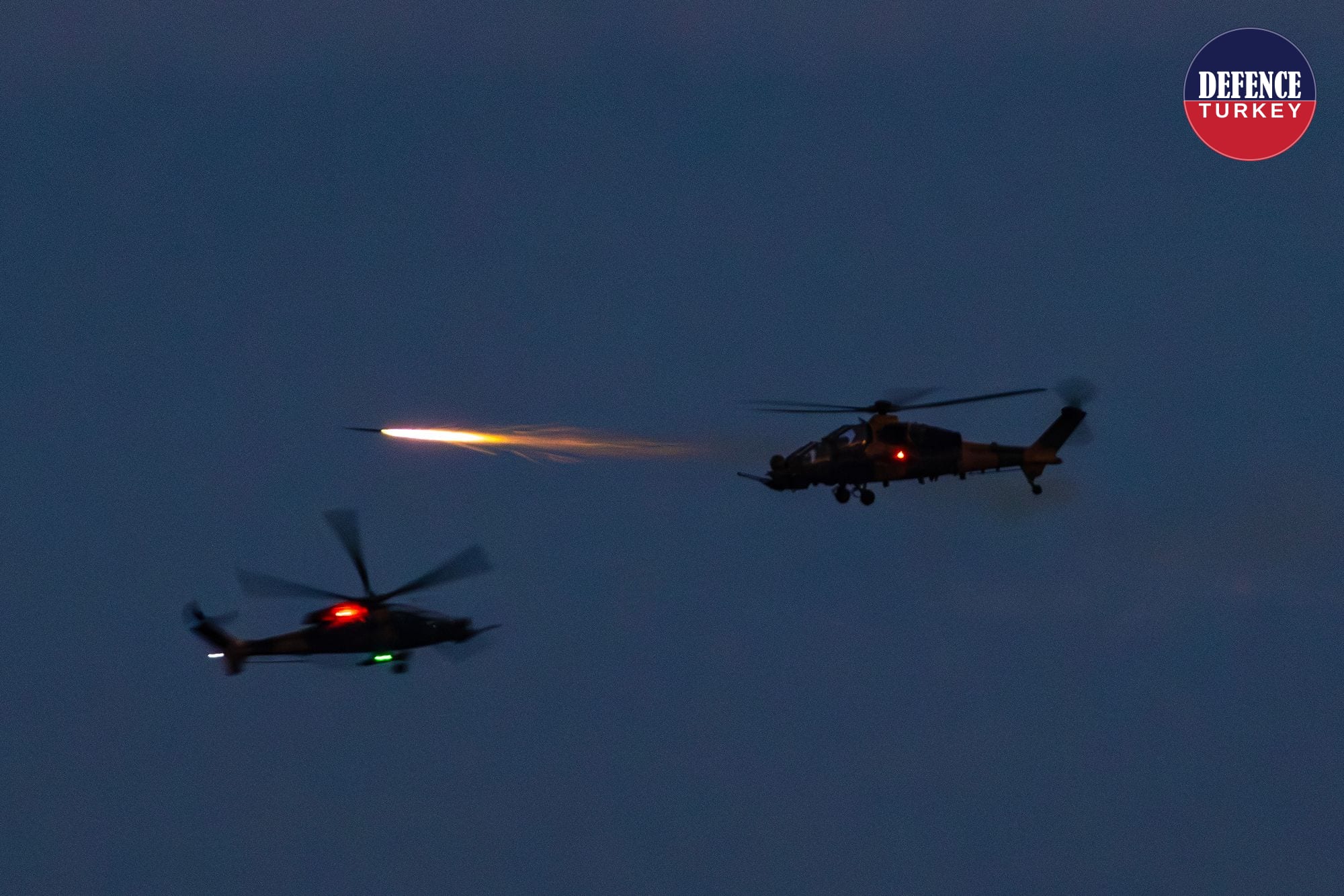
T129 ATAK helicopters firing Cirit missiles
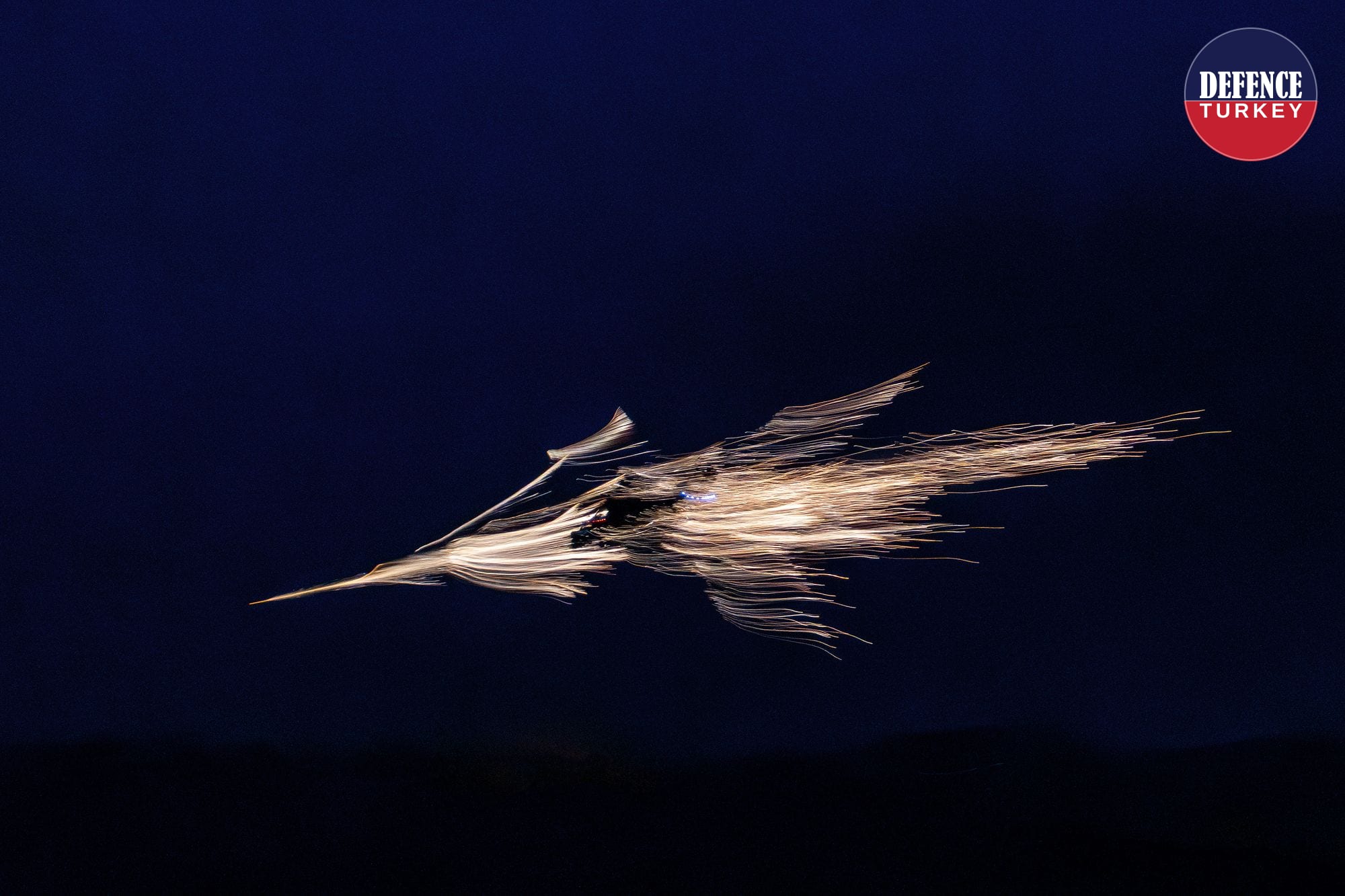
(photo credit Cem Doğut)
In preparation for the amphibious and air assault operations, coordinated preparatory fires were conducted through simultaneous employment of artillery, mortars and attack helicopters using time separation techniques. Within this framework, 155 mm self-propelled howitzers, 203 mm howitzers and 81 mm mortars delivered suppressive fires on designated targets while four T129 ATAK attack helicopters engaged hostile positions and convoy targets using 20 mm cannons and CİRİT laser-guided missiles. Hostile convoy vehicles bringing reinforcements were destroyed by ATAK helicopters, while mortar fire missions were executed to suppress possible enemy threats against friendly helicopter elements. These coordinated fire support activities were conducted together with personnel from Azerbaijan, Libya and Somalia.
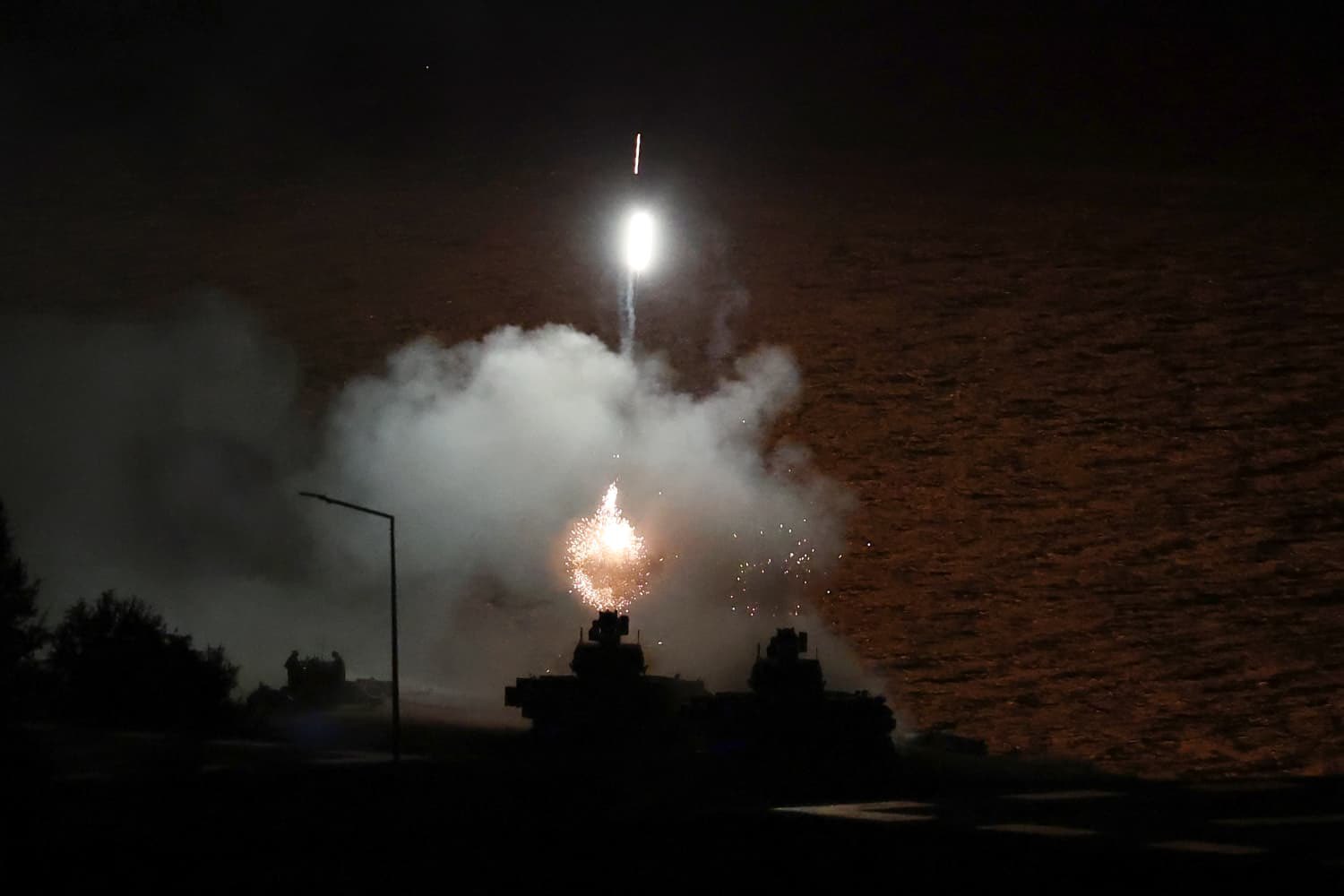
KORKUT 35mm SPAAG firing (Ministry of National Defence)
Hostile command-and-control and critical infrastructure targets were engaged by two Turkish Air Force (TurAF) F-16 fighter aircraft. Prior to the strike missions, opposing force radar and air surveillance systems were suppressed through the coordinated employment of ASELSAN-produced MILKED-3A3 and MILKED-3T4 electronic support and electronic attack systems. Following the suppression of hostile electronic warfare and radar assets, the F-16s successfully struck designated enemy command centers and critical targets within the operational area.
Simultaneously, an amphibious deception operation was launched by tank landing ships positioned offshore in order to conceal the actual landing area and disrupt the opposing force’s defensive layout ahead of the amphibious assault phase. The night phase of EFES-2026 continued with preparatory fires, amphibious reconnaissance operations, air assault activities, ship-to-shore movement operations and the execution of Combat Search and Rescue (CSAR) missions by Special Operations Forces units.
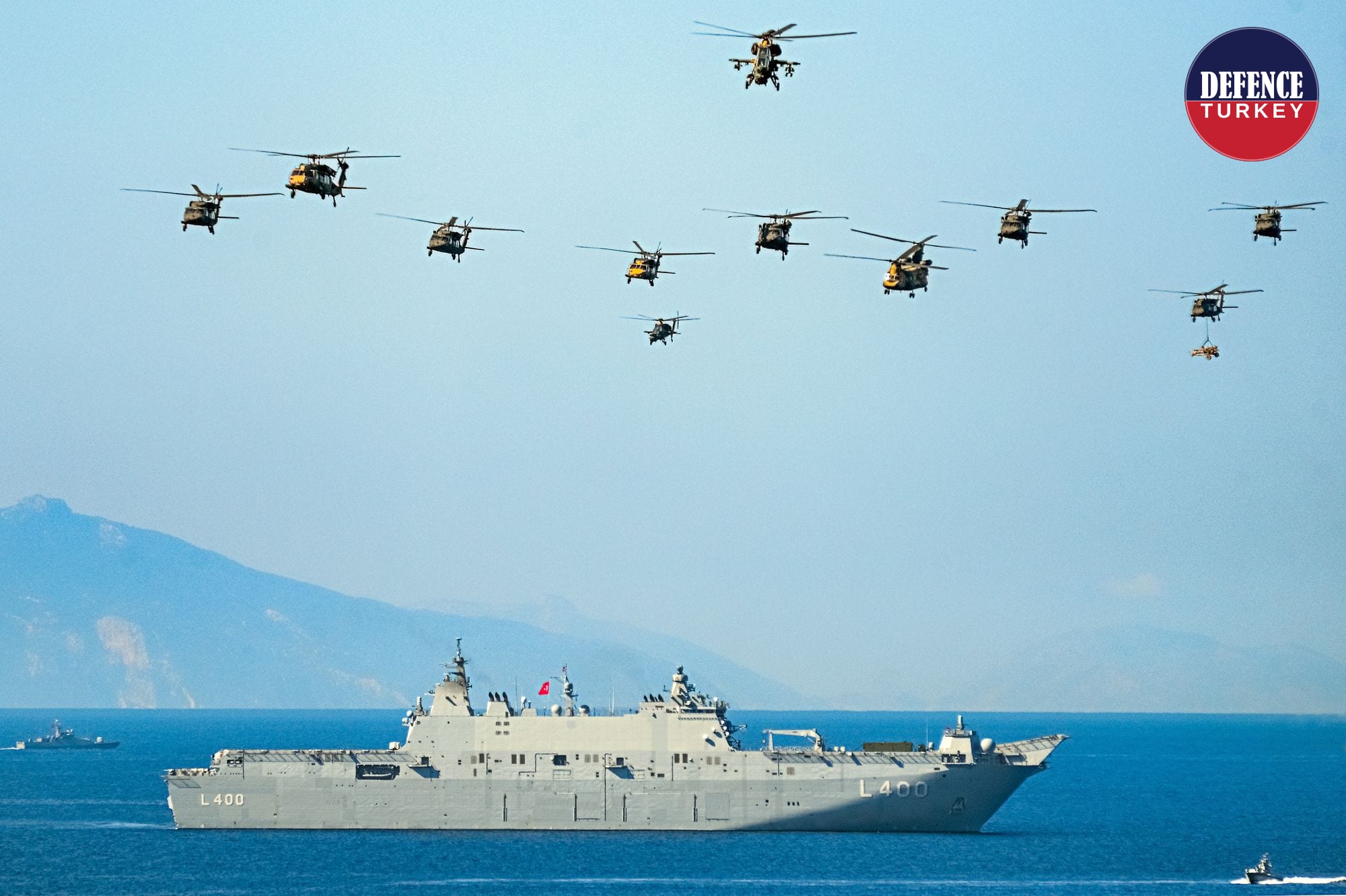
Air Assault Operation (photo credit Cem Devrim Yaylalı)
The Day Phase of EFES-2026 Exercise
The day phase of the EFES-2026 Exercise continued with the execution of large-scale amphibious and air assault operations supported by naval gunfire, close air support missions, electronic warfare activities and integrated unmanned systems. According to the scenario, mine and obstacle clearance operations conducted during the night phase enabled the first wave of amphibious units to secure the landing beaches, while operations aimed at capturing terrain dominating the coastline continued throughout the day. Simultaneously, units inserted during the nighttime air assault operation maintained the expansion of the airhead beyond the ridgelines outside the observers’ field of view.
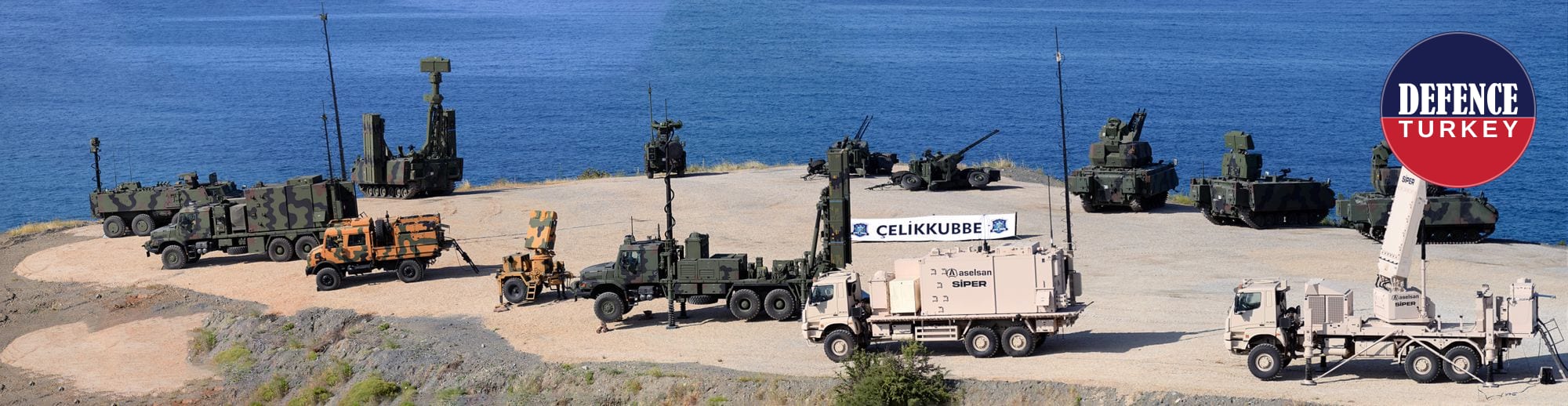
At the beginning of the day phase, the layered Çelik Kubbe (Steel Dome) Air Defence System was introduced as part of the ongoing operational scenario. Within the exercise, hostile air threats approaching friendly forces positioned on the mainland were engaged through an integrated air defence architecture consisting of the TOLGA Close-in Air Defence System, KORKUT 35mm SPAAG, modernized towed anti-aircraft guns, pedestal-mounted Zıpkın/Stinger systems, SUNGUR MANPADS, HİSAR-A and HİSAR-O air defence missile systems, as well as the long-range SİPER Air and Missile Defence System.
One of the highlights of the day phase was the operational deployment of the TB-3 Armed UAV from the TCG ANADOLU Landing Helicopter Dock (LHD). Within the scenario, the Baykar-produced TB-3 Armed UAV conducted take-off operations from TCG ANADOLU in support of the amphibious and air assault operations that had commenced during the night phase. Entering service in 2026, the TB-3 attracted attention with its capability to conduct autonomous take-off and landing operations on short-deck naval platforms. The exercise also highlighted the operational capabilities of TCG ANADOLU, the Turkish Navy’s largest warship and first multi-purpose amphibious assault ship, capable of simultaneously supporting amphibious and air operations with helicopters, Armed UAVs, landing craft, armored vehicles and marine infantry elements onboard.
As part of the naval fire support operations, the ADA Class corvettes TCG Kınalıada and TCG Heybeliada conducted shore bombardment missions against hostile fire positions positioned on the “Orange-3” beach. The MİLGEM corvettes employed their 76 mm naval guns to execute adjustment and fire-for-effect missions in support of the amphibious maneuver elements approaching the coastline. During the scenario, the domestically developed TRNAV navigation system was also demonstrated in order to highlight resilient navigation capability against electronic jamming and spoofing threats.
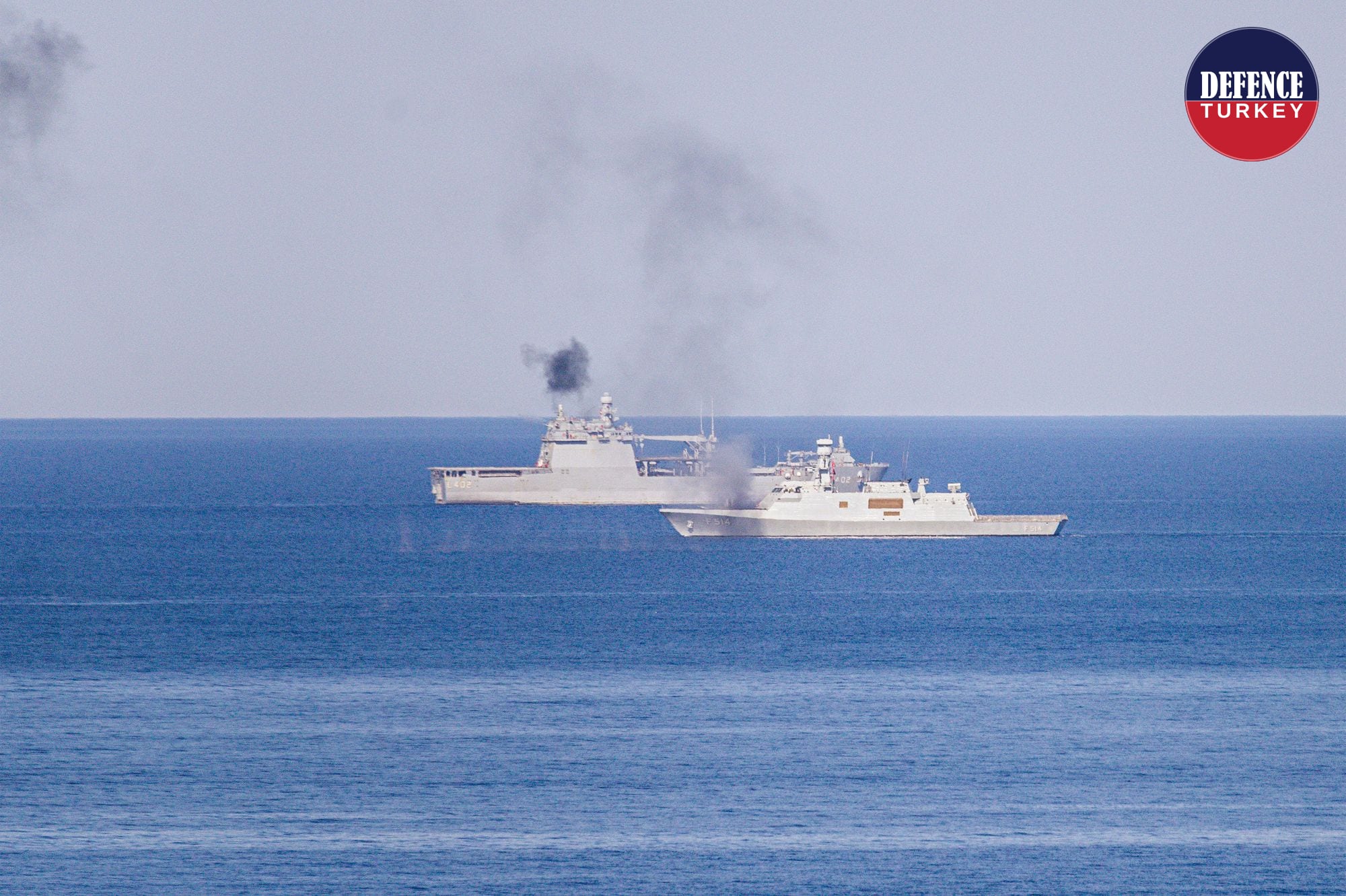
TCG Kınalıada firing 76 mm main battery (photo credit Cem Devrim Yaylalı)
Preparatory fires supporting the amphibious operation were carried out through coordinated artillery and mortar engagements using “Time on Target” techniques. Hostile command posts were simultaneously engaged by 155 mm FIRTINA-2 self-propelled howitzers, 155 mm towed artillery systems, 81 mm mortars and the 120 mm ALKAR mortar system. At the same time, electronic attack activities were conducted against hostile communications infrastructure through the employment of ASELSAN-produced MİLKAR-3A3 and Meteksan-produced MİLKAR-3T4 MERT electronic warfare systems. In addition, the TUSAŞ-produced AKSUNGUR UAV destroyed the designated hostile target using a MAM-T smart munition. According to the scenario, hostile command-and-control elements were successfully neutralized following the coordinated fire missions.
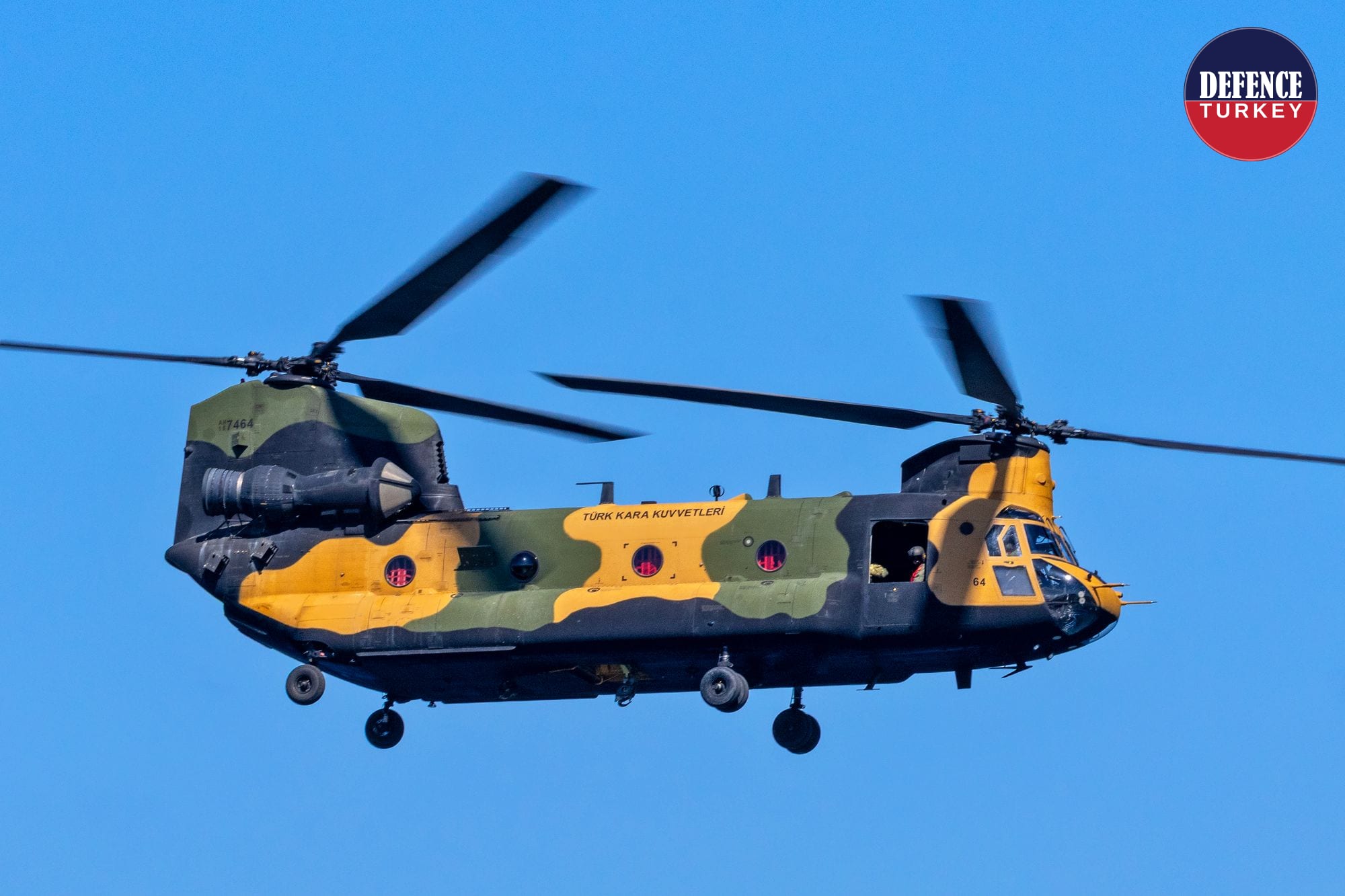
The Air Assault Operation (AAO), which had started during the night phase, continued with the execution of the 3rd Lift operation. Escorted by four T129 ATAK attack helicopters, the air assault package consisted of Cougar AS-532, Sikorsky S-70 and CH-47 Chinook helicopters transporting commando units toward the landing zone. Within the scope of the operation, one CH-47 helicopter transported an ammunition container as external cargo, while another CH-47 carried commando units equipped with motorcycles. A Sikorsky S-70 helicopter also airlifted a 105 mm BORAN lightweight howitzer as an underslung external load. The multinational operation was conducted under Türkiye’s coordination together with personnel from Albania, Bosnia and Herzegovina, Georgia, Kyrgyzstan, North Macedonia, Libya, Niger, Romania and Syria.
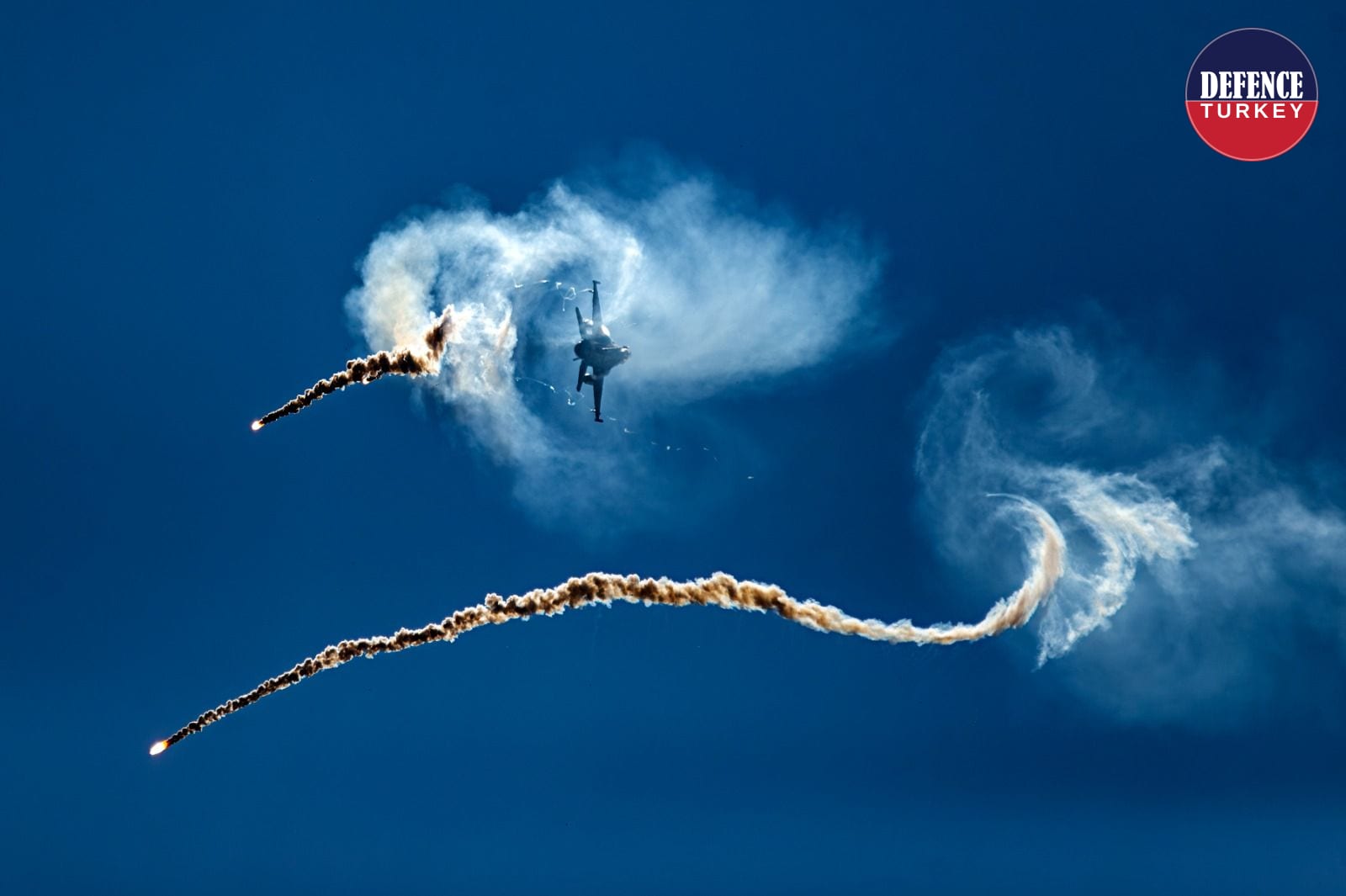
F-16 aircraft deployed flares while maneuvering to evade hostile air defence threats (photo credit Cem Devrim Yaylalı)
During the close air support phase of the exercise, two TurAF F-16 fighter aircraft carried out low-altitude strafing attacks with 20 mm M61 Vulcan Cannons against hostile elements. During the attack profiles, the aircraft deployed flares while maneuvering to evade hostile air defence threats before successfully completing the engagement in two attack runs.
Electronic warfare and sniper operations were also demonstrated during the day phase. Within the scenario, ASELSAN’s MİLKAR-2A2 electronic warfare system was employed to blind hostile artillery and mortar detection radars in order to prevent the detection of friendly fire support assets. Following the suppression of hostile radar systems, artillery fire missions successfully neutralized enemy mortar positions. In parallel, SAT sniper teams conducted precision engagements against designated hostile targets positioned within urban combat mock-ups using Barrett M82A1 anti-materiel rifles and Bora-12 sniper rifles.
As the amphibious assault progressed, second-wave landing units continued their maneuver operations inland under coordinated fire support. Hostile armored positions near the shoreline were engaged by amphibious corps elements using M-249 machine guns, RPG-7 and LAW anti-tank weapons. Red-colored glass targets located on the landing beaches were engaged with M-249 machine guns while barrel targets were destroyed through anti-tank rocket fire. Six ZAHA Marine Assault Vehicles also provided suppressive fire support during the maneuver of landing units.
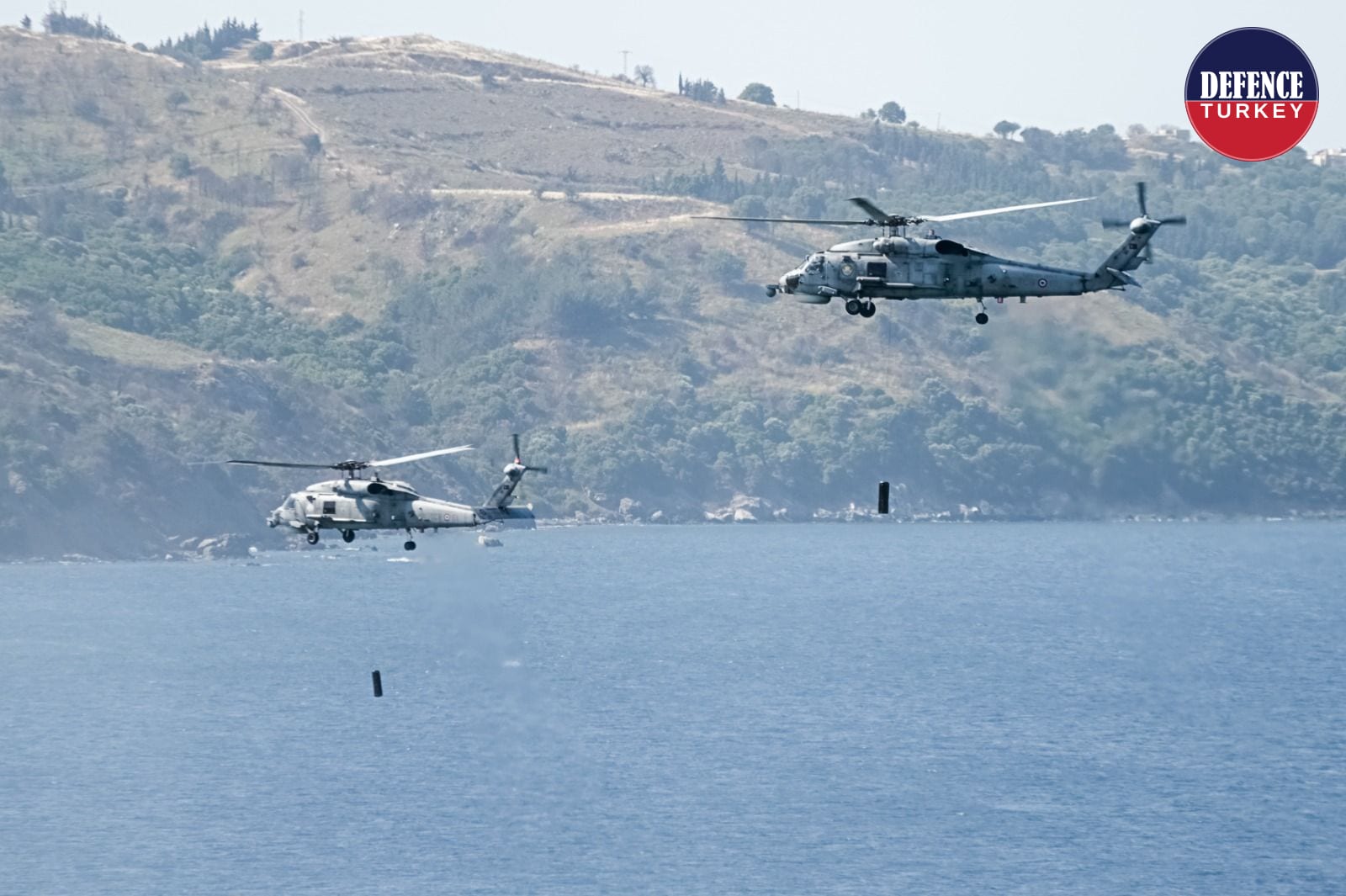
The dipping sonar operations conducted by three Seahawk ASW (photo credit Cem Devrim Yaylalı)
The exercise further demonstrated Anti-Submarine Warfare (ASW) operations in the amphibious target area. Within the scenario, a hostile submarine represented by the TCG PREVEZE submarine was detected through the coordinated efforts of three SH-70 Seahawk ASW (Anti-Submarine Warfare) helicopters operating from TCG ANADOLU together with a maritime patrol aircraft. Following dipping sonar operations conducted by the helicopters, dummy torpedo firing drills were carried out before the submarine surfaced in the designated operational area. The anti-submarine warfare scenario was conducted between the Taşkesen Rocks and the Doğanbey Cape region.
Combat engineering and obstacle breaching activities also formed an important part of the day phase. Engineer units demonstrated slope demolition and minefield breaching operations through the use of MAGAS-A and MAGAS-Y minefield breaching systems, MEMATT remote-controlled mine clearance vehicle, İMZA demolition systems and the AZMİM obstacle breaching system. In parallel, an Aydın-class Mine Hunter Vessel, autonomous underwater vehicles and mine clearance diver teams conducted mine identification and mine disposal operations off the landing beaches.
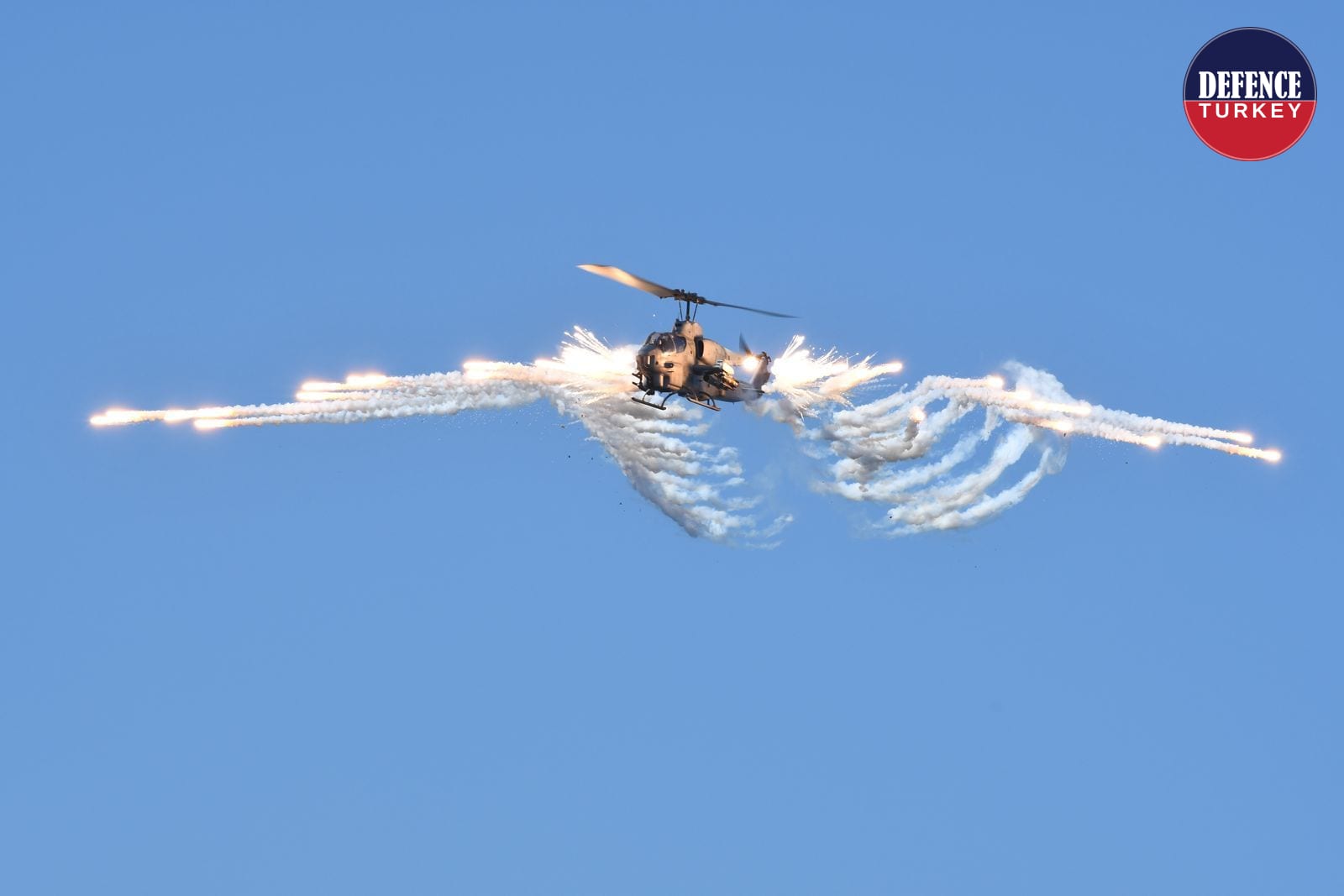
Meanwhile, attack helicopters, artillery and mortar units conducted integrated fire support operations against fortified hostile positions and enemy convoys. Within the coordinated fire missions, four T129 ATAK attack helicopters engaged hostile shelters, defensive fortifications and moving convoy targets using L-UMTAS anti-tank missiles, 2.75” rockets and 20 mm cannon fire while artillery batteries continued suppressive fires to secure the safe withdrawal of the helicopters from the target area. In another demonstration, two AH-1W Super Cobra helicopters from the Turkish Naval Air Command engaged armored targets using AGM-114 Hellfire missiles and 20 mm cannon fire.
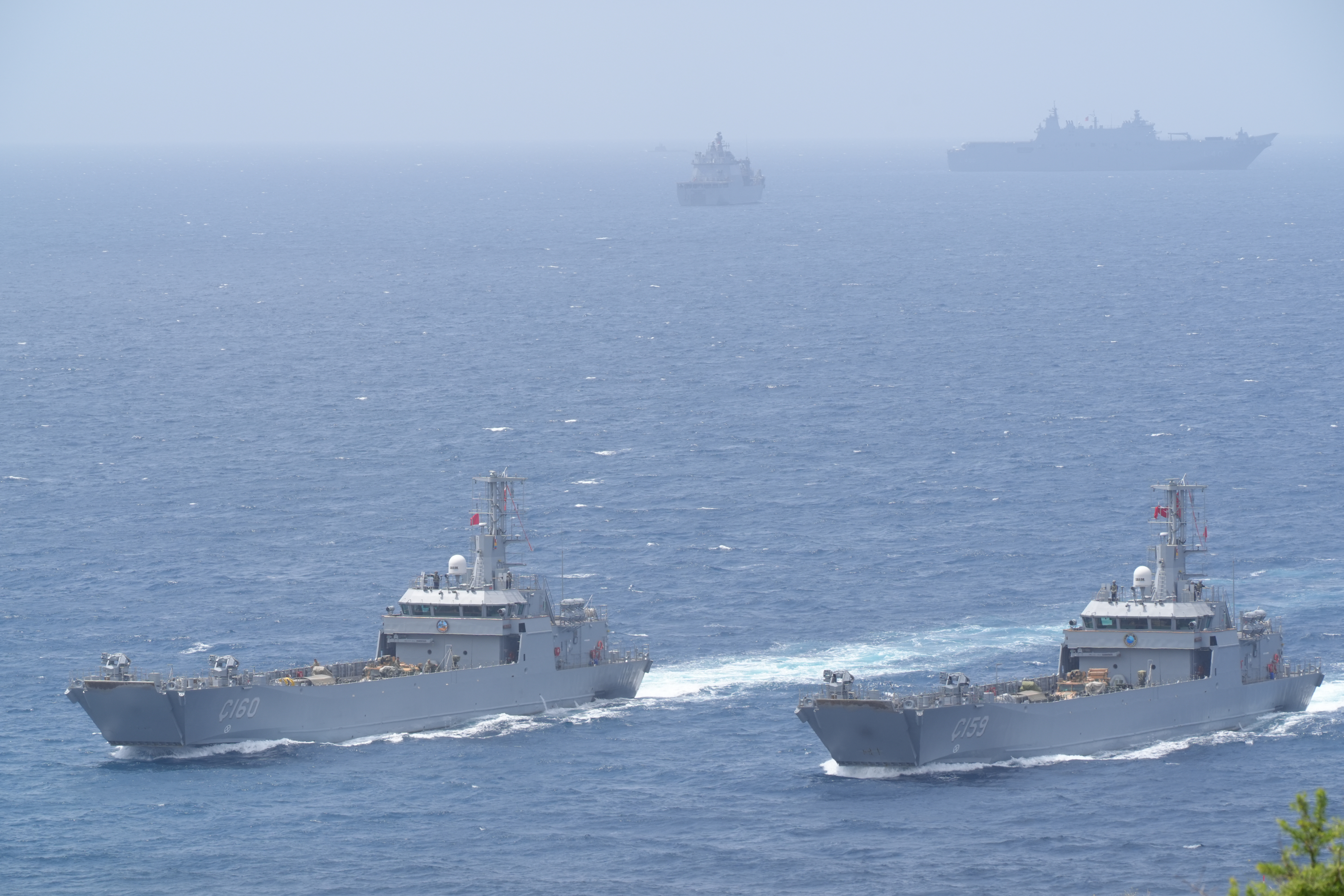
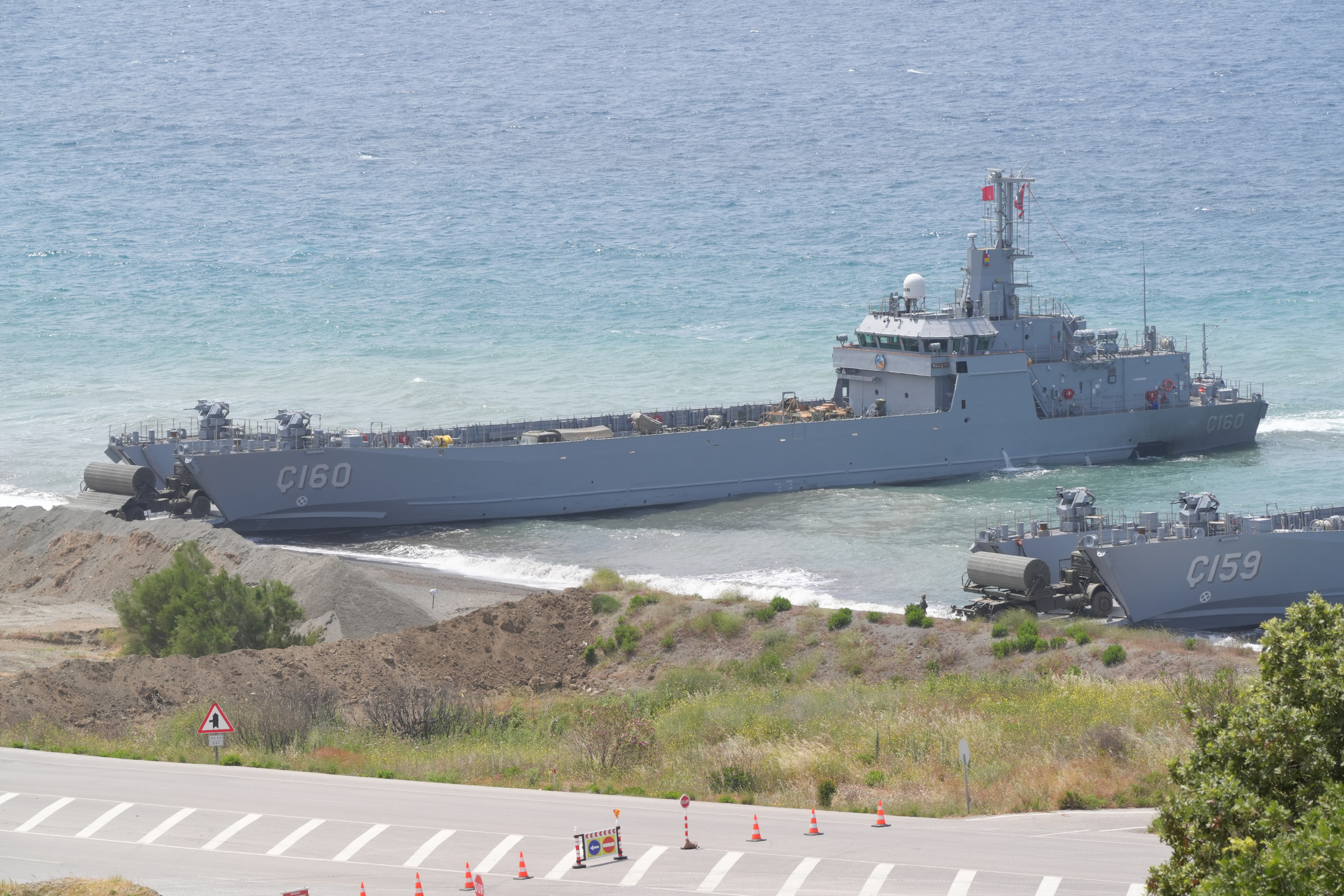
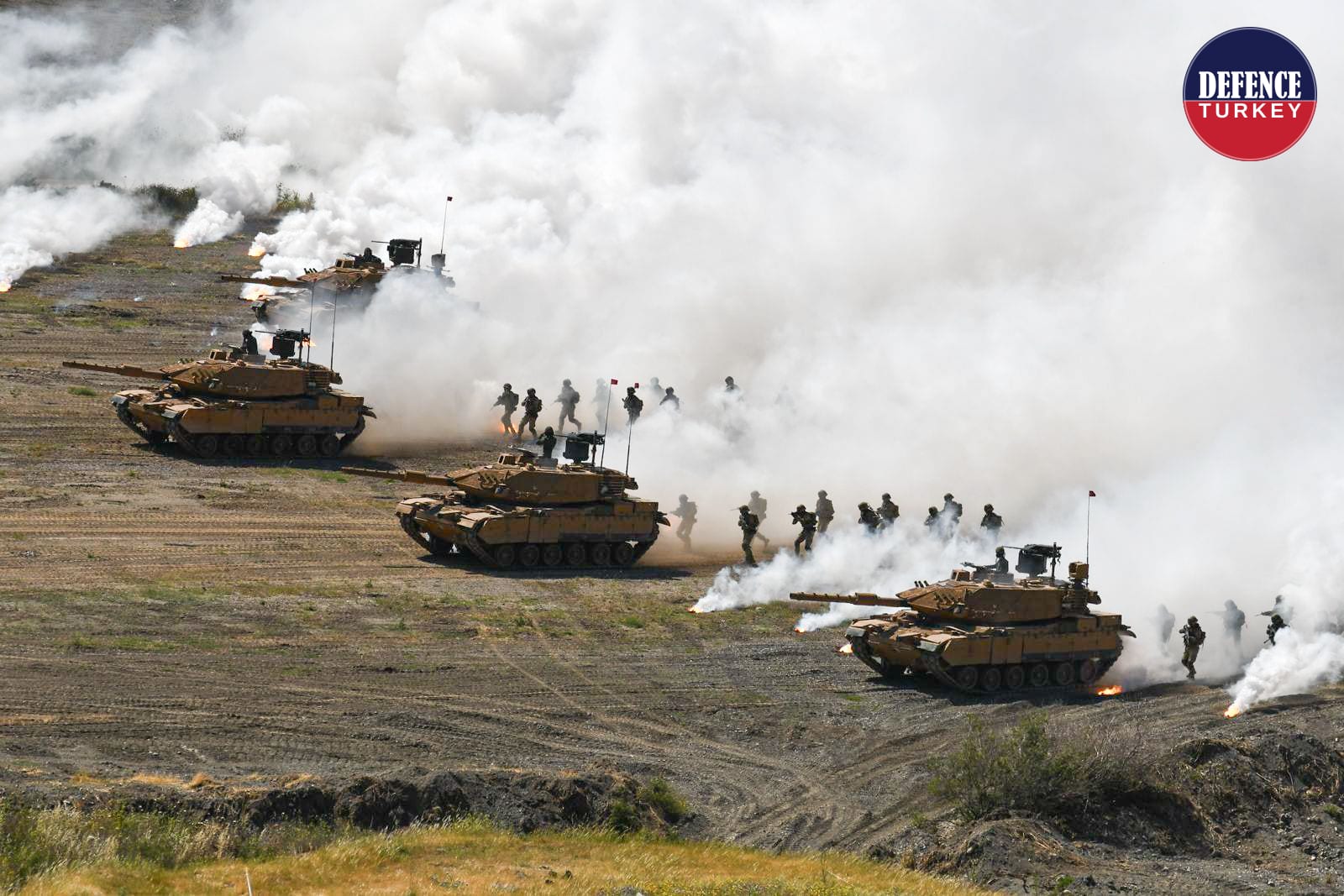
The later stages of the exercise focused on the maneuver of second and third-wave amphibious landing units. LCT (Landing Craft Tank) vessels deployed M60T1 Main Battle Tanks and Modernized ACV-15 Armored Vehicles (with 25 mm NEFER turrets) onto the beaches. Thirty new-generation Karayel assault boats participated in amphibious maneuver operations together with amphibious marine infantry units conducting ship-to-objective maneuvers from TCG ANADOLU, TCG BAYRAKTAR and TCG SANCAKTAR.
Engineer units subsequently advanced toward urban areas using AMMTS Vehicle-Mounted Mine/IED Detection System together with robotic arm-equipped KİRPİ EOD vehicles in order to establish secure lanes for advancing units. Urban warfare operations were also demonstrated during the exercise. Within the scenario, amphibious infantry units conducted room-clearing and close-quarters combat drills supported by armored vehicles and unmanned ground vehicles, including the ASLAN, BARKAN and PALEM UGVs. In addition, amphibious infantry units provided direct fire support against hostile positions using KARAOK anti-tank missile systems and MK-19 automatic grenade launchers.
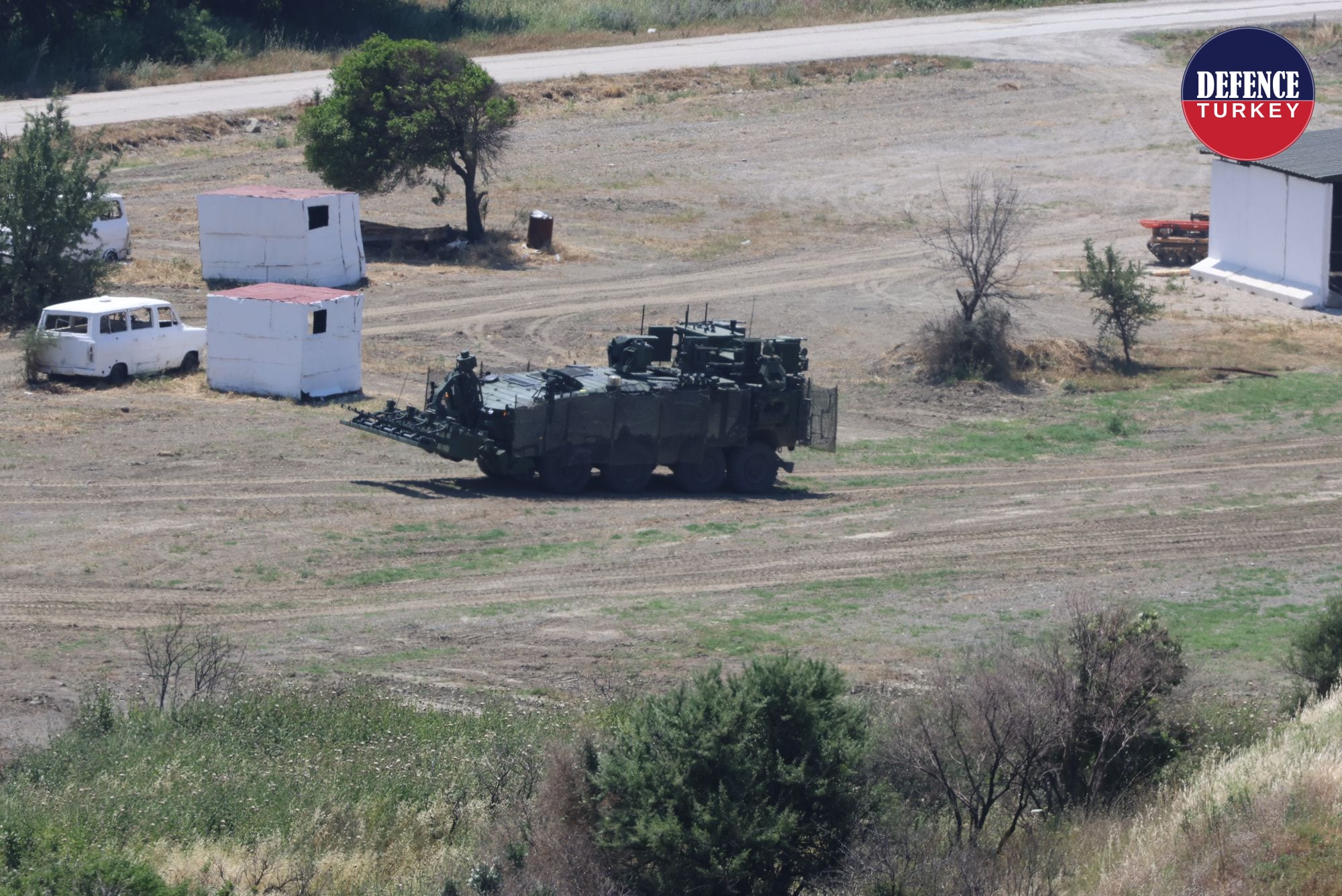
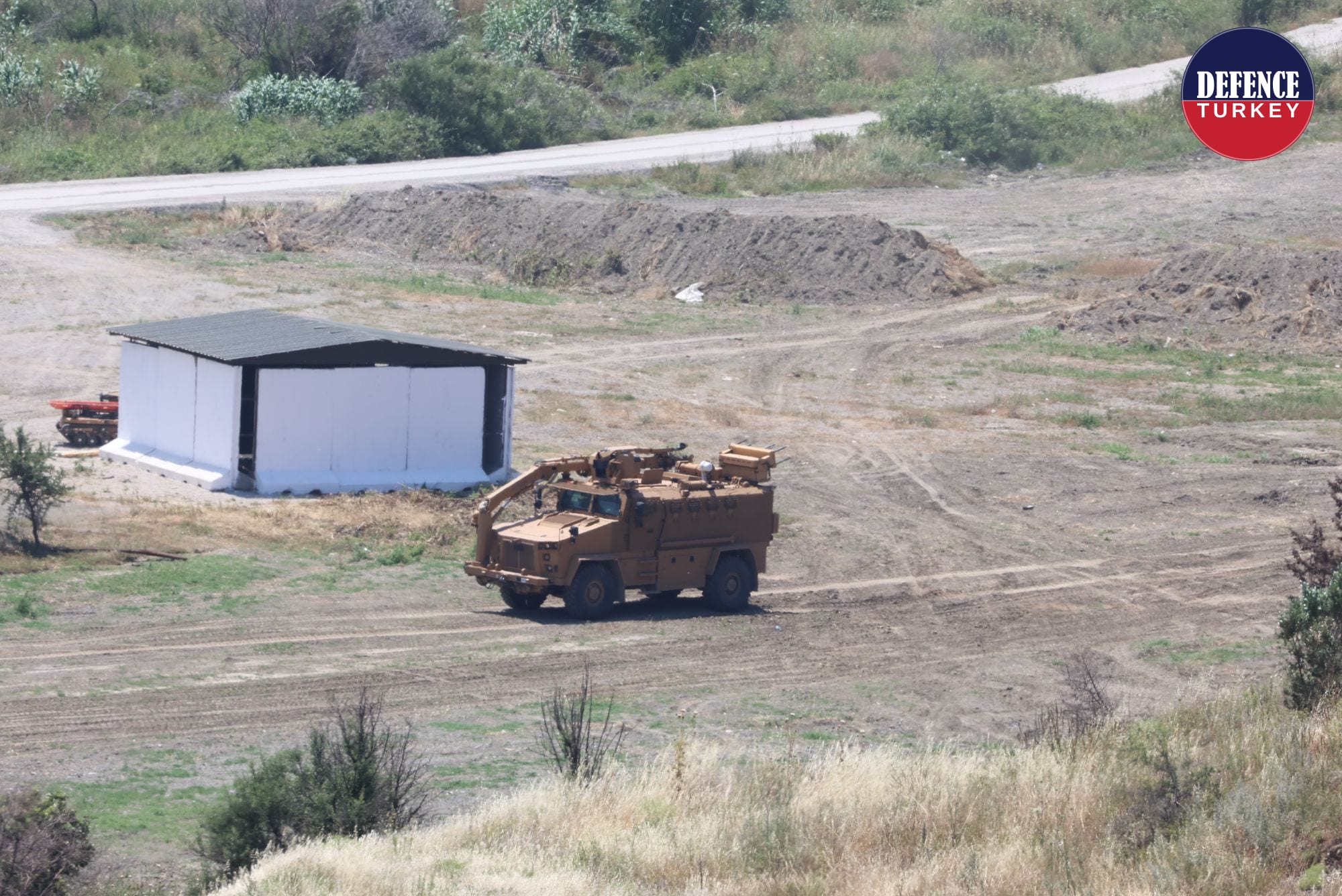
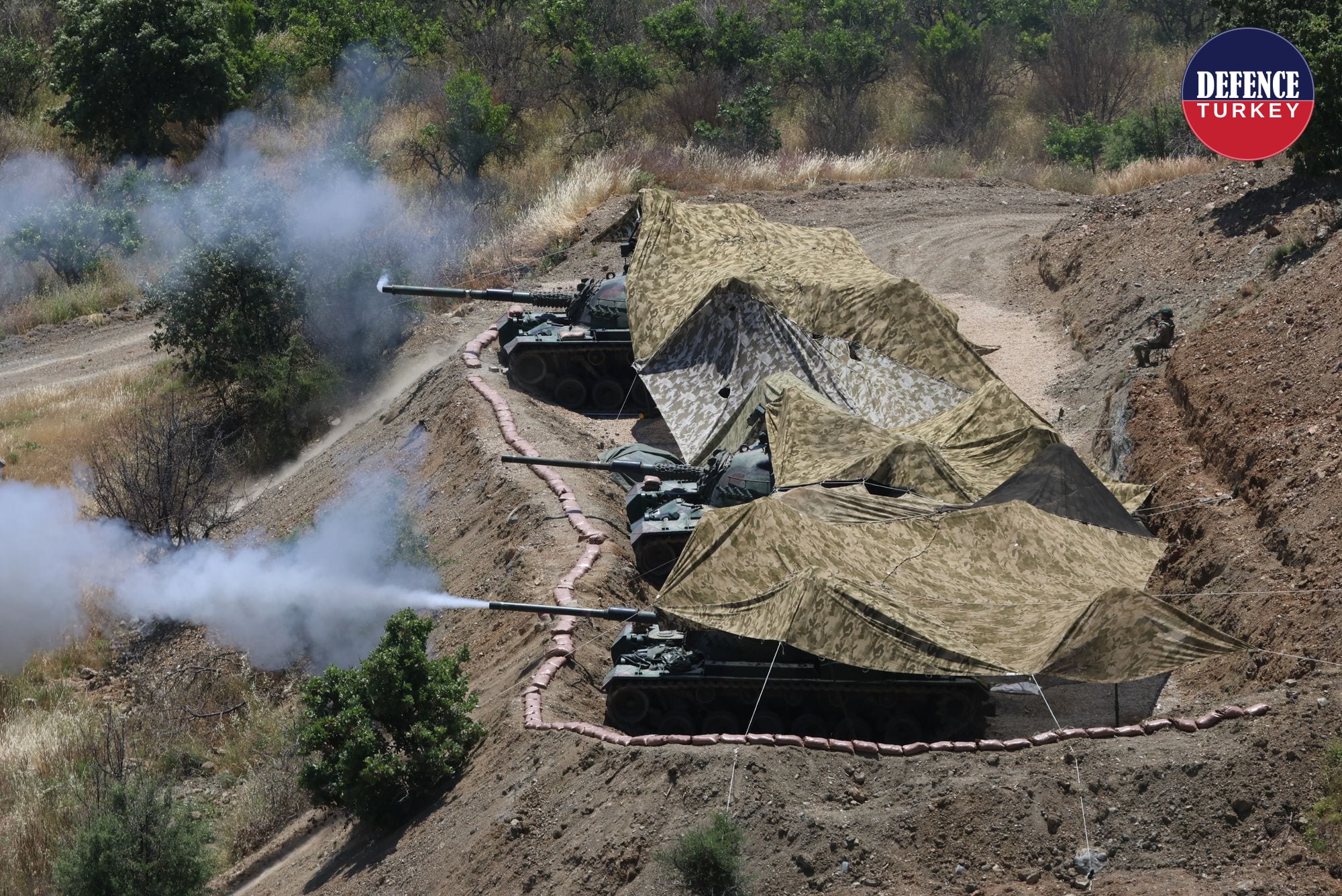
Toward the end of the exercise, hostile reserve forces attempting to reinforce the coastal defence line were targeted through a combination of anti-tank missile attacks and deep-strike air operations. Armored Anti-Tank Vehicles (ZTA-UC) engaged hostile armored targets using both ROKETSAN-produced CİRİT laser-guided missiles and L-UMTAS anti-tank missiles. Meanwhile, Turkish Air Force F-16 fighter aircraft carried out precision strike missions using HGK-84 precision-guided munitions against designated targets and bridge objectives in order to disrupt hostile logistics and reinforcement routes. During this phase, 25 mm NEFER-equipped Armored Combat Vehicles engaged convoy targets with 25 mm auto-cannon fire while M60T1 and M48A5T2 tank platoons destroyed hostile anti-tank positions and armored targets using 120 mm and 105 mm tank guns.
The Distinguished Observer Day activities of the EFES-2026 Combined Joint Live-Fire Exercise concluded with a demonstration flight by the Turkish Stars aerobatic team, followed by parachute jumps conducted by Combined Special Forces personnel. During the final demonstration, 52 Special Forces personnel jumped from 9,500 feet, opening the flags of Türkiye and the 49 participating countries. The EFES-2024 Combined Joint Live-Fire Exercise ended with the passage of Turkish Navy vessels that attended the drill and the salute of President ERDOĞAN and military officials.